

Nigeria's National Grid Faces Chronic Collapse, Affecting Power Supply and Economic Growth

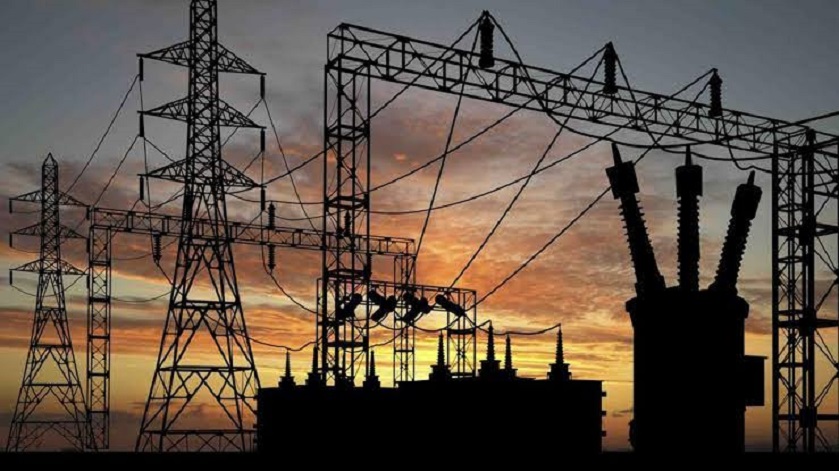
Nigeria's national grid system has experienced multiple collapses, with the most recent incident occurring on a Tuesday, marking the third collapse in less than a month. The Federal Government and stakeholders in the energy sector have been unable to resolve the challenges, resulting in erratic power supply across the country.
The collapse of the grid has led to widespread power outages, forcing Nigerians to rely on alternative sources like solar power. Despite investments in the power sector, the grid's instability persists, impacting industries, businesses, and citizens.
The Transmission Company of Nigeria (TCN) attributes the collapses to voltage disturbances originating from the Gomb Transmission Substation. The inadequate power generation capacity, estimated at 4,000-5,000MW against a requirement of 30,000MW, further exacerbates the situation.
The government's privatization of power generation and distribution companies has not yielded the desired results, with the country's power generation falling short of its potential. Addressing the power crisis in Nigeria requires a holistic approach, significant investments in infrastructure, and sustained efforts to stabilize the national grid.
Plus234Feed summary based on reporting from This Day. Read the original report below.
Read full article
Continue on This Day
Get the week in one email
Top stories, NPFL results, the naira — every Friday morning. Free, one email a week.
Related Stories
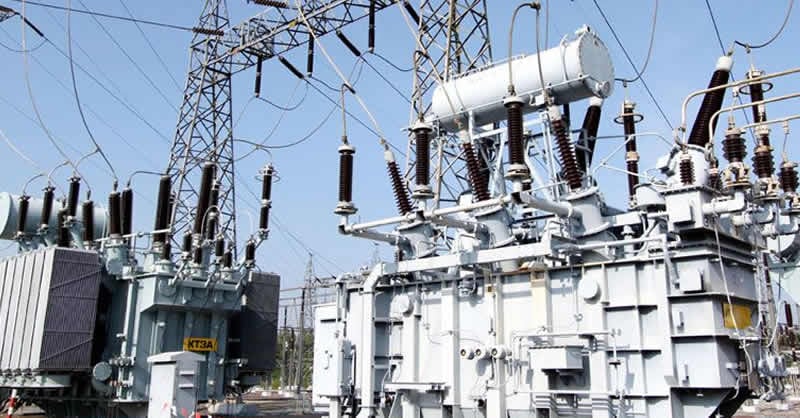
Nigerian National Grid Collapse Plunges Country into Darkness Again
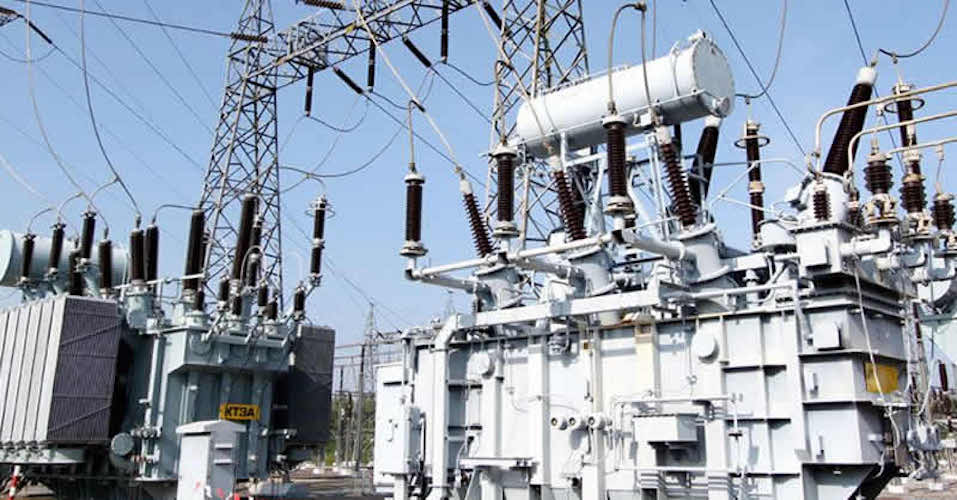
Nigeria Plunges into Darkness as National Power Grid Collapses Again
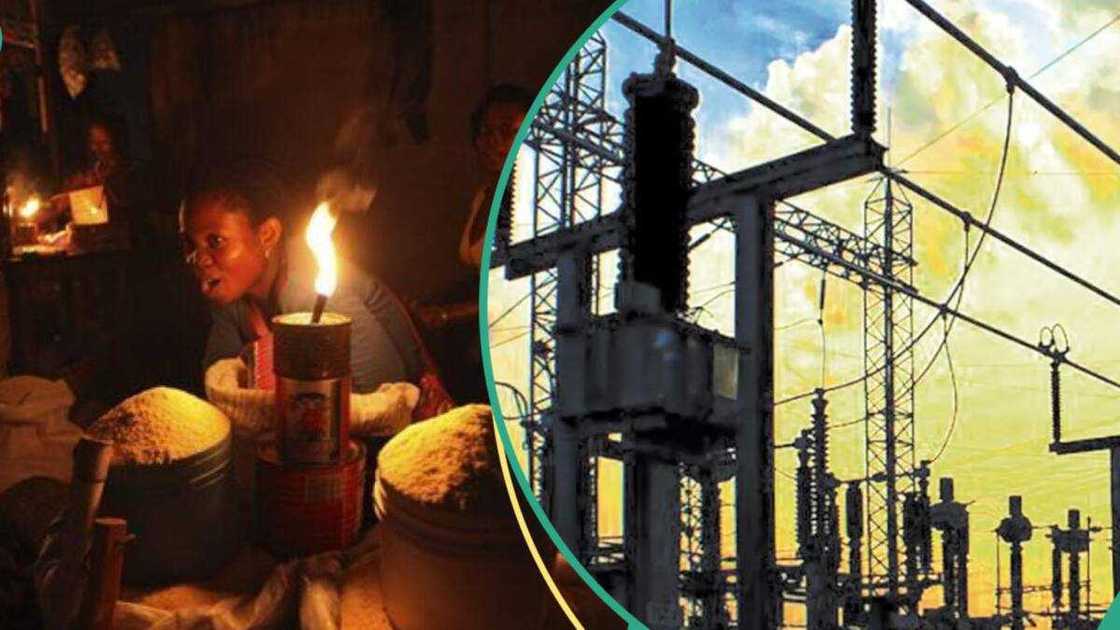
Expert Analysis: Strategies to End Nigeria's Power Grid Collapses

Nationwide Blackout in Nigeria as National Grid Collapses Again
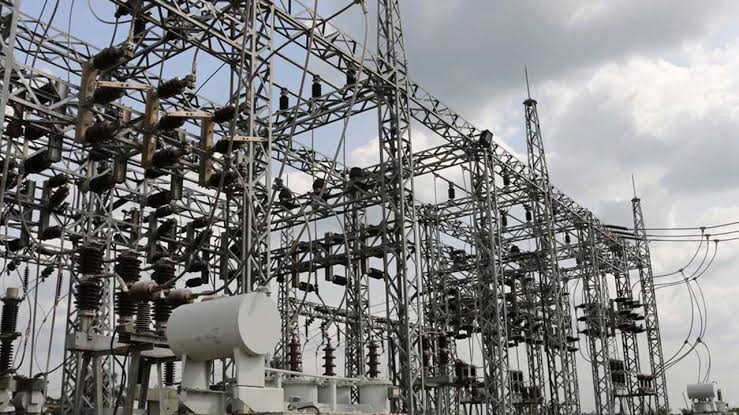
Nigerian National Power Grid Collapses Again, Causes Major Outage
Nigeria Plunges into Darkness Again as National Grid Collapses
Get Plus234Feed on messaging apps
Same headlines, delivered where you already scroll.


