

Nigeria's Power Sector Faces Liquidity Crisis Until 2026

The Nigerian power sector is anticipated to continue facing a liquidity crisis through 2026, as highlighted by Mr. Odion Omonfoman, Chief Executive Officer of New Hampshire Capital Limited, during an exclusive discussion. He noted that the sector's debt is projected to rise from ₦4 trillion in December 2024 to ₦6 trillion by the end of that year, with an average monthly debt accumulation of ₦200 billion.
The sector struggles with significant challenges, including inadequate infrastructure, grid collapses, and non-compliance with cost-reflective tariffs. Minister of Power Adebayo Adelabu previously disclosed that the sector's debt had reached ₦6 trillion by the end of December last year.
Omonfoman emphasized that the government will be reluctant to increase tariffs ahead of the 2027 general elections, which will further exacerbate the liquidity crisis. He argued that addressing legacy debts and allowing tariffs to reflect market conditions are crucial for the sector's recovery, while also warning against political interference in tariff adjustments.
Plus234Feed summary based on reporting from This Day. Read the original report below.
Read full article
Continue on This Day
Get the week in one email
Top stories, NPFL results, the naira — every Friday morning. Free, one email a week.
Related Stories
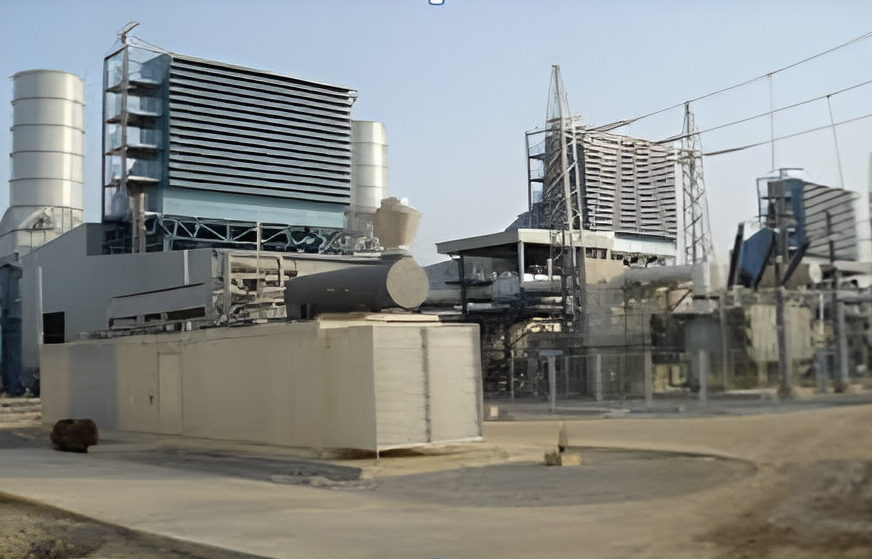
Nigeria's Power Sector Faces Crisis with N6.8 Trillion Debt

Nigeria's Electricity Crisis: Economic Impact and Urgent Need for Reform
Nigeria's Power Crisis: Tinubu's Pledge for Reform
Firms Exit Nigeria's Power Grid Amid Ongoing Failures
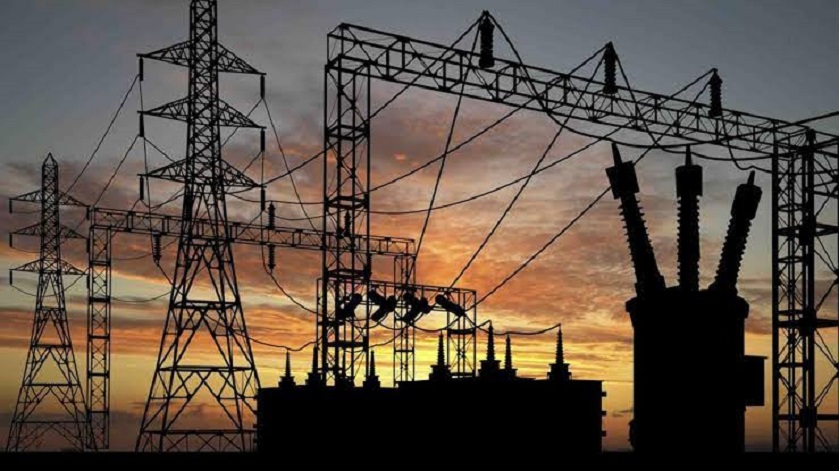
Nigeria Faces Major Blackout Due to ₦3.3 Trillion Debt
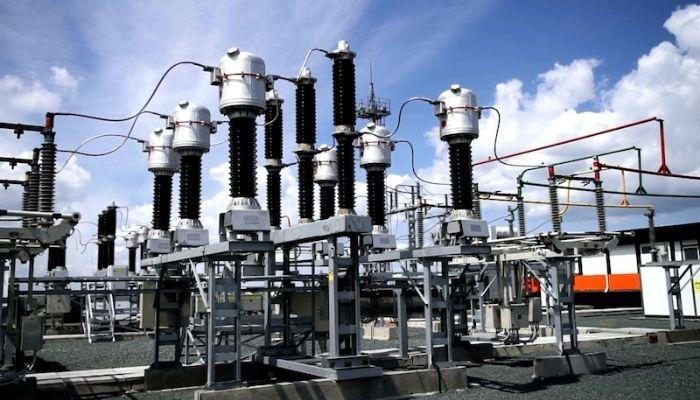
Nigeria's Power Sector Reforms Attract $2bn Investment
Get Plus234Feed on messaging apps
Same headlines, delivered where you already scroll.


