

Nigeria's Electricity Crisis: Economic Impact and Urgent Need for Reform

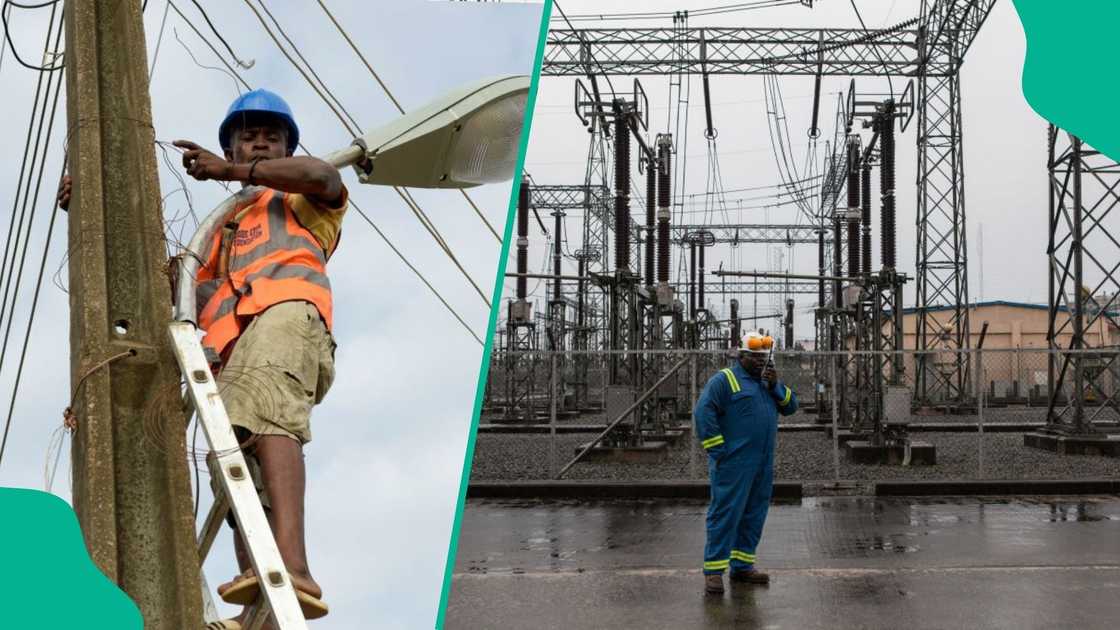
Nigeria's economy is burdened by its costly and unreliable electricity infrastructure, with citizens spending trillions annually on self-generated power. The World Bank estimates Nigeria loses $29 billion yearly due to electricity unreliability, impacting GDP growth and causing disruptions across sectors like manufacturing and healthcare.
The country's electricity crisis highlights the need for urgent investment in modernizing the power sector to spur economic development.
Plus234Feed summary based on reporting from This Day. Read the original report below.
Read full article
Continue on This Day
Share
Get the week in one email
Top stories, NPFL results, the naira — every Friday morning. Free, one email a week.
Free · one email per week · unsubscribe anytime
Related Stories

General News
Nigeria's Electricity Crisis: Economic and Climate Impacts

Business
Nigeria's Bid to Solve Mass Metering Crisis in 2026
Business
Nigeria's N7 Trillion Investment Yields Little Progress in Power Sector
Business
Nigerian Power Sector Faces Crisis with Debt and Shutdown Threats in 2025
General News
Nigeria's Power Sector Struggles as Plants Operate Below Capacity, NERC Reports
Business
Nigeria's Plan to Export Electricity Raises Economic and Domestic Concerns
Get Plus234Feed on messaging apps
Same headlines, delivered where you already scroll.


