

Nigeria's Climate Insurance Needs Urgent Attention

Nigeria experiences predictable cycles of flooding and drought, yet its primary financial defense against climate events, climate insurance, is largely ineffective for most farmers. Climate insurance, particularly index-based insurance, offers a solution by automating payouts based on satellite data rather than relying on slow damage assessments.
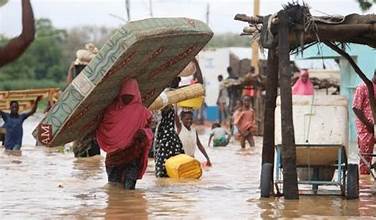
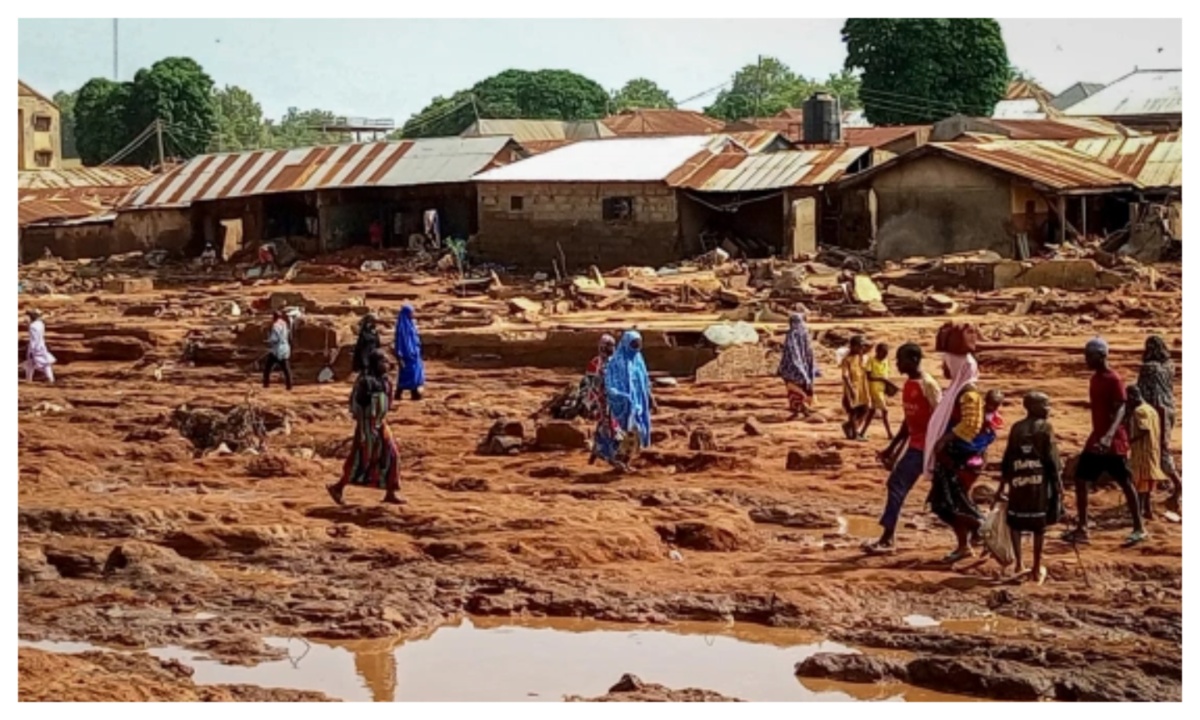
The 2022 floods, the worst in a decade, affected 36 states and the Federal Capital Territory, resulting in over 600 fatalities, displacing approximately 1.4 million people, and damaging over 200,000 homes. The World Bank assessed the median direct economic loss at $6.68 billion, with a potential range up to $9.12 billion.
The Ministry of Humanitarian Affairs reported $1.8 billion in agricultural losses, while NEMA recorded 332,327 hectares of farmland impacted. The article underscores that Nigeria must choose how to manage the financial burden of climate disasters, emphasizing the urgent need for effective climate insurance mechanisms.
Plus234Feed summary based on reporting from This Day. Read the original report below.
Read full article
Continue on This Day
Get the week in one email
Top stories, NPFL results, the naira — every Friday morning. Free, one email a week.
Related Stories
Flooding Crisis in Nigeria Highlights Climate Health Emergency

NiHSA Warns of Flood Risks to Schools, Urges Climate Education

Nigerian Banks Face Credit Risks from Climate Change

NIA Urges Flood Victims in Lagos to File Insurance Claims

NAIC Partners with Ministries to Boost Farmers' Insurance
Climate Change Fuels Insecurity in Northern Nigeria
Get Plus234Feed on messaging apps
Same headlines, delivered where you already scroll.


