Nigeria's Economic Reforms Drive Growth and Infrastructure Investment
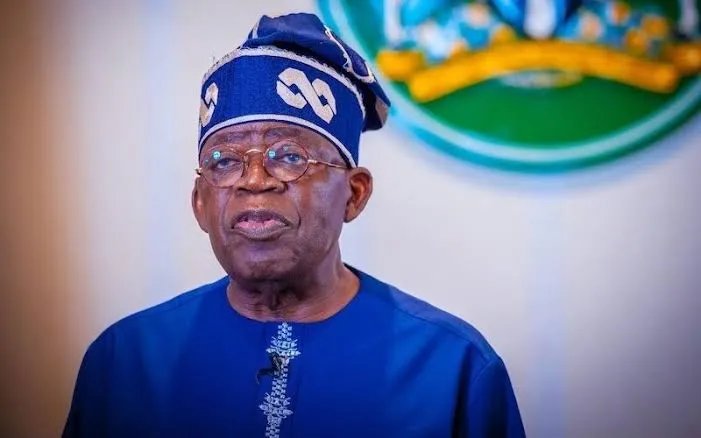
Since 2023, Nigeria has undertaken critical economic reforms, including the removal of the petrol subsidy, unification of the exchange rate, modernization of the tax framework, and coordinated actions on inflation. These reforms have resulted in a real GDP growth of 4.43% in Q2 2026 and 4.2% in H1 2026, an increase from 2.74% in 2023.
Headline inflation decreased to 14.63% in September 2026 from 20.98% the previous year, while food inflation was at 19.59%. As of October 9, 2026, gross external reserves reached USD 55.1 billion, with net reserves at about USD 46 billion, marking an 18-year high.
The NFEM exchange rate was N1,333/US$, and public debt was at 35.75% of GDP in Q2 2026. The Federal Executive Council's economic strategy emphasizes productive borrowing for infrastructure projects, including the Lagos–Calabar Coastal Highway and improvements to the power sector, aiming for a USD 1 trillion economy by 2030.
Read the original