

Nigeria's Strategy to Combat Terrorism and Insurgency

The article discusses the ongoing terrorism crisis in Nigeria, particularly in the northeastern states of Borno, Yobe, and Adamawa, where insurgent groups have caused significant destruction and displacement. Despite military efforts, the conflict persists, indicating that military action alone cannot achieve lasting peace.
A broader strategy is necessary, emphasizing intelligence-driven security measures, improved surveillance, and cooperation among security agencies and local communities. Additionally, addressing socio-economic challenges such as poverty, unemployment, and limited access to education is crucial to prevent youth recruitment into insurgent groups.
The article highlights the importance of good governance, transparency, and visible improvements in daily life to restore public confidence in government institutions. It also stresses the need for regional cooperation with neighboring countries to manage borders effectively and counter extremist propaganda.
A coordinated approach combining security, economic development, and community engagement is essential for Nigeria to end the insurgency in the northeast.
Plus234Feed summary based on reporting from Blueprint. Read the original report below.
Read full article
Continue on Blueprint
Get the week in one email
Top stories, NPFL results, the naira — every Friday morning. Free, one email a week.
Related Stories

Ex-presidential candidate calls for broader anti-terror strategy

Buratai Urges Action Against Terrorism Financiers in Nigeria

Education as a Key to Nigeria's Security Challenges

Nigeria Faces Resurgence of Terrorism Amid U.S. Strikes

Bamidele Calls for New Anti-Terror Strategy in Nigeria
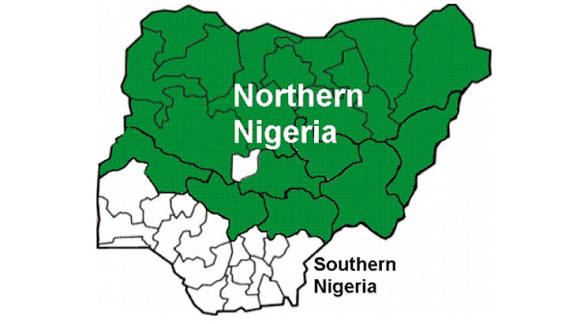
Banditry Crisis in Northern Nigeria: A Growing Threat
Get Plus234Feed on messaging apps
Same headlines, delivered where you already scroll.


