

INEC draws line on military role in elections, says deployment must be exceptional

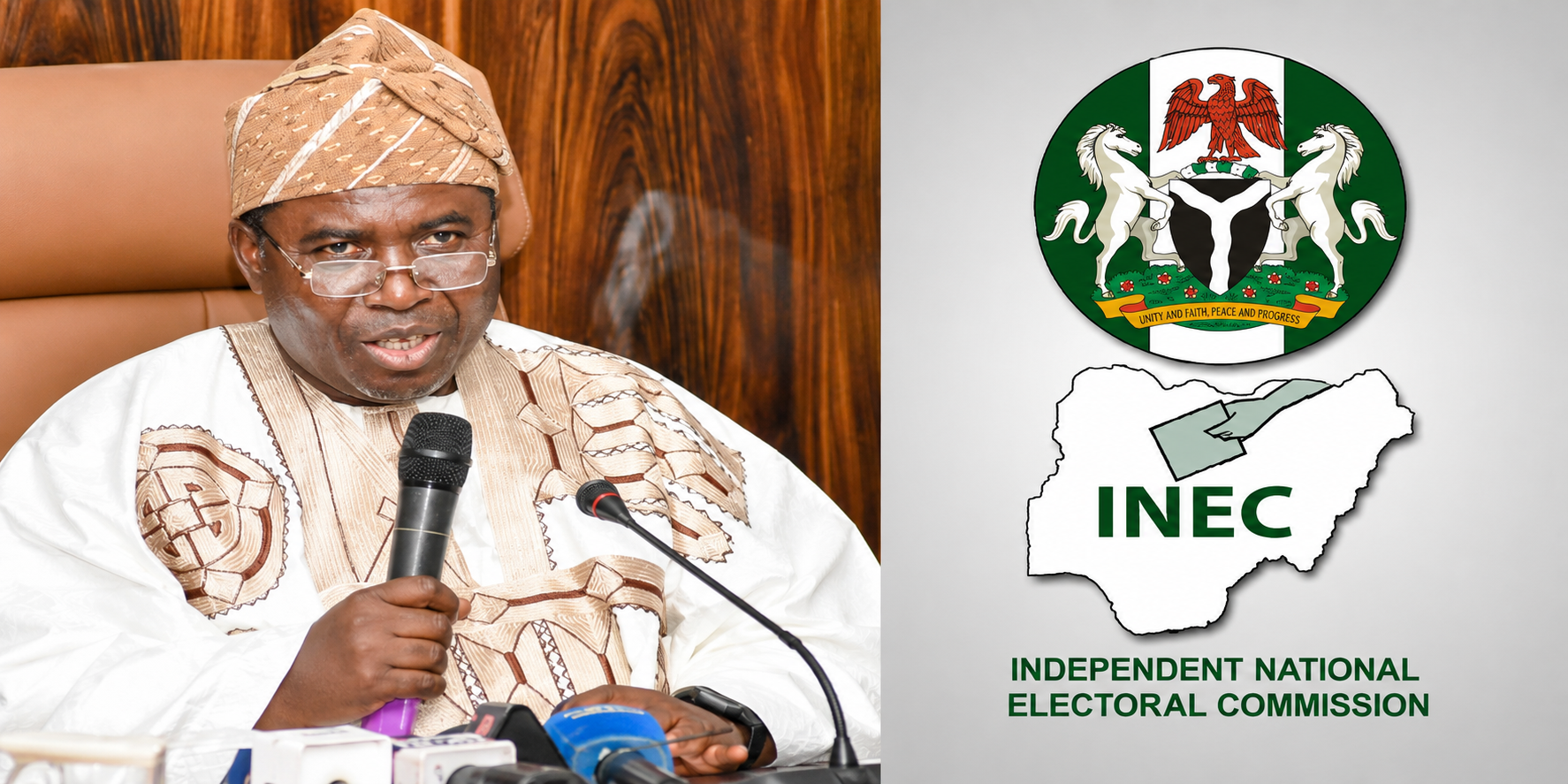
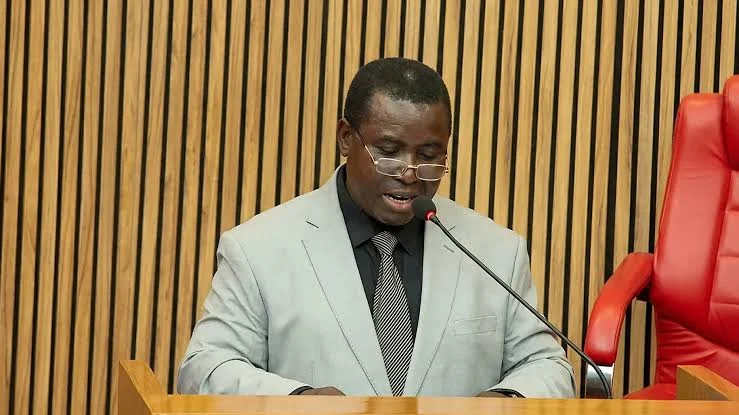
INEC Chair Prof. Joash Amupitan says military involvement in elections should occur only under specific security conditions, with police as the lead agency.
The Independent National Electoral Commission has clarified its position on armed forces involvement during elections, stating that any military deployment should be tied to genuine security threats rather than treated as standard practice. Prof. Joash Amupitan, INEC Chairman, made this declaration while speaking at a seminar held at the Army War College in Abuja on Thursday.
The event, organised by the Defence Headquarters Department of Operations, brought together military officers, security officials, and election management stakeholders to discuss the armed forces' role in the 2027 general elections. According to INEC's position, the Nigeria Police Force holds the constitutional responsibility as the primary security agency for electoral processes.
The military's involvement, when it does occur, should be strictly supportive and only activated when prevailing security circumstances demand assistance to civil authorities. Amupitan, represented by the Commission's Director of Legal Affairs Al-Hassan Umar, argued that the Constitution already establishes clear institutional boundaries for those involved in election management.
This framing distinguishes between routine police operations and extraordinary military interventions. The emphasis on constitutional limits reflects a broader concern about maintaining civilian control over electoral processes.
By positioning police as the default security provider and military as an exceptional backstop, INEC is establishing a hierarchy that reserves armed forces deployment for scenarios where law enforcement capacity is genuinely insufficient. The distinction matters for Nigerians, as military presence at polling units has historically raised concerns about voter intimidation and political interference, particularly in volatile regions.
INEC's statement also stressed that any military deployment during elections must operate within constitutional and legal parameters. The Commission did not specify which security conditions would trigger such deployment, leaving room for interpretation by election management bodies and security agencies during actual electoral cycles.
The 2027 general elections represent the first electoral cycle where this clarified policy framework is being formally communicated to the armed forces command structure.
Sources
- Daily Trust — INEC rejects routine military deployment during elections
- Blueprint — INEC rejects deployment of military during routine elections
- Punch Newspapers — Military deployment shouldn’t be routine during elections — INEC chair
- Punch Newspapers — INEC chair: Troops shouldn’t be regular feature at elections
- Blueprint — 2027: Police, not military should lead election security – INEC
Get the week in one email
Top stories, NPFL results, the naira — every Friday morning. Free, one email a week.
Related Stories
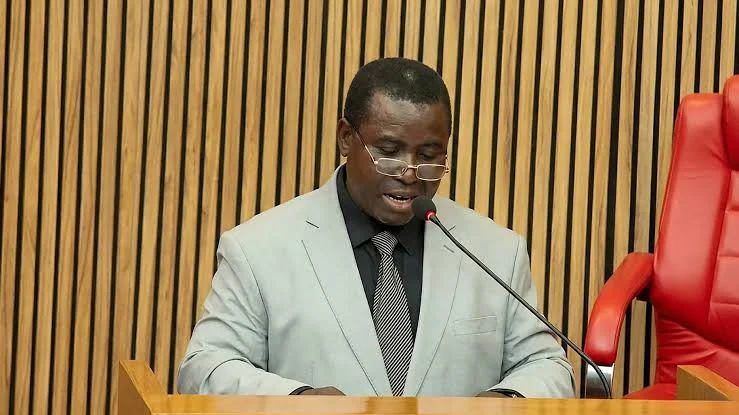
INEC Chair Advocates Limited Military Role in Elections
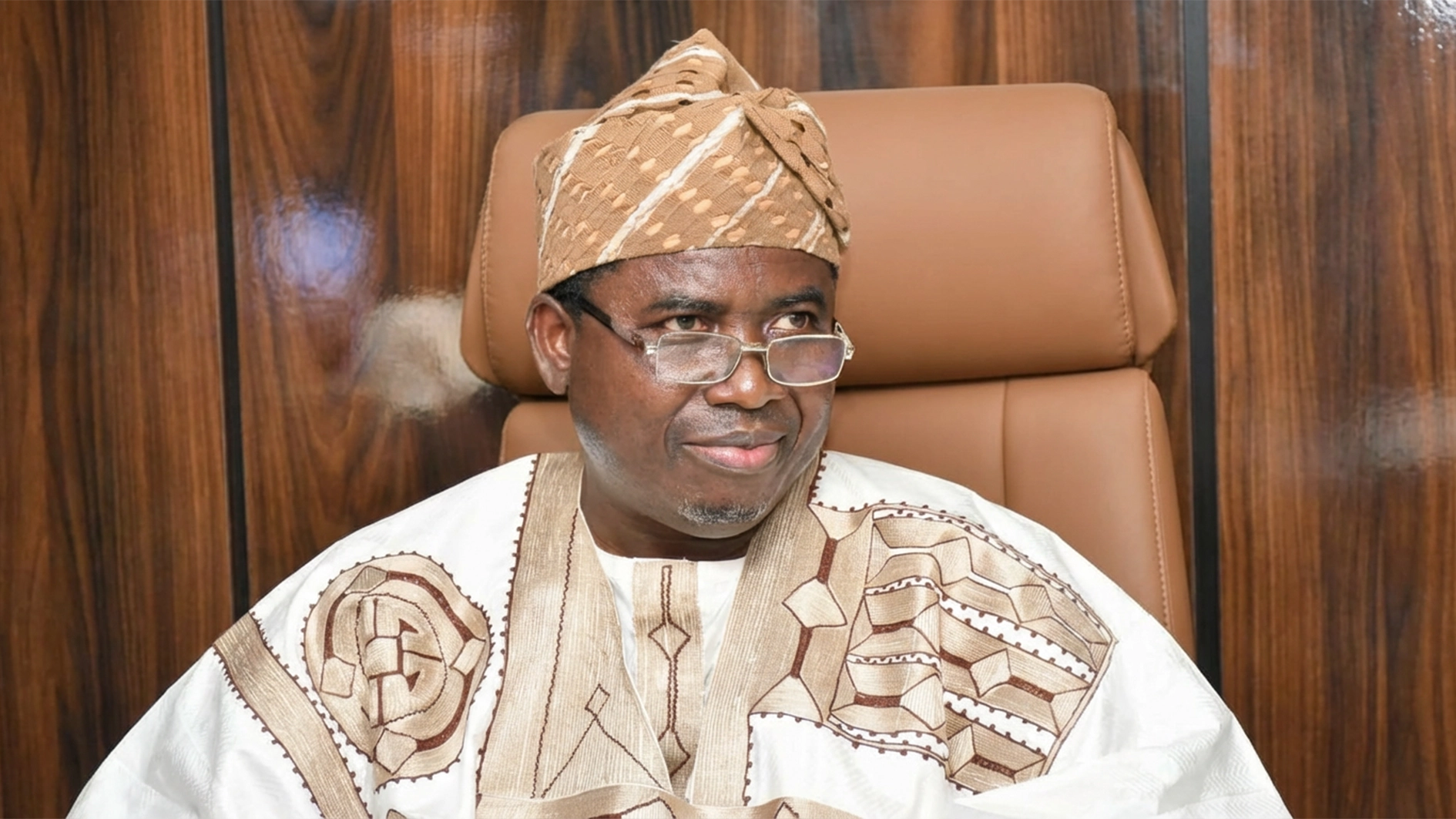
INEC: Police to Lead Election Security, Military as Support
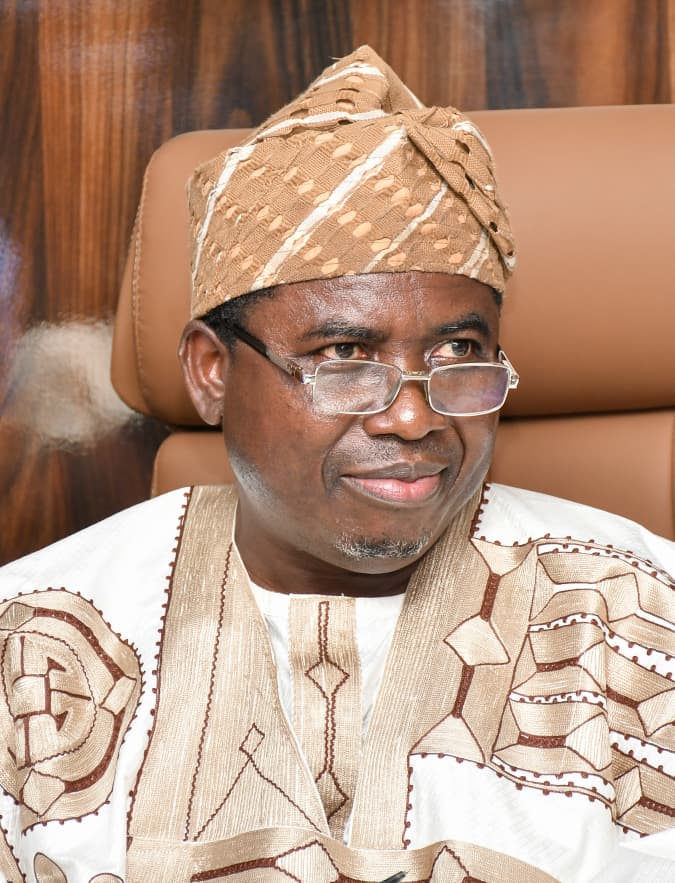
INEC to Deploy 1.4 Million Personnel for 2027 Elections
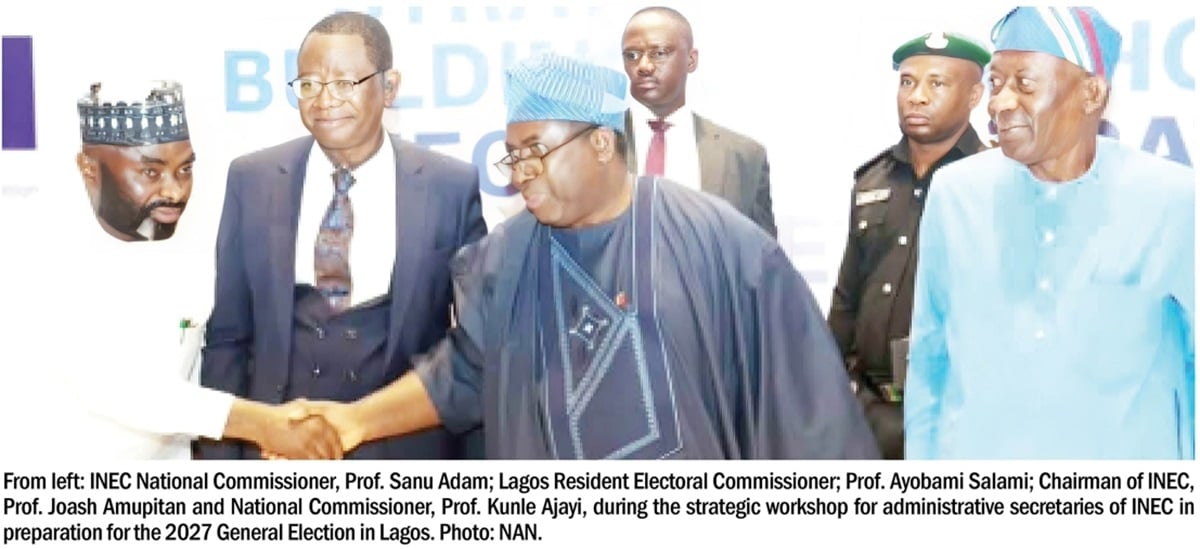
INEC Chair Amupitan Warns Electoral Officers on Integrity
INEC Identifies Six Threats to 2027 Elections
INEC Chairman Calls for Financial Autonomy Ahead of 2027
Get Plus234Feed on messaging apps
Same headlines, delivered where you already scroll.


