

INEC’s Bye-elections and Lessons Not Learnt

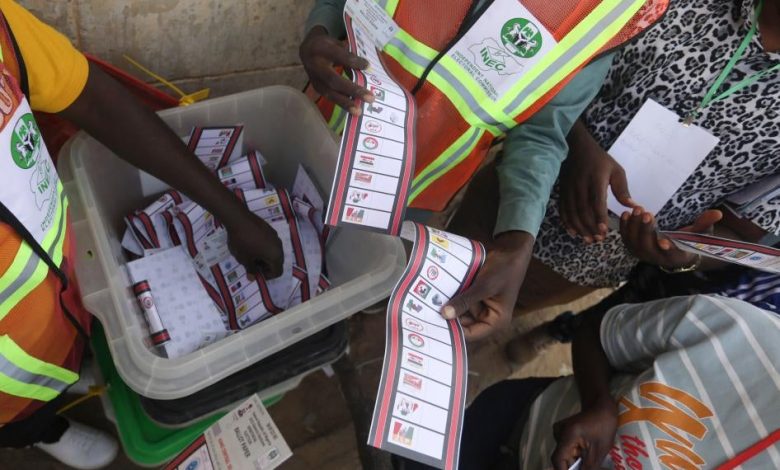
The recent bye-elections conducted by INEC across 16 constituencies in 12 states on Saturday highlighted the challenges facing Nigeria's democracy. The history of Nigeria's political landscape, marked by military dictatorships and brief periods of democratic rule, has shaped the country's current democratic consolidation efforts.
Despite the return to democratic governance in 1999, issues such as electoral fraud, rigging, and violence continue to plague the electoral process. Calls for electoral reform have been ongoing, with the need for a more transparent and accountable system emphasized.
The Electoral Act of 2022, introduced for the 2023 general election, has faced challenges, including electronic result transmission issues. Recommendations for reform include single-day voting, electronic transmission clarity, and affirmative action for women in politics.
Strengthening the electoral system through technological innovations, accountability measures, and the establishment of a National Electoral Offenders Commission are seen as crucial steps towards building trust in the electoral process and ensuring fair elections in the future.
Plus234Feed summary based on reporting from This Day. Read the original report below.
Read full article
Continue on This Day
Get the week in one email
Top stories, NPFL results, the naira — every Friday morning. Free, one email a week.
Related Stories
THE IMPERATIVE TO FIX NIGERIA’S ELECTORAL SYSTEM
Nigeria at Crossroads: INEC Seeks Transparent Leadership Appointment
Credible Elections Essential For Nigeria’s Stability, Development – Stakeholders
INEC Urges Electoral Act Review Ahead of 2027 Elections
Civil Society Urges NASS to Fast-Track Electoral Reforms for 2027 Elections
EU Warns Nigeria of Electoral Flaws Repeat in 2027 Polls
Get Plus234Feed on messaging apps
Same headlines, delivered where you already scroll.


