
CILT Nigeria Conference Addresses Informal Transport Sector Challenges

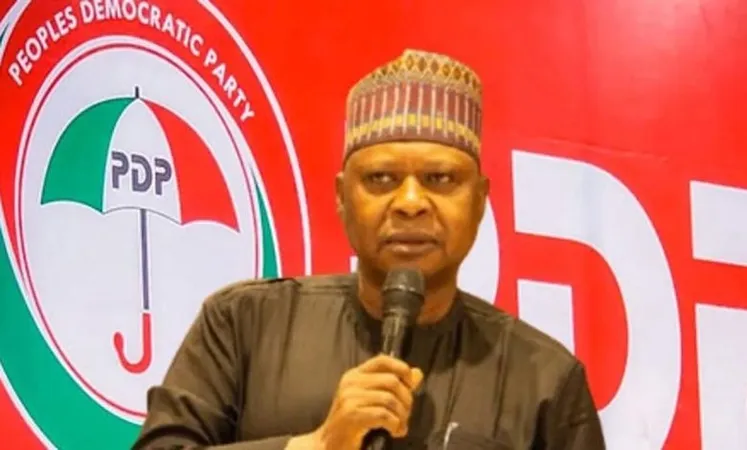
The informal transport sector in Nigeria is hindering accurate measurement of its contribution to the national economy, as discussed at the 2026 National Conference and Annual General Meeting of the Chartered Institute of Logistics and Transport (CILT) Nigeria. Segun Obayendo, the Special Adviser to the Vice President on Transportation, noted that the informal nature of significant parts of the road transport and inland waterways sectors complicates efforts to assess their economic value.
Discussions with the National Bureau of Statistics (NBS) revealed challenges in capturing economic activities within the informal sector, which affects policymakers' ability to plan effectively. Obayendo emphasized the need for collective action among government agencies, professional bodies, and transport operators to formalize the sector, thereby improving visibility and demonstrating the industry's contribution to economic growth.
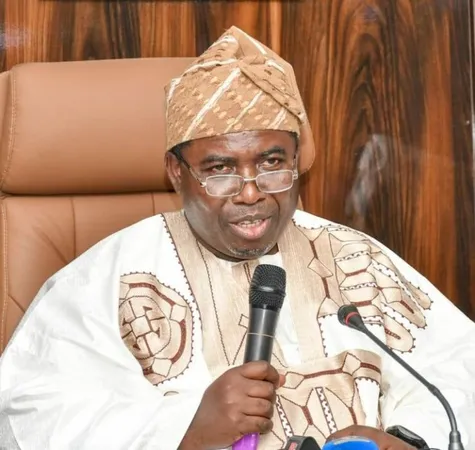
CILT Nigeria President Dr Boboye Oyeyemi also advocated for a coordinated approach to transport and logistics infrastructure development, addressing issues such as infrastructure deficits, high logistics costs, and regulatory inconsistencies.
Plus234Feed summary based on reporting from Leadership Newspaper. Read the original report below.
Read full article
Continue on Leadership Newspaper
Get the week in one email
Top stories, NPFL results, the naira, every Friday morning. Free, one email a week.
Related Stories

CILT Nigeria Conference Advocates for Transport Sector Formalisation

Nigeria's Informal Economy Challenges Official GDP Data

Nigerian Railway Corporation Advocates Transport Integration

Nigeria's FG Advocates Transport Integration for Economic Growth

PenCom Reports 84.9M Informal Workers Lack Pensions

NESG Reports Uneven Economic Growth in Nigeria for 2026
Get Plus234Feed on messaging apps
Same headlines, delivered where you already scroll.