

Investing in Early Childhood Vital for Nigeria's Future

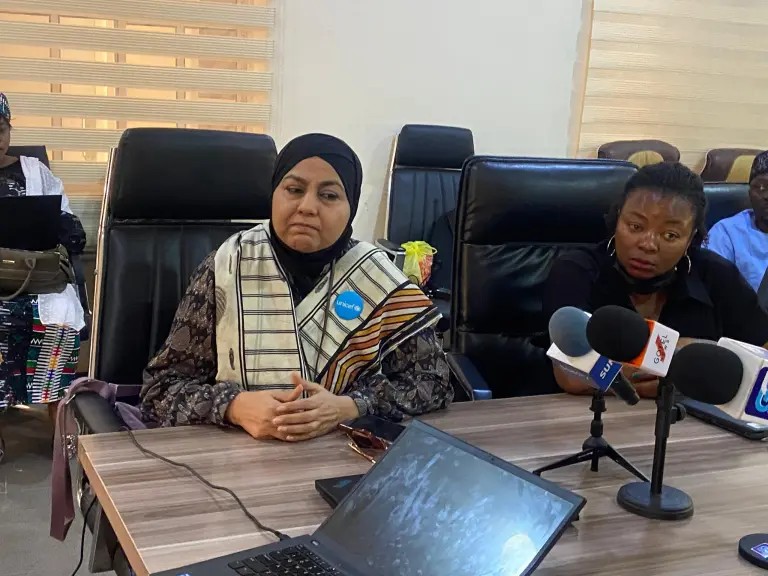
On Tuesday, Dr. Nuzhat Rafiqu, the Chief of UNICEF's Bauchi Field Office, addressed the critical need for Nigerian policymakers to prioritize investment in the first 1,000 days of a child's life. This period is crucial for shaping lifelong health and learning outcomes.
Dr. Rafiqu noted that recent studies indicate stunting, caused by chronic malnutrition, not only affects physical growth but also results in significant economic losses for the nation, estimating that Nigeria loses billions annually due to high stunting rates. She highlighted the importance of exclusive breastfeeding, which remains low due to cultural myths and workplace barriers.
Additionally, antenatal care (ANC) was stressed as vital for ensuring healthy beginnings, with regular visits helping to detect complications early. Dr. Rafiqu urged male involvement in maternal and child health to improve outcomes and support mothers.
She also pointed out that teenage pregnancy and early marriage exacerbate challenges for adolescent mothers, leading to nutritional deficiencies and developmental delays in children.
Plus234Feed summary based on reporting from This Day. Read the original report below.
Read full article
Continue on This Day
Get the week in one email
Top stories, NPFL results, the naira — every Friday morning. Free, one email a week.
Related Stories

Early Childhood Investment Crucial for Nigeria's Economy
Experts Urge Investment in Healthcare for Children's Survival

Nigeria's Human Capital Development: A Path to Growth

World Bank Urges Nigeria to Boost Health, Education Investments
Maternal Healthcare Key to Reducing Child Mortality in Nigeria

Nutrition International Warns of Maternal Health Crisis in Nigeria as Funding Ends
Get Plus234Feed on messaging apps
Same headlines, delivered where you already scroll.


