

Early Childhood Investment Crucial for Nigeria's Economy

A high-level policy dialogue held in Abuja emphasized the importance of early childhood investment for Nigeria's long-term productivity. Economists and policy experts, including Dr. Ritgak Tillei Gyado from the World Bank, argued that Nigeria's ambition to become a $1 trillion economy by 2050 hinges on the early development of children.
They highlighted that children aged 0-5 today will enter the labor force between 2035 and 2050, stressing that weak foundations in health, nutrition, and early learning will hinder the country's growth. The dialogue revealed alarming statistics: 40% of children under five are stunted, and 70% of ten-year-olds face learning poverty.
These issues, linked to chronic deprivation, threaten Nigeria's future workforce and tax capacity. The discussion also pointed out that investments in early childhood yield significant economic returns, with every dollar spent resulting in a 13% higher productivity rate.
The need for integrated governmental action across health, nutrition, and education was underscored to improve outcomes for children.
Plus234Feed summary based on reporting from Punch Newspapers. Read the original report below.
Read full article
Continue on Punch Newspapers
Get the week in one email
Top stories, NPFL results, the naira — every Friday morning. Free, one email a week.
Related Stories
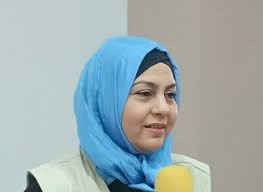
Investing in Early Childhood Vital for Nigeria's Future

UNICEF Advocates for More Investment in Early Education
World Bank: $400bn Potential from Investing in Girls
Experts Call for Investment in Childhood Cancer Care
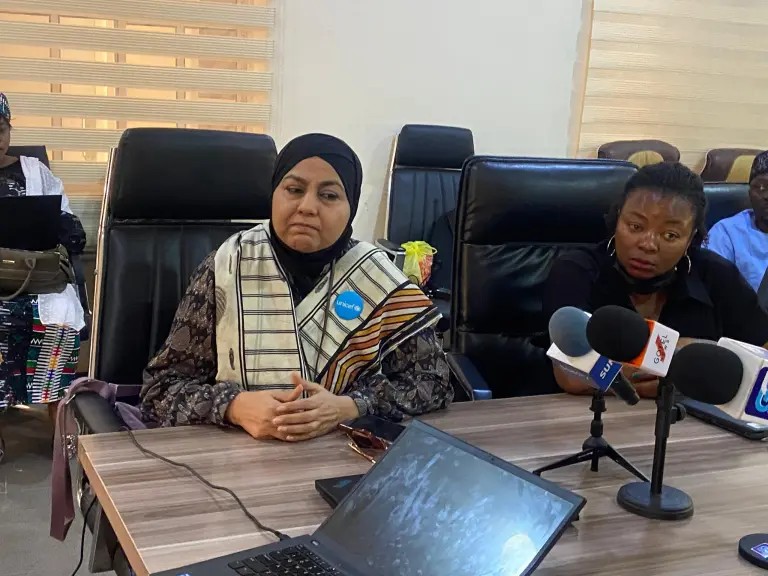
Experts Urge Investment in Healthcare for Children's Survival

UNICEF Advocates for Girls' Education in Nigeria
Get Plus234Feed on messaging apps
Same headlines, delivered where you already scroll.


