

Lagos Housing Crisis: Economic Impact of High Rents

The article by Ayodele Adio highlights the macroeconomic impact of the unaffordable housing crisis in Lagos, Nigeria. It notes that middle-income households spend 50-70% of their income on rent, which significantly affects their consumption patterns and overall economic health.
The World Bank's assessment indicates that Lagos has a population density of about 8,000 people per square kilometer, contributing to a housing deficit of approximately 3-4 million units. As rent prices soar—reaching as high as 20.9 million naira annually for a one-bedroom apartment in prime neighborhoods—the burden of rent affects 70% of residents who are renters.
This situation leads to diminished consumer demand, impacting local businesses and employment, as households prioritize rent over other expenditures. The article emphasizes that the rising cost of housing is not just a personal issue but a structural economic problem that threatens the growth trajectory of Lagos's economy.
Plus234Feed summary based on reporting from Premium Times. Read the original report below.
Read full article
Continue on Premium Times
Get the week in one email
Top stories, NPFL results, the naira — every Friday morning. Free, one email a week.
Related Stories

Lagos Residents Demand Urgent Control of Soaring Rents
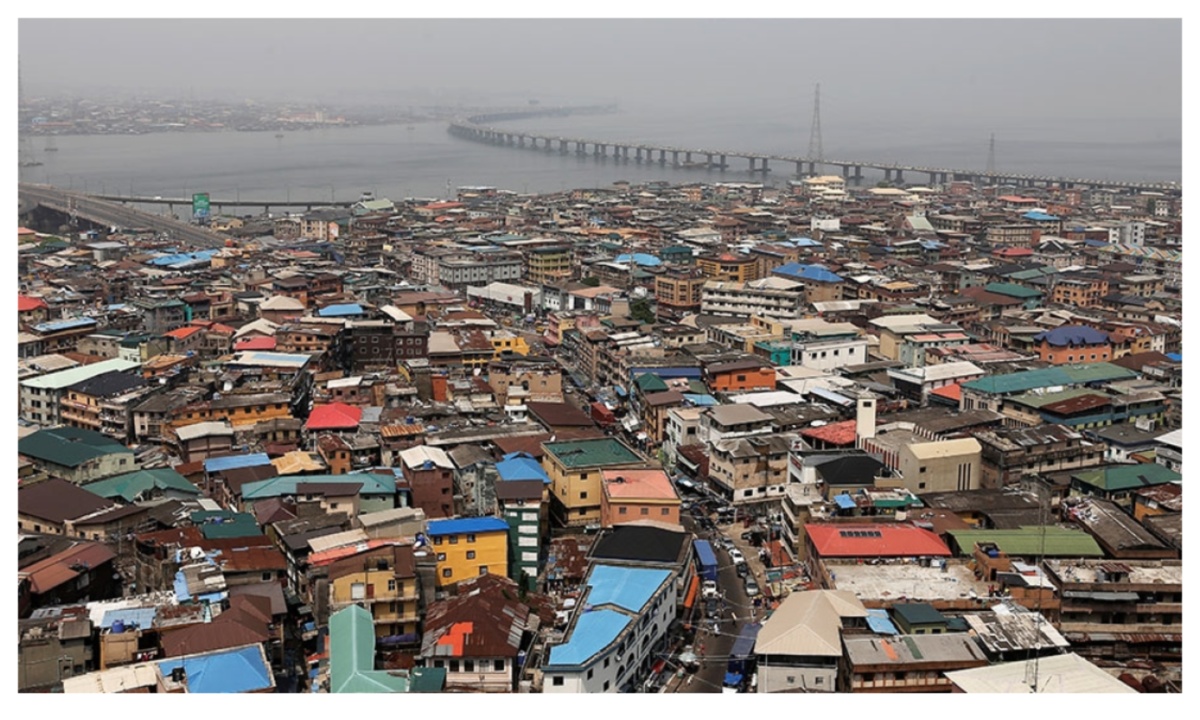
Lagos Tenants Struggle with High Rents for Poor Housing

Lagos Residents Struggle with Soaring Housing Costs
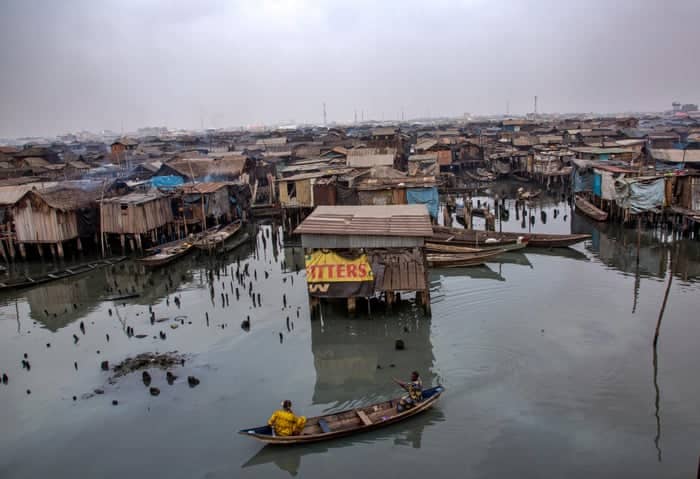
Lagos Housing Crisis Threatens Makoko Community Stability

Lagos Pursues Economic Growth Through Urban Renewal and Affordable Housing
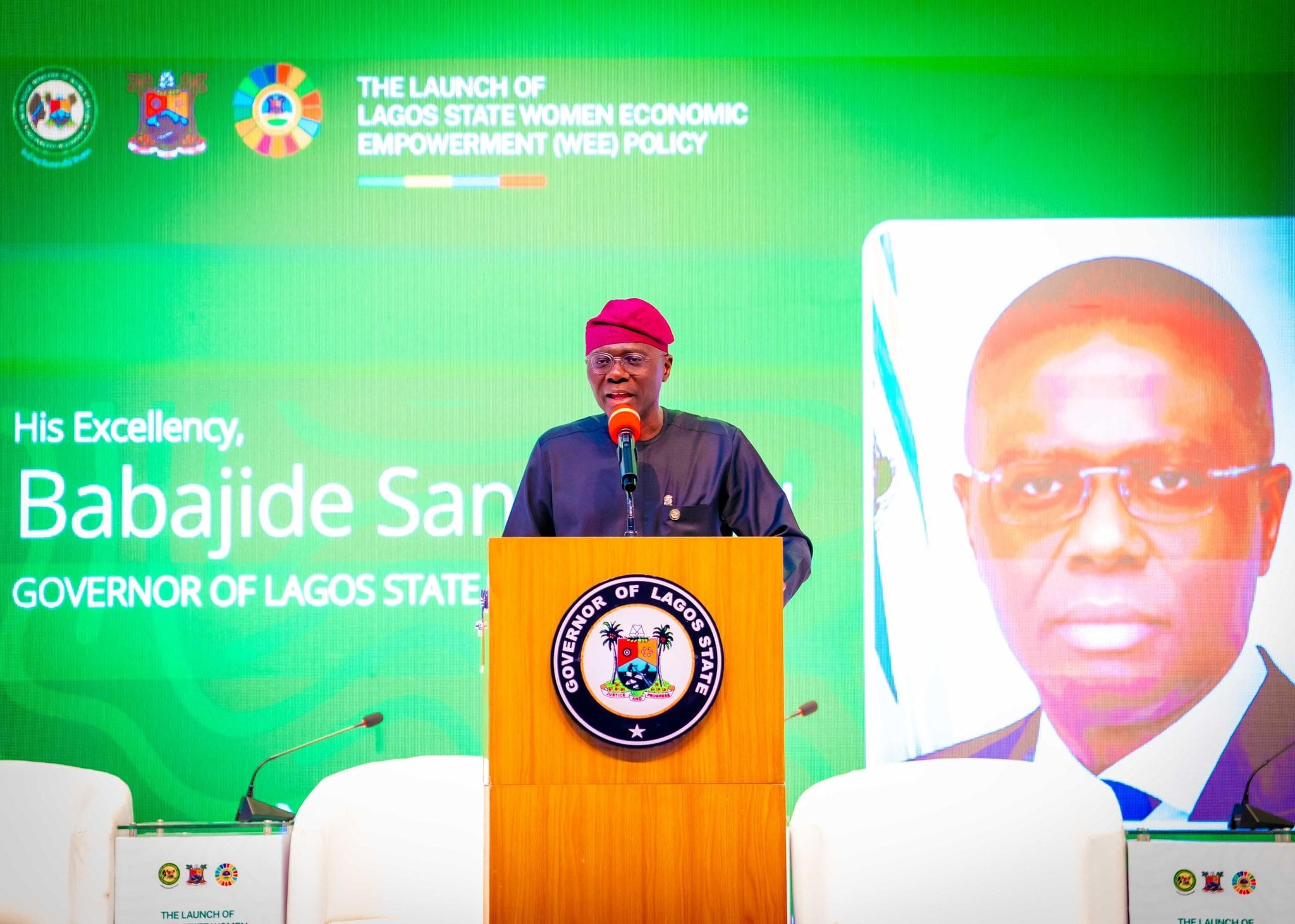
Lagos Real Estate Market Struggles with Housing Supply Shortage Despite 34,800 Units in Pipeline
Get Plus234Feed on messaging apps
Same headlines, delivered where you already scroll.


