

Nigeria's Education Reform: Addressing Secondary School Challenges

The Nigerian Federal Government is undertaking significant reforms in the secondary education sector, particularly focusing on the separation of junior and senior secondary schools. Minister of Education Tunji Alausa highlighted that approximately 20 million students drop out of primary and junior secondary schools, with 80,000 public primary schools and 15,000 junior secondary schools contributing to a bottleneck in the education system.
The current structure, introduced in 1982, has resulted in administrative duplication and overcrowding in junior schools while senior schools remain underutilized. The government aims to unify the secondary school system to improve efficiency and educational outcomes.
Key proposals include significant investments in school infrastructure, recruitment and training of qualified teachers, and strengthening social protection programs to retain students. The government also plans to ensure that unfinished projects do not hinder educational access, emphasizing the need for broad stakeholder ownership in the reform process.
Plus234Feed summary based on reporting from Blueprint. Read the original report below.
Read full article
Continue on Blueprint
Enjoy this article?
Get the weekly Nigerian roundup — top stories, NPFL, naira. One email, Sunday morning.
Related Stories
FG to Abolish JSS-SSS Split Amid 20 Million Dropouts
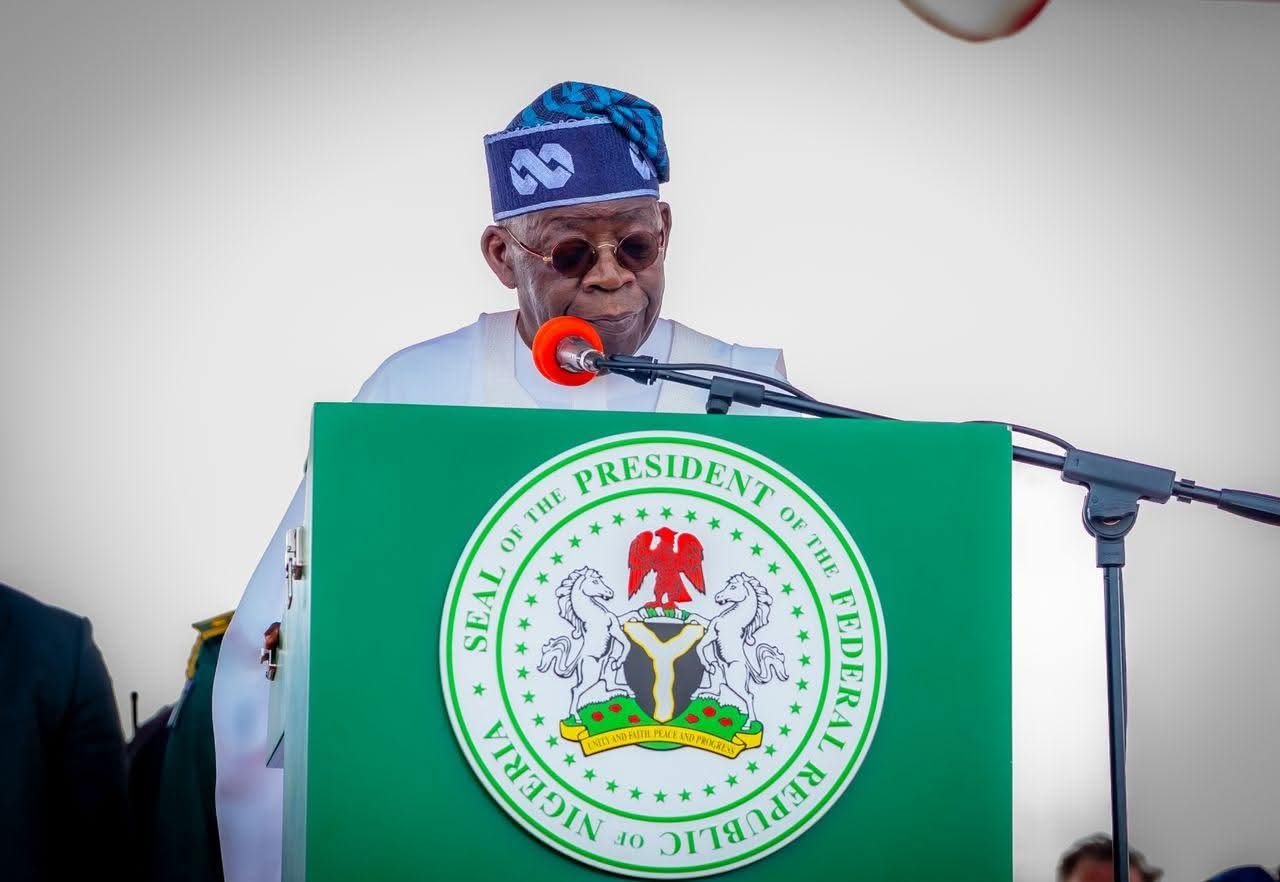
Tinubu Proposes Major Reforms for Nigeria's Education System
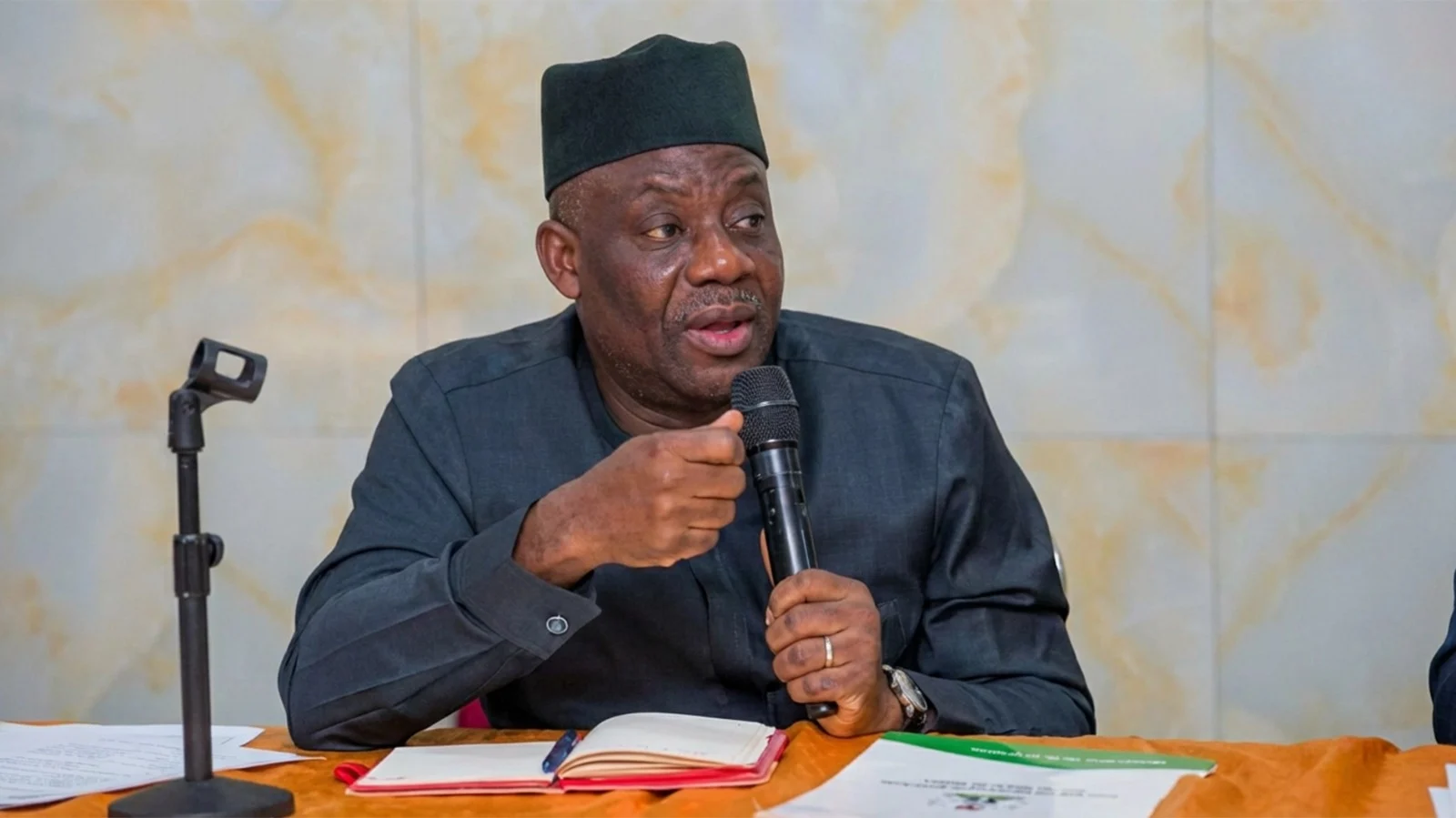
Nigeria to Abolish JSS/SSS Structure Amid 20M Dropouts
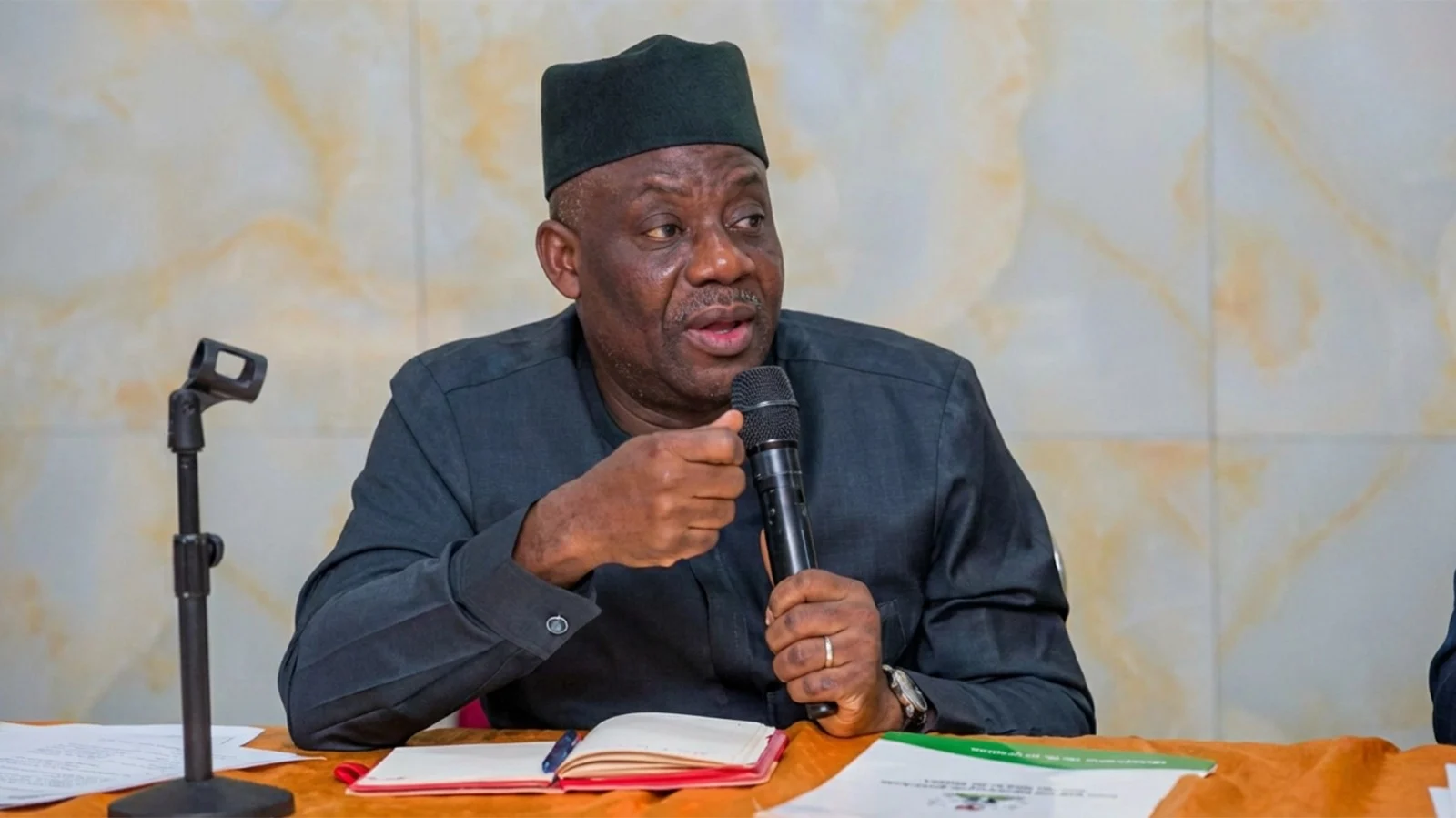
Education Minister Calls for Investment in Nigeria's Future
FG Overhauls Nigeria's Education System Amid Dropouts
FG to Abolish JSS, SSS Separation Policy Amid Dropouts
Get Plus234Feed on messaging apps
Same headlines, delivered where you already scroll.


