

Nigerians Struggle with Rising Fuel Prices Amid Conflict

The ongoing conflict in the Middle East, which escalated on February 28, 2026, has led to a surge in global oil prices, exceeding $100 per barrel. This situation has severely impacted Nigeria, where the economy heavily relies on oil.
Petrol prices have increased to approximately N1,370 per liter, with black market prices reaching N2,500 in remote areas. As a result, transport costs have risen dramatically, causing widespread economic hardship for Nigerians.
For instance, Mr. Joana, a transport worker, now spends N2,800 daily to commute to work, while salaries have not increased, leading to financial strain. Ezekiel Chukwu, a civil servant, noted that Nigerians are adapting by prioritizing their movements and rescheduling work to cope with the rising costs.
The situation has prompted many to reconsider their living arrangements and spending habits, as the conflict in the Middle East shows no signs of resolution.
Plus234Feed summary based on reporting from Blueprint. Read the original report below.
Read full article
Continue on Blueprint
Get the week in one email
Top stories, NPFL results, the naira — every Friday morning. Free, one email a week.
Related Stories
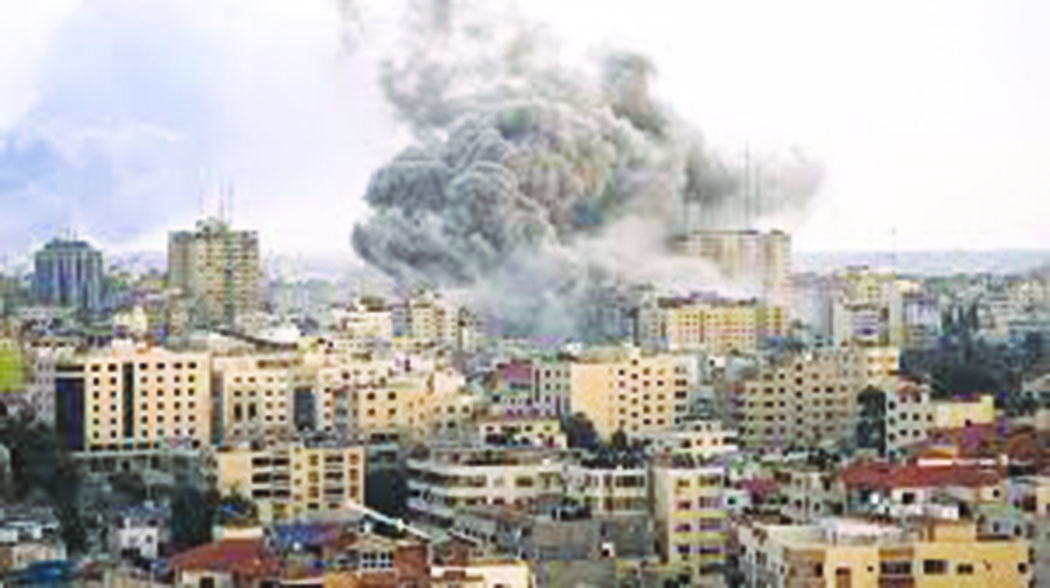
Middle East Conflict Drives Fuel Prices Up in Nigeria
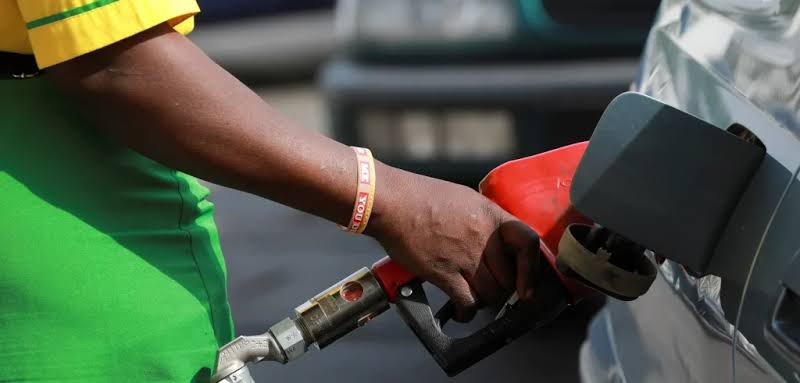
Petrol Prices May Reach ₦2,000 Amid Middle East Conflict
Surge in Petrol Prices Strains Nigerian Households

Middle East Conflict's Impact on Nigerian Businesses
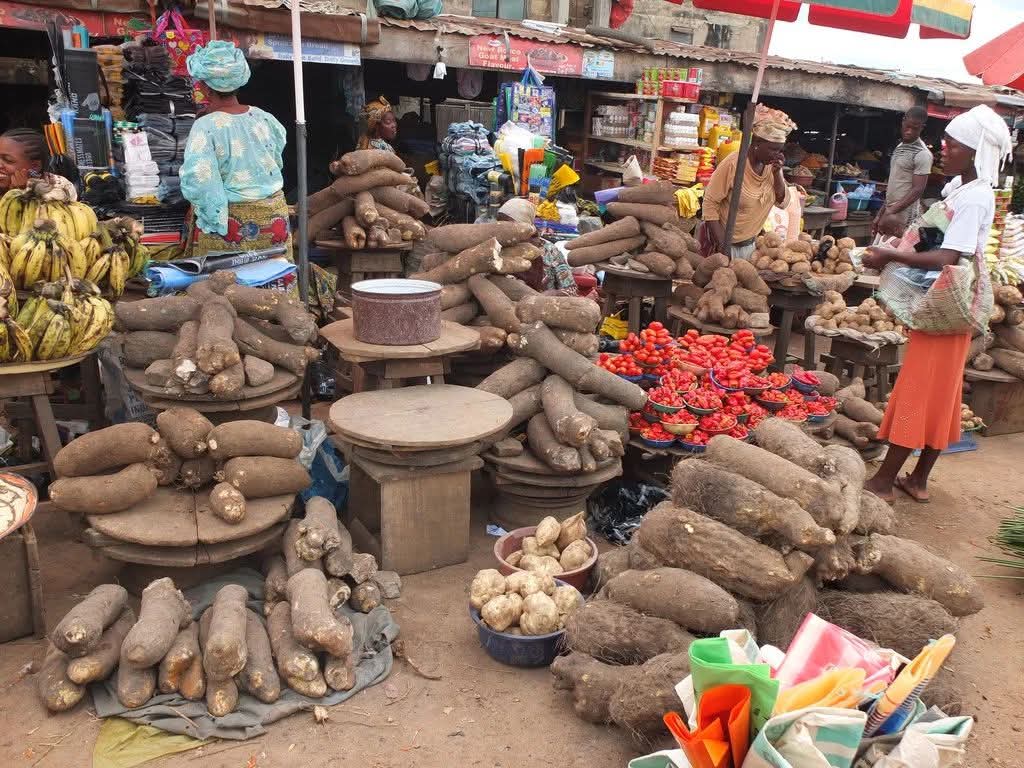
Citizens Urge Government to Address Rising Food Prices
Petrol Prices in Nigeria May Reach N1,000 Amid Crisis
Get Plus234Feed on messaging apps
Same headlines, delivered where you already scroll.


