

Analysis of Nigeria's Renewable Energy Landscape Reveals Implementation Gaps and Funding Challenges

The article delves into Nigeria's Renewable Energy Landscape, highlighting the need to address gaps in policy implementation, funding, and infrastructure to achieve the country's ambitious net-zero emissions target by 2060. While Nigeria's Energy Transition Plan (ETP) outlines pathways for decarbonization in sectors like power, transport, and industry, actual implementation remains a challenge due to a lack of adequate financing.
Initiatives like the Nigeria Electricity Program (NEP) and Rural Electrification Agency (REA) have made strides in deploying off-grid solar solutions, but large-scale grid-connected renewable projects face delays and financial constraints. The Nigeria National Petroleum Company Limited (NNPCL) is criticized for its limited focus on renewable energy projects, with most efforts concentrated on gas-based activities.
The absence of visible renewable investments and a lack of renewable energy mandates pose significant obstacles to achieving deep decarbonization in line with Nigeria's 2060 net-zero goal.
Plus234Feed summary based on reporting from This Day. Read the original report below.
Read full article
Continue on This Day
Get the week in one email
Top stories, NPFL results, the naira — every Friday morning. Free, one email a week.
Related Stories

Nigeria's Struggle with Global Energy Transition Challenges

Nigeria's Renewable Energy Investment Surges to $250M, Impacting 1M Lives

Expert Outlines 7 Steps for Nigeria to Lead Africa in Energy by 2035
Experts Call for Data-Driven Energy Transition in Nigeria
Nigerian Reps Launch Probe into Renewable Energy Grants
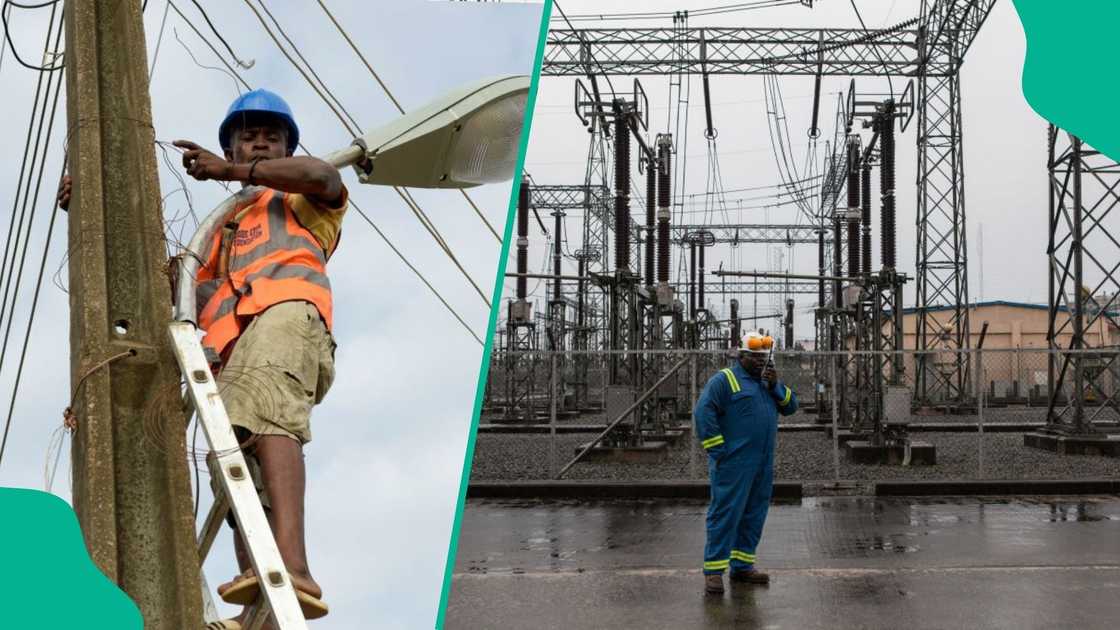
Nigeria's Power Sector Struggles as Plants Operate Below Capacity, NERC Reports
Get Plus234Feed on messaging apps
Same headlines, delivered where you already scroll.


