

Murtala Mohammed: Legacy of African Liberation 50 Years On

The article reflects on the legacy of Murtala Ramat Mohammed, who was assassinated on February 13, 1976, after serving as Nigeria's head of state for 180 days. His leadership marked a decisive shift in Nigeria's foreign policy towards supporting African liberation movements, particularly against apartheid in South Africa and colonial rule in Angola and Mozambique.
At the OAU summit in Addis Ababa in 1976, he declared Africa would no longer be under the influence of external powers. His administration provided financial and diplomatic support to liberation movements, asserting African sovereignty.
Despite his brief tenure, Mohammed's policies laid the groundwork for significant changes in the continent's political landscape, influencing the trajectory of liberation efforts in Southern Africa. His assassination is viewed as a martyrdom that halted a transformative momentum in African politics, yet his vision for African unity and independence continues to resonate.
Plus234Feed summary based on reporting from This Day. Read the original report below.
Read full article
Continue on This Day
Get the week in one email
Top stories, NPFL results, the naira — every Friday morning. Free, one email a week.
Related Stories

Murtala Mohammed's Legacy: 50 Years of Nigerian Change
Murtala Muhammed's Legacy: 50 Years After Assassination
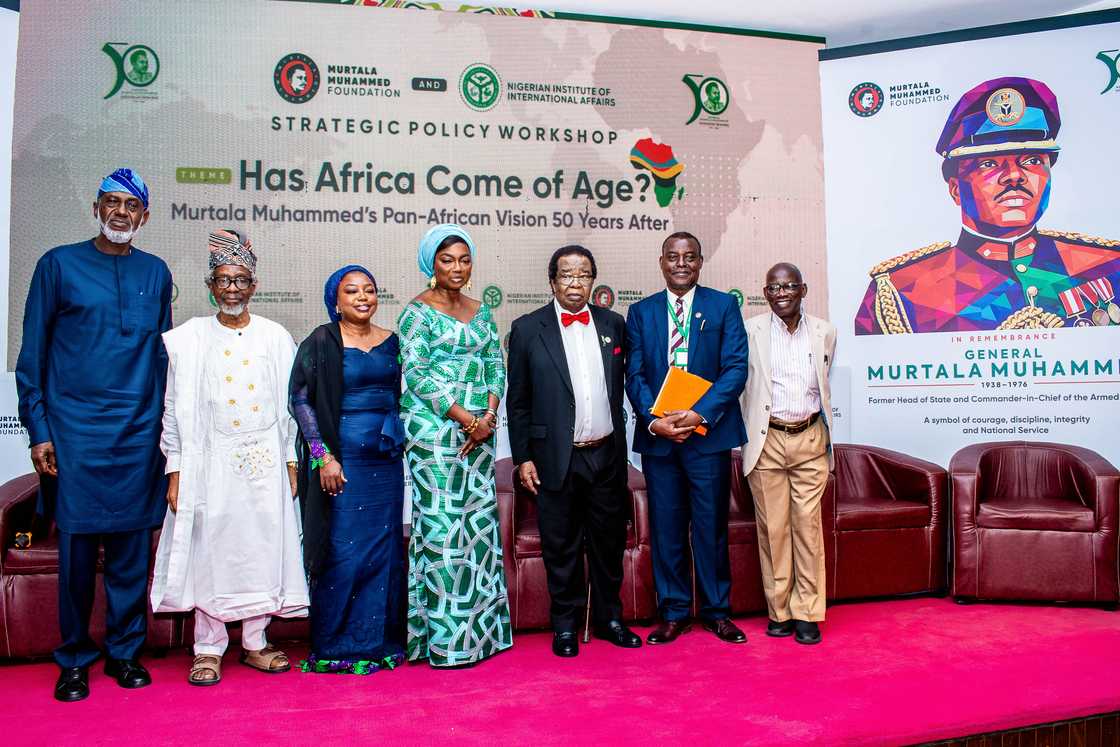
Workshop Commemorating Murtala Muhammed's 50th Anniversary Urges African Leaders to Resist Foreign Dictatorship
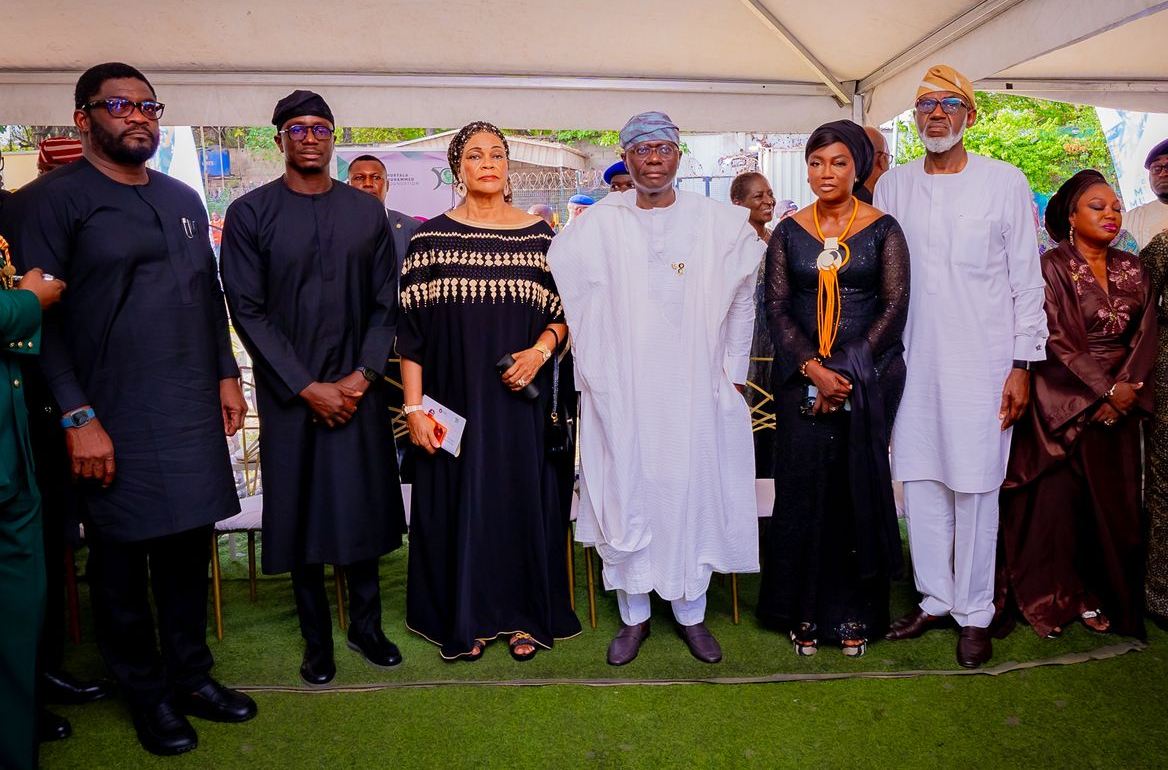
Nigerian Leaders Commemorate 50th Anniversary of Murtala Muhammed's Death
Gen Murtala Muhammed Honored in Abuja Ceremony
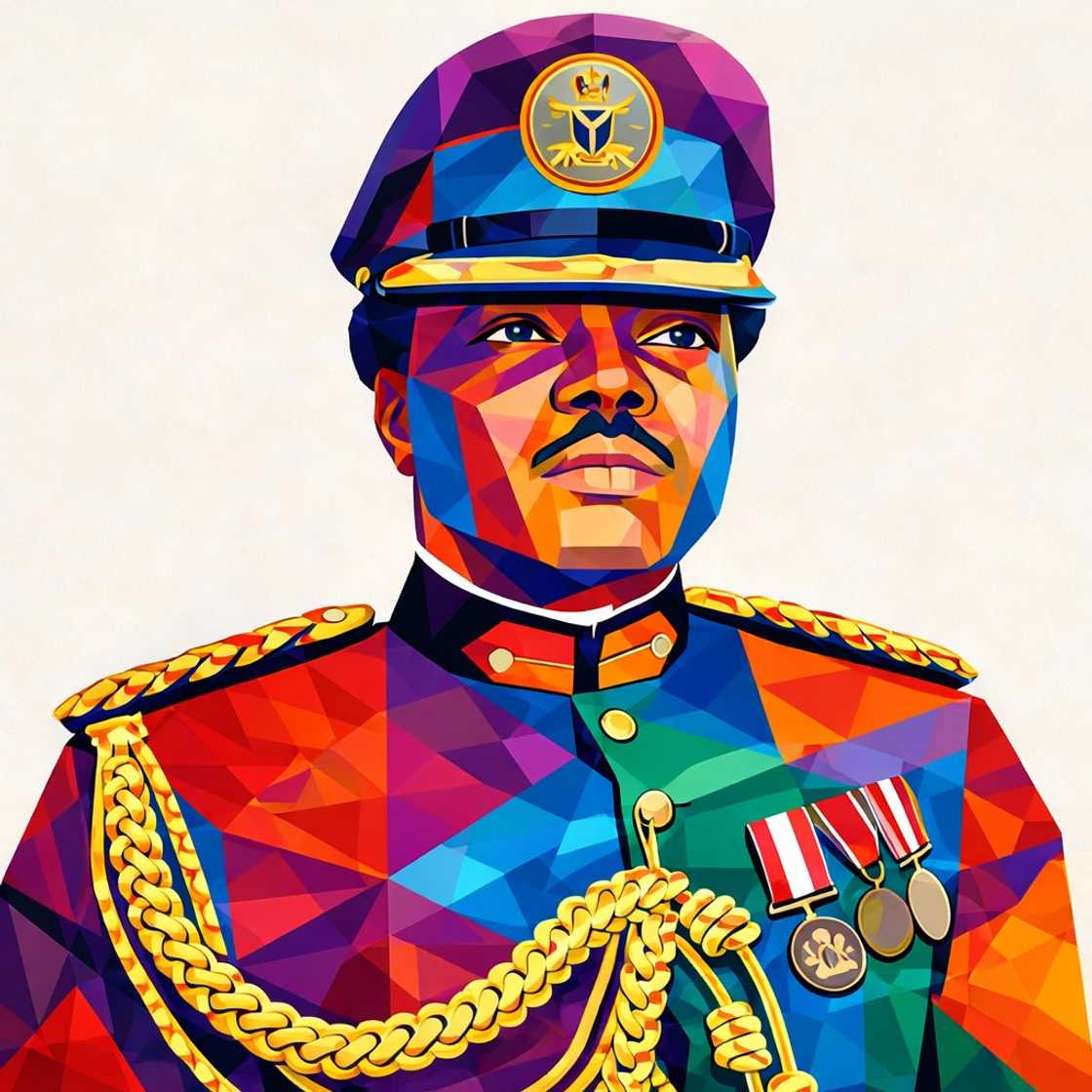
Murtala Muhammed Foundation Plans Events to Mark 50th Anniversary of General Muhammed's Assassination
Get Plus234Feed on messaging apps
Same headlines, delivered where you already scroll.


