

Tinubu's Presidency: Economic Reforms and National Unity

Bola Ahmed Tinubu, before becoming President of Nigeria, was a significant political figure in the struggle against military rule, particularly following the annulment of the June 12, 1993 presidential election. He was detained and later became involved with the National Democratic Coalition (NADECO), living in exile while advocating for democracy.
His contributions are part of Nigeria's pro-democracy history. Unlike Sir Abubakar Tafawa Balewa, who focused on establishing institutions during independence, Tinubu's administration addresses the need to strengthen existing institutions amidst insecurity and economic pressures.
His government emphasizes national integration and economic reform, learning from past leaders like General Yakubu Gowon, who highlighted the importance of national unity during the civil war era. Tinubu's administration has undertaken significant reforms, including the removal of the petrol subsidy and changes to the foreign-exchange regime, aiming for fiscal stability and national cohesion.
Plus234Feed summary based on reporting from Blueprint. Read the original report below.
Read full article
Continue on Blueprint
Get the week in one email
Top stories, NPFL results, the naira — every Friday morning. Free, one email a week.
Related Stories
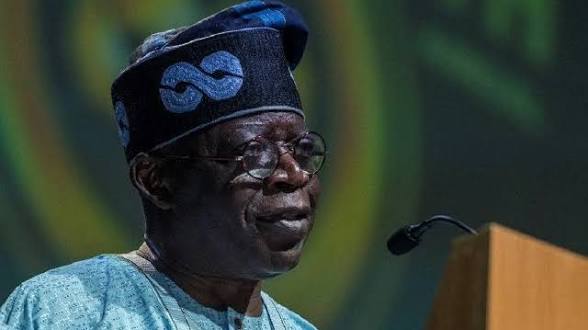
Tinubu's Economic Reforms Drive Nigeria's Growth in 2026
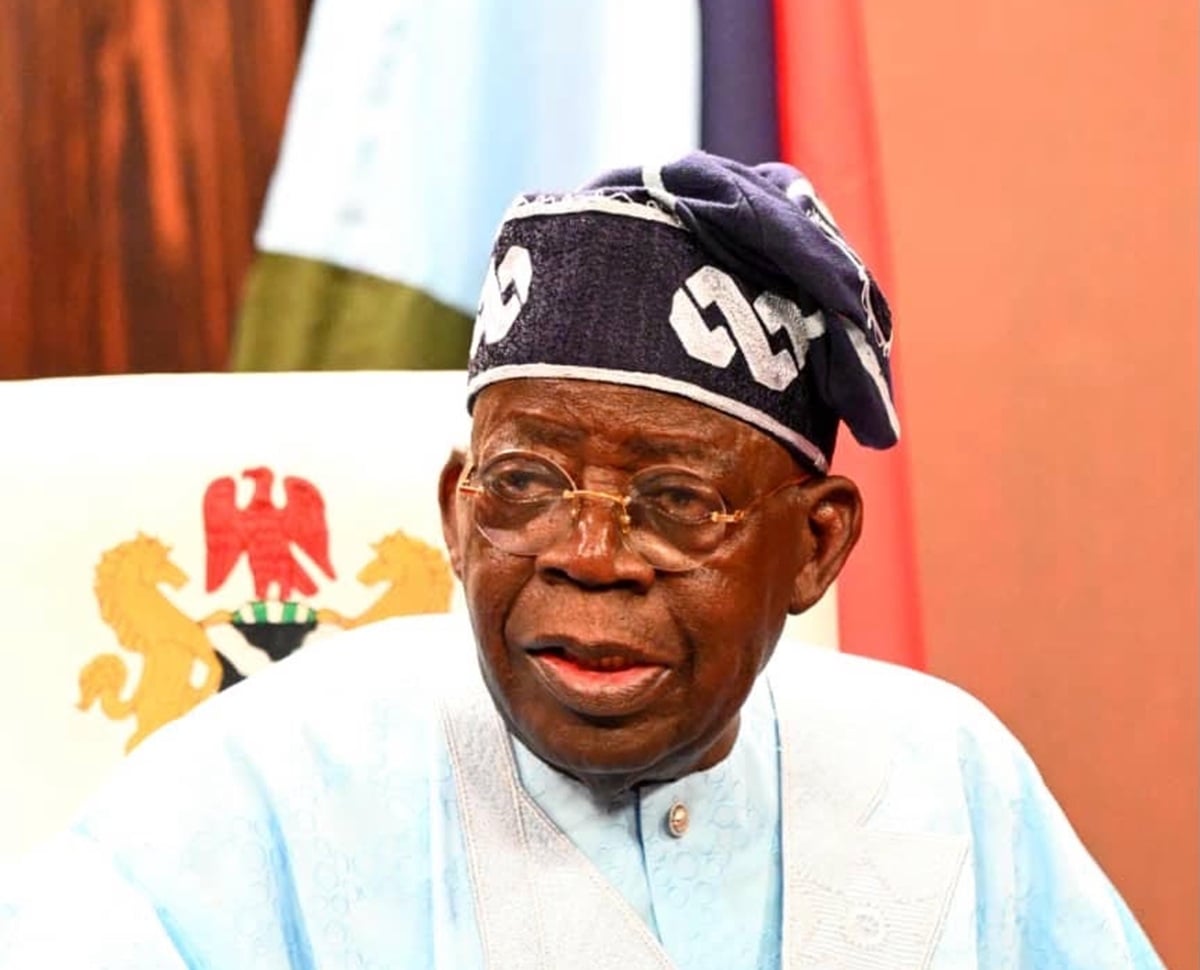
Tinubu Reflects on Nigeria's Independence Amid Challenges
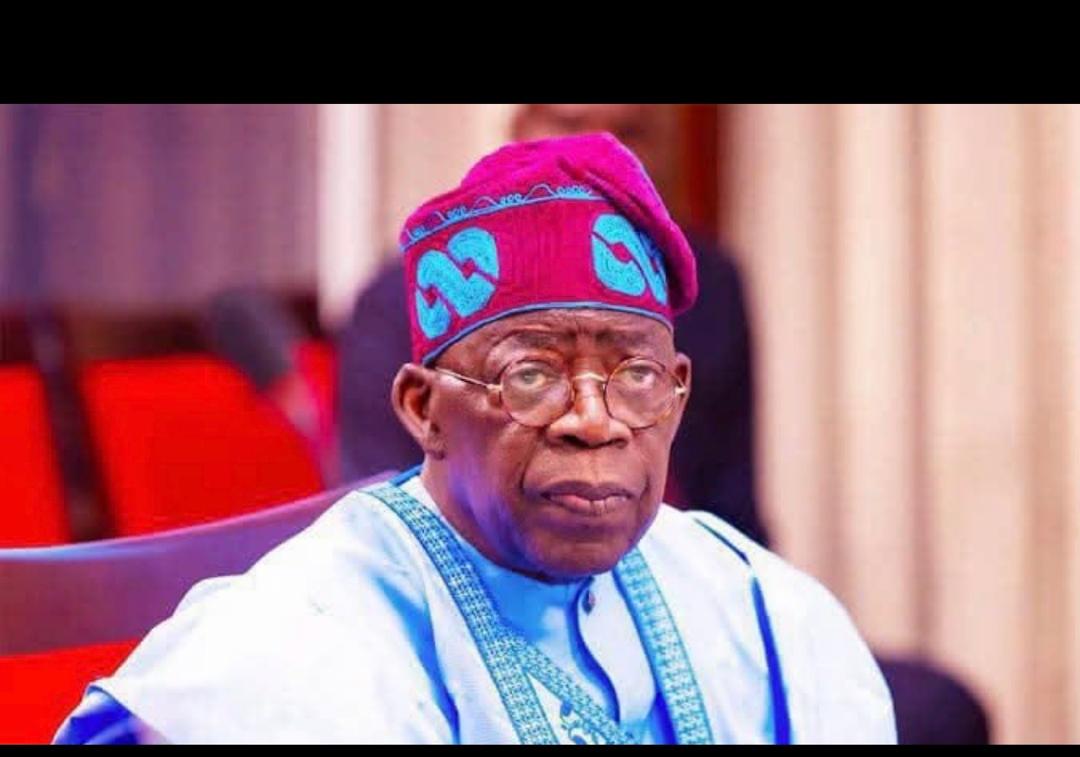
Tinubu Promises Job Creation and Industrial Growth in Nigeria
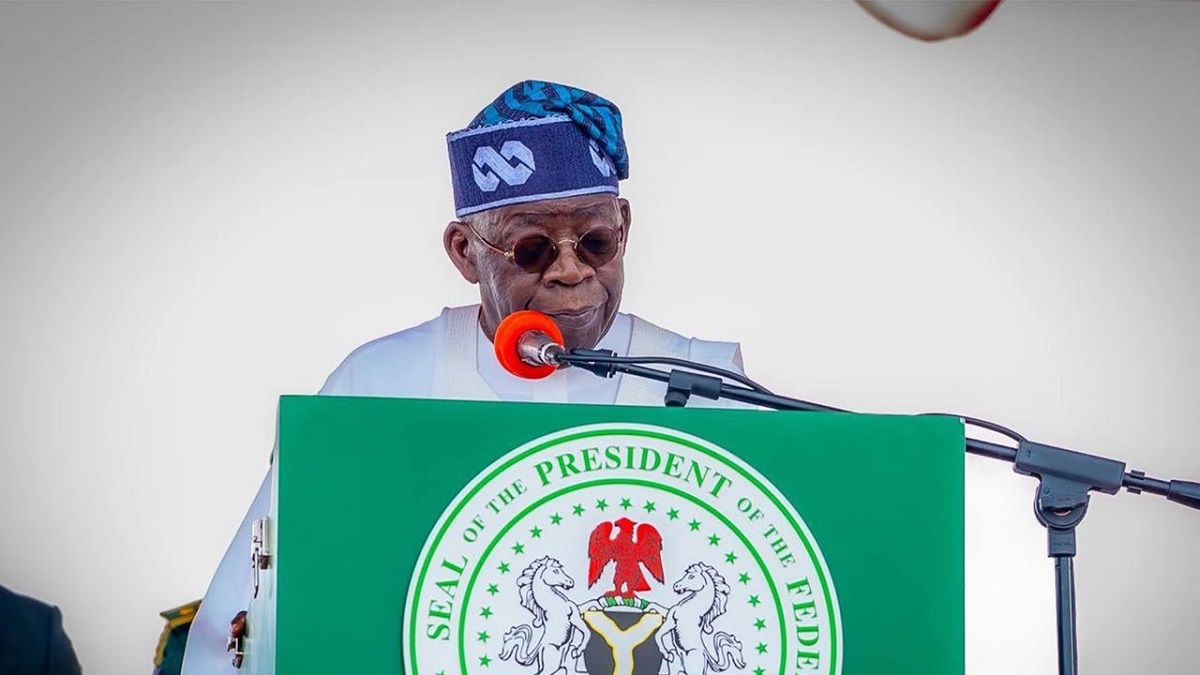
Tinubu Shifts Focus to Prosperity in Independence Day Speech
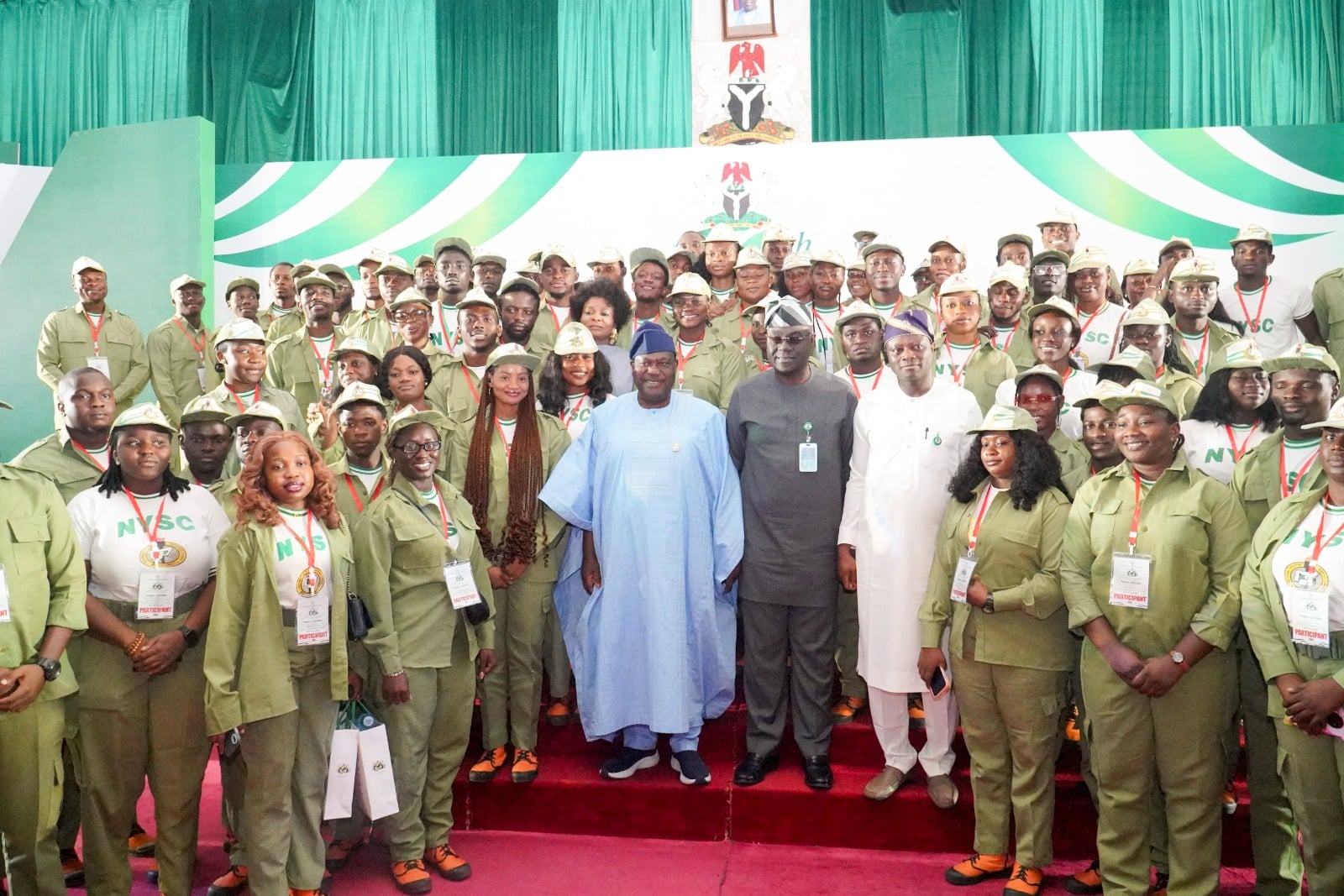
Akume: Tinubu's Reforms Vital for Nigeria's Economic Stability
Tinubu Shifts Nigeria's Economic Focus to Shared Prosperity
Get Plus234Feed on messaging apps
Same headlines, delivered where you already scroll.


