

Tinubu's Economic Reforms Drive Nigeria's Growth in 2026

As Nigeria marks 66 years of independence on October 1, President Bola Ahmed Tinubu's administration has implemented substantial economic reforms since he took office over three years ago. Tinubu inherited an economy burdened by costly petrol subsidies, multiple exchange rates, and declining investor confidence.
His administration removed the petrol subsidy, liberalized exchange rates, and initiated tighter monetary policies, resulting in immediate challenges such as increased petrol prices and a depreciated naira. However, by 2026, Nigeria's real GDP showed growth of 4.43% year-on-year in the second quarter, supported by both oil and non-oil sectors, as reported by the National Bureau of Statistics.
The International Monetary Fund acknowledged the positive impact of these reforms on macroeconomic stability and foreign-exchange market functionality. Notably, N6.47 trillion was allocated for strategic infrastructure from June 2023 to December 2025, with significant investments in highways.
Muda Yusuf, CEO of the Centre for the Promotion of Private Enterprise, noted that while stability has improved, it must translate into productivity and better living standards for Nigerians.
Plus234Feed summary based on reporting from Blueprint. Read the original report below.
Read full article
Continue on Blueprint
Get the week in one email
Top stories, NPFL results, the naira — every Friday morning. Free, one email a week.
Related Stories
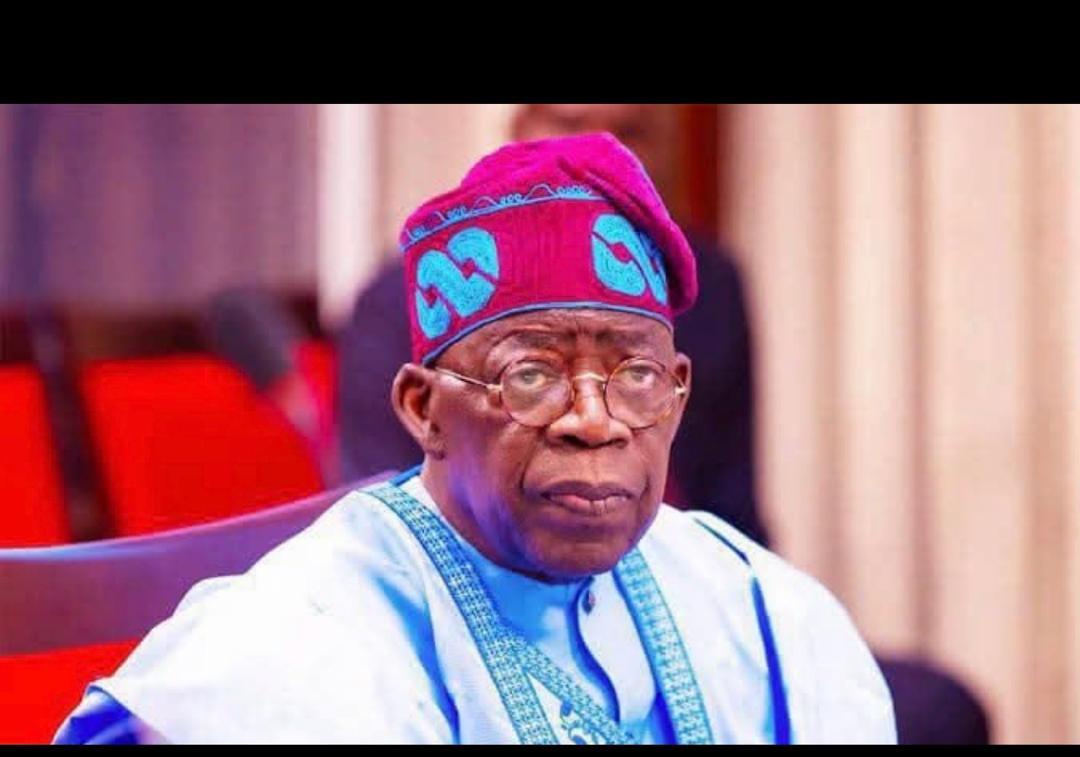
Tinubu Commits to Lowering Living Costs in Nigeria
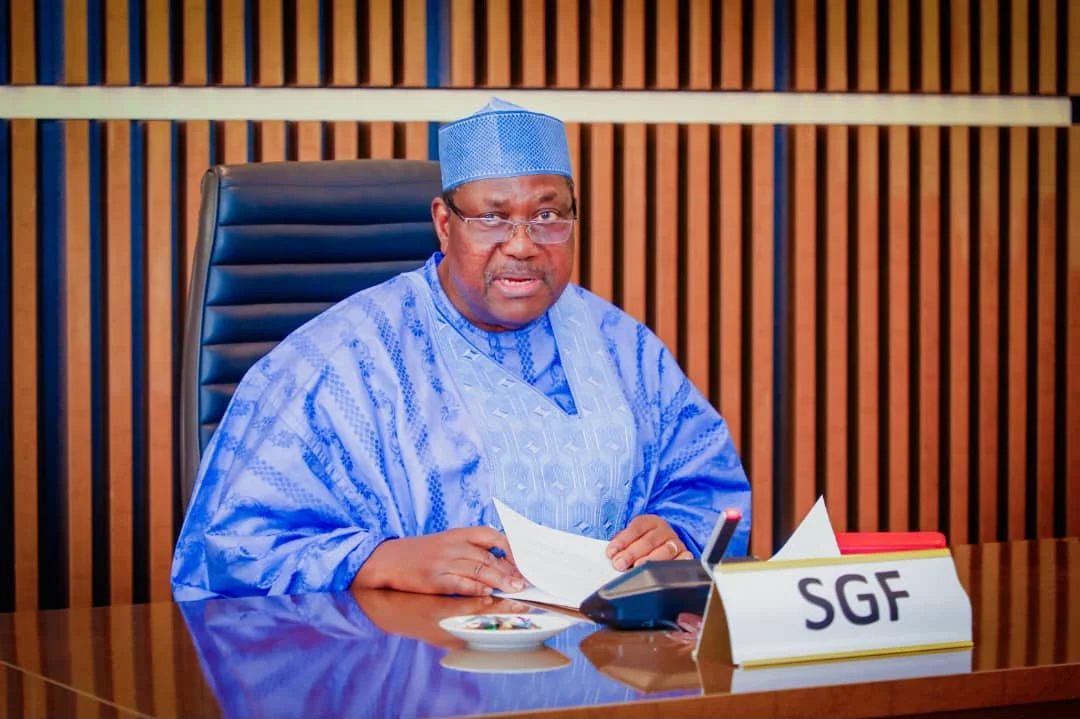
Tinubu's Economic Reforms Lead to 4.2% GDP Growth
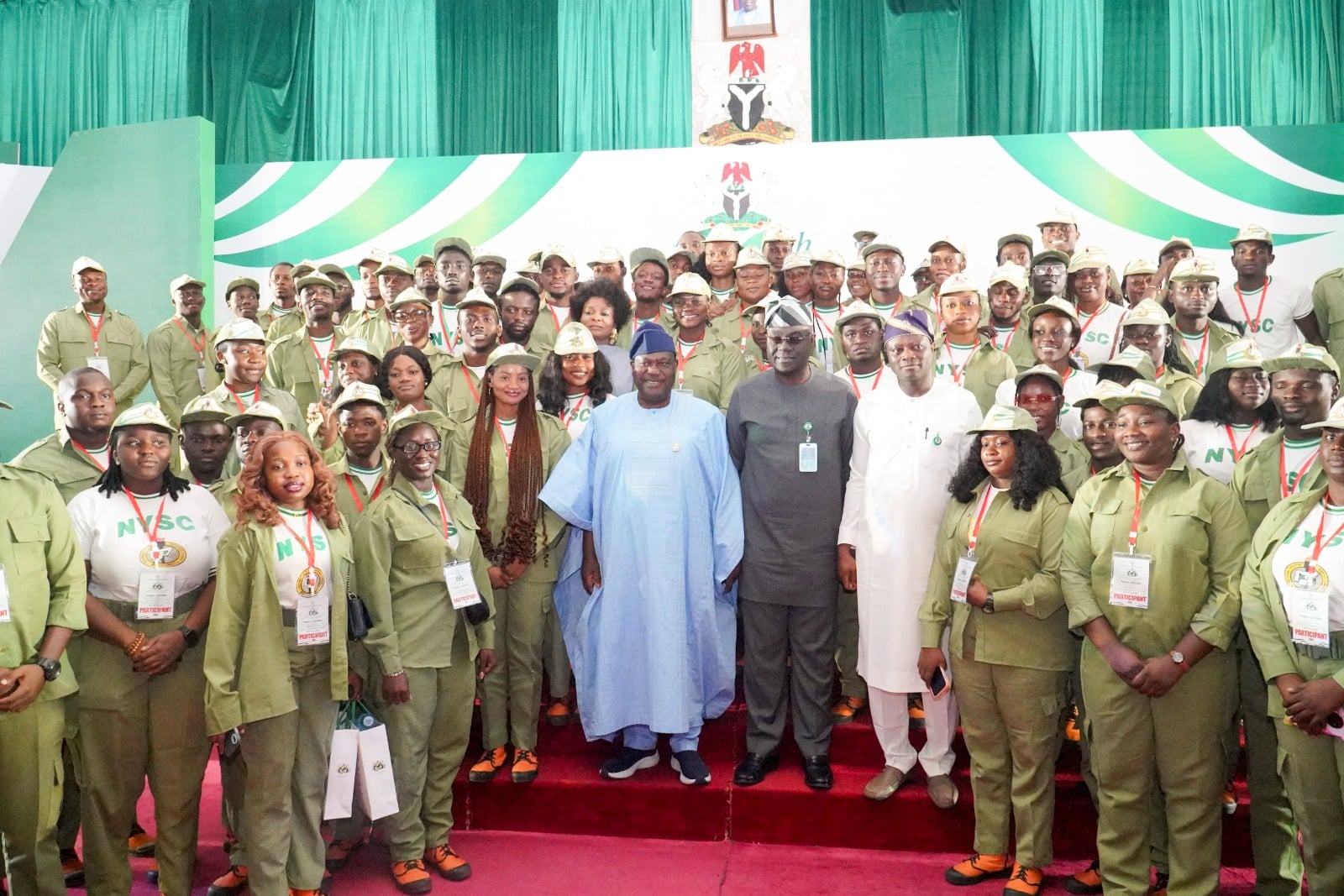
Akume: Tinubu's Reforms Vital for Nigeria's Economic Stability
Tinubu's Economic Reforms Boost Nigeria's Fiscal Health
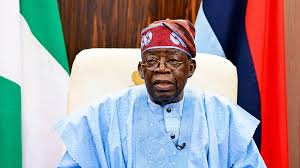
Tinubu Shifts Nigeria's Economic Focus to Shared Prosperity
Tinubu: Northern Nigeria to Gain from Economic Reforms
Get Plus234Feed on messaging apps
Same headlines, delivered where you already scroll.


