
Nigeria's Food Security Crisis: Climate Change and Waste Issues

Nigeria is at a critical juncture regarding its food security, as highlighted by Prof. Adeoluwa Olugbenga in Abuja. The country has spent approximately ₦1.18 trillion on food imports, while around 40% of locally produced food is wasted.
This situation raises concerns about the effectiveness of Nigeria's agricultural policies in addressing the challenges posed by climate change, which is altering rainfall patterns and increasing the frequency of droughts. The debate centers on how to build a resilient food system that can withstand environmental, economic, and demographic pressures.
The National Biosafety Management Agency (NBMA), established in 2015, has approved over 25 genetically modified (GM) products, including GM beans and Tela maize. Proponents argue that biotechnology can enhance agricultural productivity, while opponents raise concerns about its long-term effects on biodiversity and farmers' livelihoods.
This ongoing controversy underscores the need for a comprehensive review of agricultural strategies in Nigeria.
Plus234Feed summary based on reporting from This Day. Read the original report below.
Read full article
Continue on This Day
Get the week in one email
Top stories, NPFL results, the naira — every Friday morning. Free, one email a week.
Related Stories
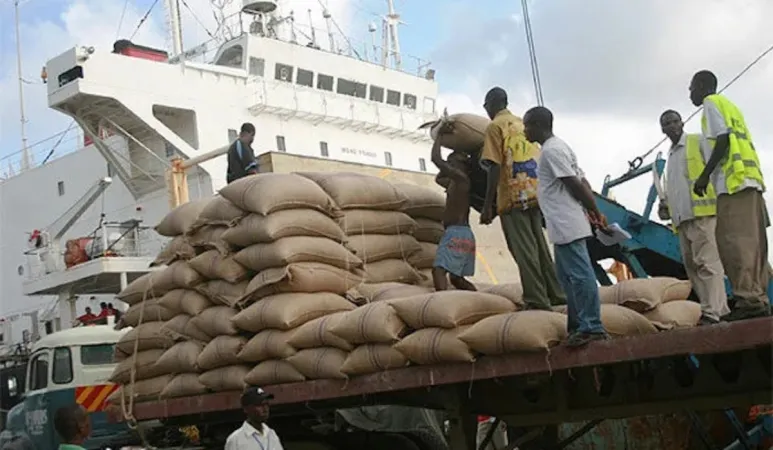
Nigeria's Food Import Bill Hits N3.30 Trillion in H1 2026
OTACCWA's Isong Calls for Cold Chain Investment to Reduce Food Loss

Niger Governor Bago Addresses $3 Billion Food Imports
Nigeria's Agric Trade Deficit Hits N400.78bn in Q2 2026
Nigeria Faces Agricultural Trade Deficit Amid Import Waivers
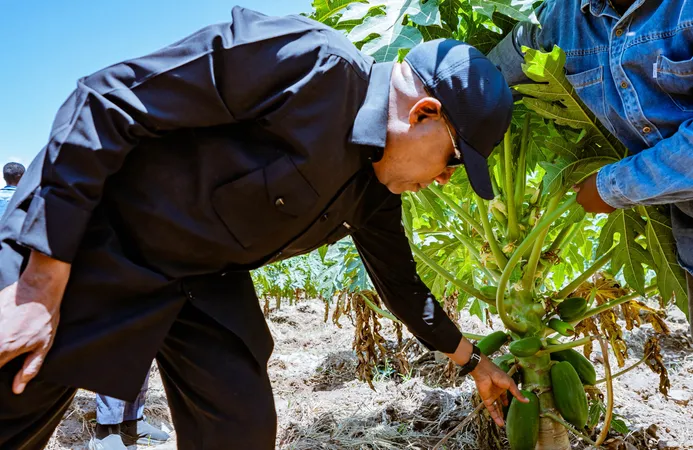
Nigeria's Senator Shettima Launches Infrastructure for Agriculture
Get Plus234Feed on messaging apps
Same headlines, delivered where you already scroll.