

Nigeria's 66 Years of Independence Marked by Corruption

Nigeria gained independence on October 1, 1960, ending nearly a century of British colonial rule, which was celebrated with high hopes for the nation's future. However, leadership quality has been a persistent issue, with systemic corruption undermining progress since independence.
Corruption has been a significant factor in military coups, including those led by Gen. Muhammadu Buhari and Murtala Mohammed. The Economic and Financial Crimes Commission (EFCC) and the Independent Corrupt Practices and Other Related Offences Commission (ICPC), established during the Obasanjo administration, have struggled to combat corruption effectively.
As a result, Nigeria continues to lag in human development indices, grappling with issues such as food insecurity, inadequate electricity, and rising unemployment. Security threats, including terrorism, armed banditry, and kidnapping, have further exacerbated the situation, displacing hundreds of thousands of Nigerians and challenging the government's responsibility to protect its citizens.
Plus234Feed summary based on reporting from Blueprint. Read the original report below.
Read full article
Continue on Blueprint
Get the week in one email
Top stories, NPFL results, the naira — every Friday morning. Free, one email a week.
Related Stories
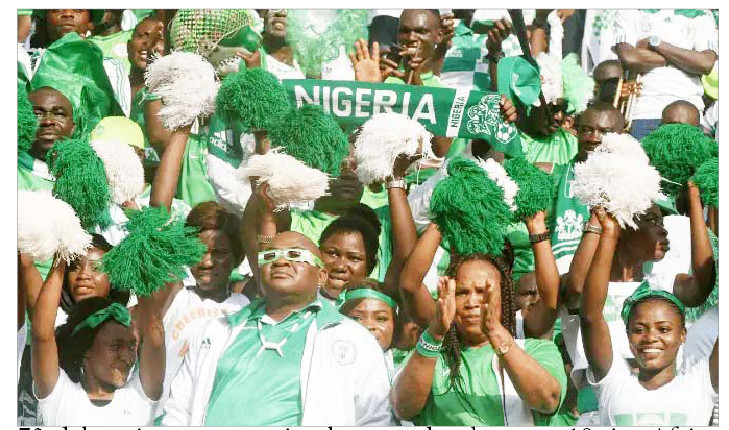
Nigeria's 66th Independence: Struggles with Governance and Security

Tinubu's Economic Reforms Amid Nigeria's Independence Reflection
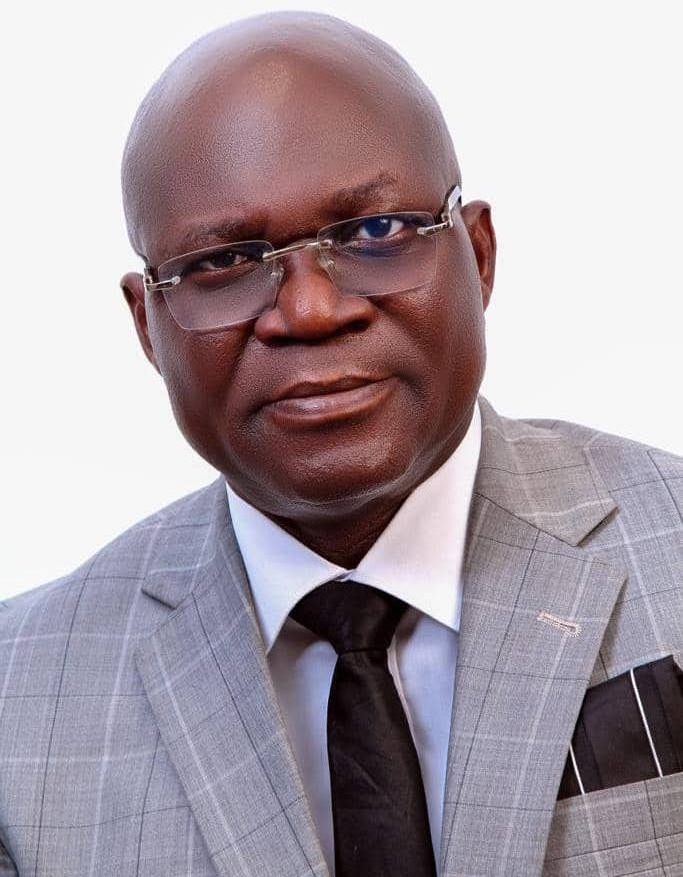
President Tinubu's Absence Raises Governance Concerns

Nigeria's 66th Anniversary: Resilience and Institutional Challenges

Dr. Akinbile Calls for National Reflection on Nigeria's 66th Anniversary
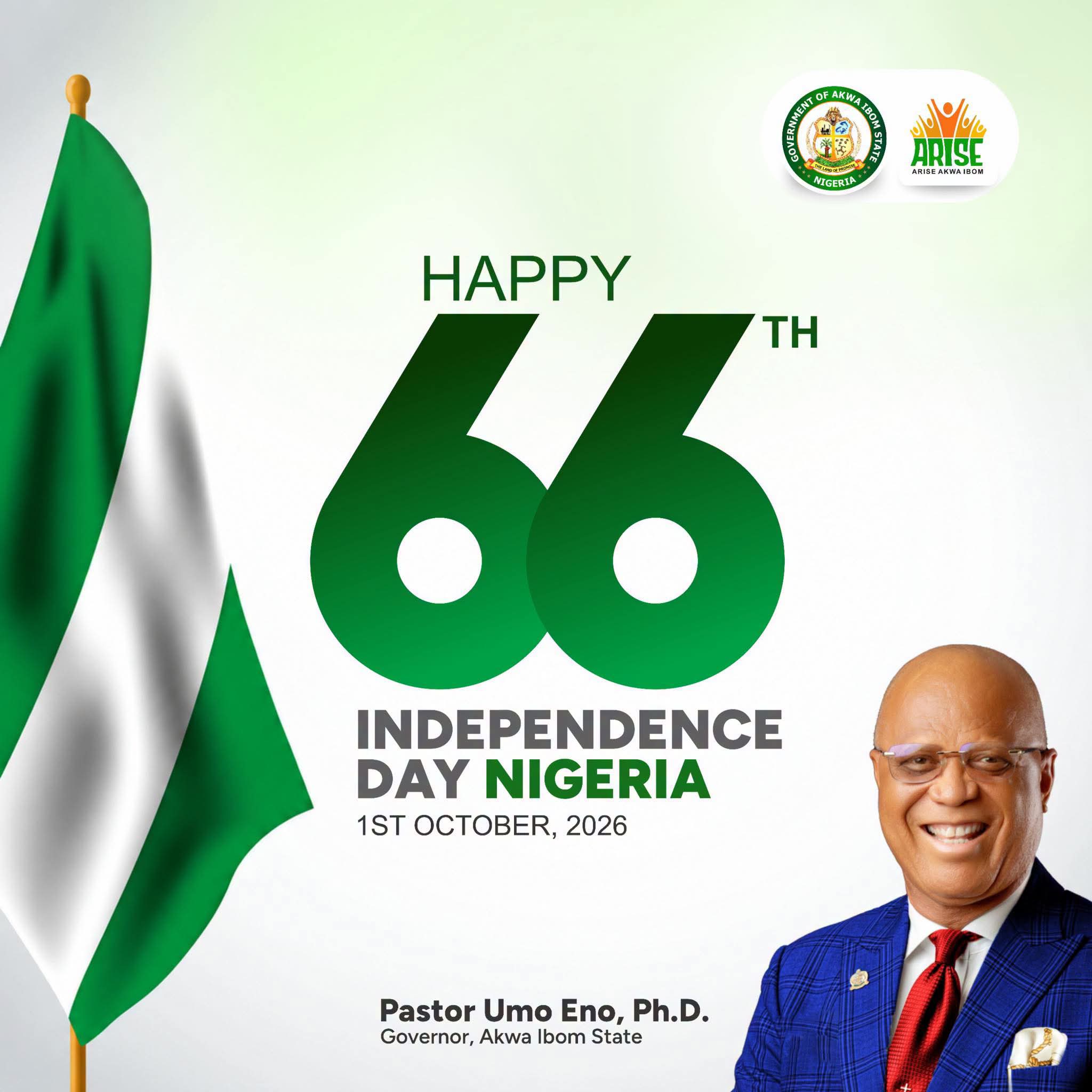
Governor Eno Celebrates Nigeria's 66th Independence Milestone
Get Plus234Feed on messaging apps
Same headlines, delivered where you already scroll.


