

Nigeria's 66th Anniversary: Resilience and Institutional Challenges

Nigeria's 66th anniversary highlights its resilience through numerous challenges, including civil war, military rule, and economic disruptions. Despite these adversities, Nigeria has produced competitive entrepreneurs and professionals.
However, many Nigerians rely on personal ingenuity due to weak public systems, indicating a need to convert talent into institutional capability. Since 1999, Nigeria has experienced its longest period of civilian rule, with the peaceful transition of power in 2015 marking a significant achievement.
While elections and governance are imperfect, the expectation for political authority to emerge through constitutional processes has taken root. The telecommunications revolution exemplifies how quickly Nigerians can adapt when constraints are lifted, demonstrating a lack of enabling systems rather than demand or ingenuity.
Additionally, Nigeria has gained global cultural influence through Nollywood, Afrobeats, and literature, enhancing its narrative power on the world stage.
Plus234Feed summary based on reporting from This Day. Read the original report below.
Read full article
Continue on This Day
Get the week in one email
Top stories, NPFL results, the naira — every Friday morning. Free, one email a week.
Related Stories

Nigeria Reflects on 66 Years of Independence Challenges
Nigeria's 66 Years of Independence Marked by Corruption
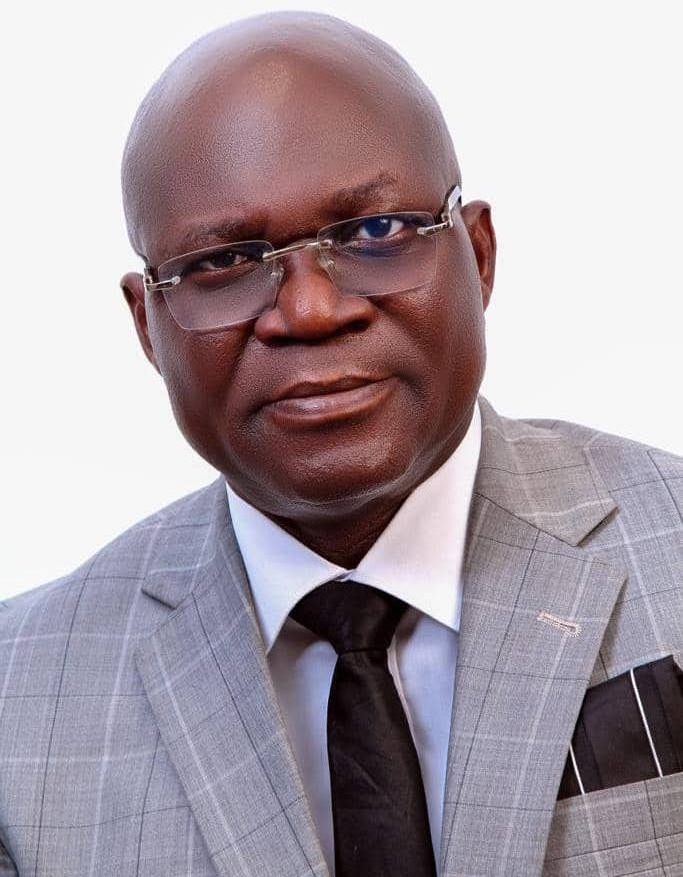
President Tinubu's Absence Raises Governance Concerns

SERAP's Kolawole Oluwadare Calls for Accountability in Nigeria
Nigeria's 66 Years: Embracing Complexity for Originality
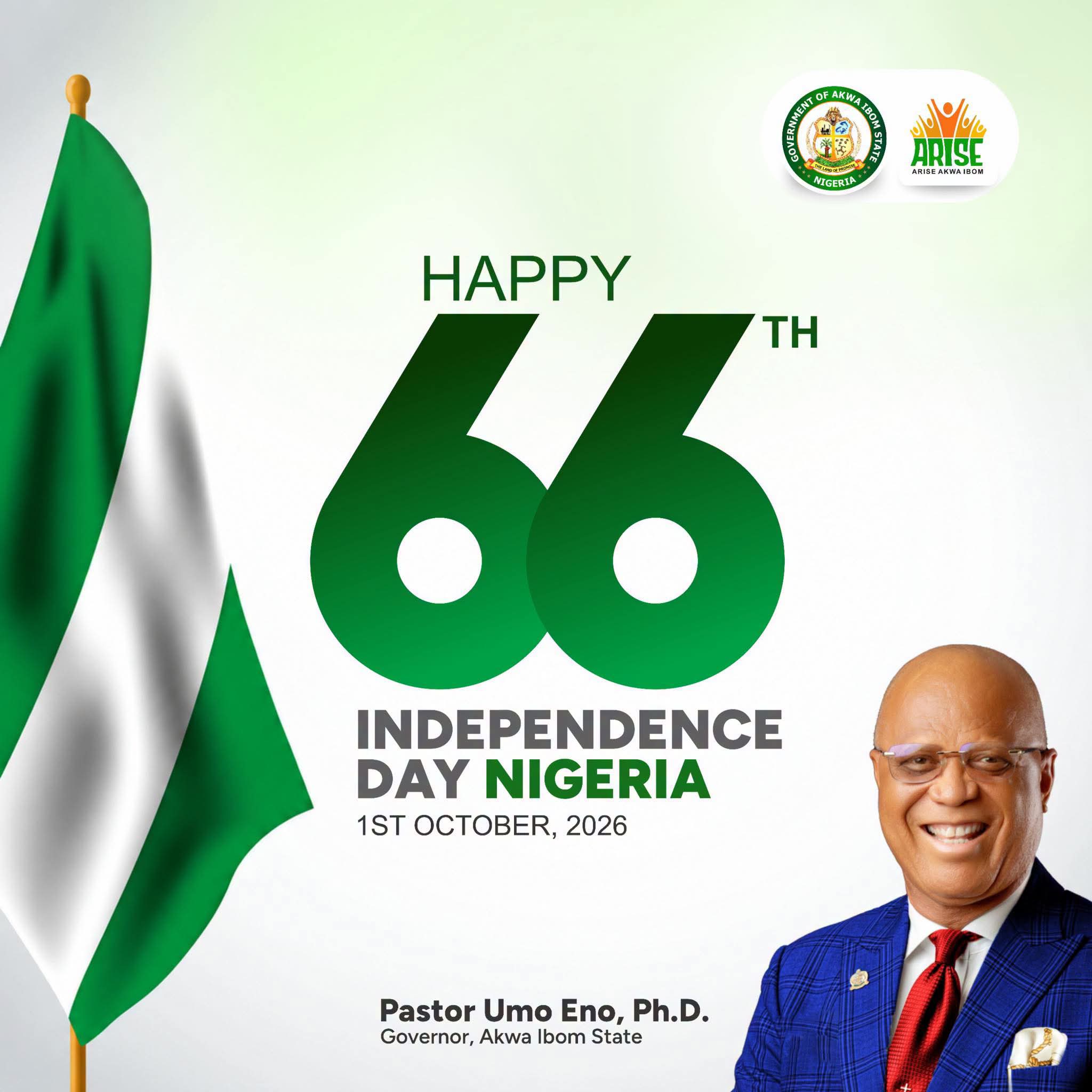
Governor Eno Celebrates Nigeria's 66th Independence Milestone
Get Plus234Feed on messaging apps
Same headlines, delivered where you already scroll.


