

Nigeria's Electricity Crisis: Economic and Climate Impacts

Nigeria faces a severe electricity crisis characterized by chronic instability and unreliability, impacting over 200 million citizens. The Nigerian Electricity Regulatory Commission (NERC) reports that the national grid has a practical capacity of 13,000 megawatts (MW), yet actual generation averages only around 4,200 MW.
Between 2020 and 2024, the grid collapsed 26 times, with nine collapses occurring in 2024 alone. Frequent power outages force households and businesses to rely on costly diesel generators, contributing to significant carbon emissions and worsening air quality.
The economic impact is substantial, with businesses reportedly losing $26 billion annually due to outages and self-generation costs. This crisis not only affects daily life but also poses long-term environmental and health risks, as emissions from diesel generators contribute to climate change and public health issues.
The interconnectedness of power issues, climate vulnerability, and environmental health underscores the urgent need for comprehensive solutions.
Plus234Feed summary based on reporting from This Day. Read the original report below.
Read full article
Continue on This Day
Get the week in one email
Top stories, NPFL results, the naira — every Friday morning. Free, one email a week.
Related Stories
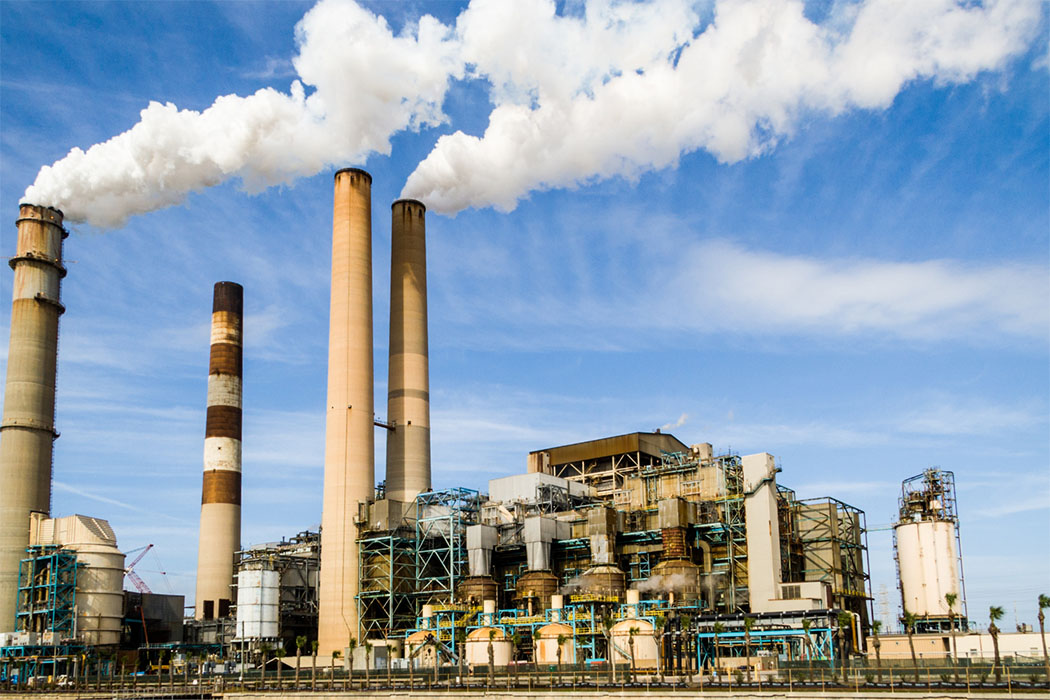
Nigeria's National Grid Faces Chronic Collapse, Affecting Power Supply and Economic Growth

Nigeria's Electricity Crisis: Economic Impact and Urgent Need for Reform

Nigeria Loses N7-10 Trillion Annually to Power Issues
Nigeria's Power Sector Faces Crisis with N6.8 Trillion Debt
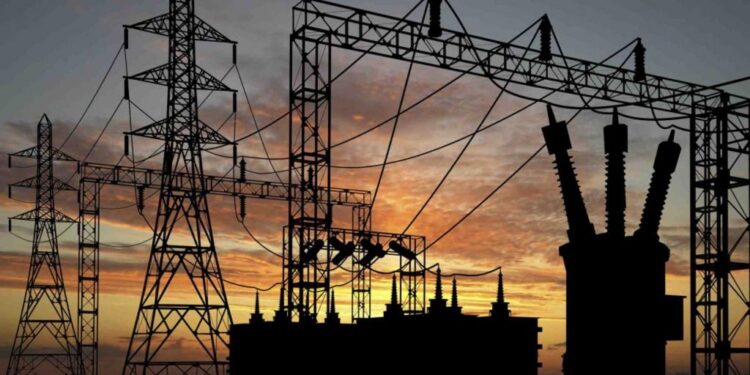
Nigeria's Power Grid Faces Shutdowns Amid Plant Failures
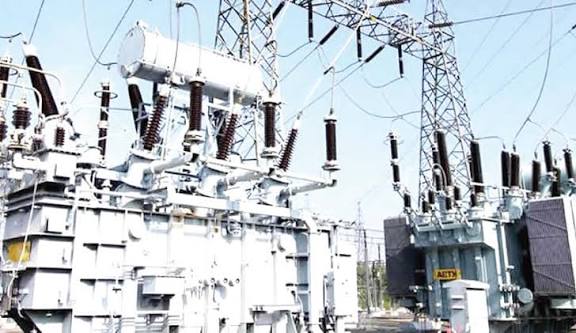
Nigeria's Power Supply Deficit: Urgent $10 Billion Investment Needed
Get Plus234Feed on messaging apps
Same headlines, delivered where you already scroll.


