

Nigeria's Power Crisis: Unreliable Supply Burdens Economy

Nigeria's power supply issues have once again taken center stage, highlighting the country's ongoing struggle with unreliable electricity. This situation has severely affected economic activities, placing an unbearable burden on millions of citizens, including small-scale traders and large manufacturing firms.
Despite the current administration's commitment to reforming the power sector and significant financial investments, there has been little to no tangible progress, raising serious concerns about transparency and efficient management. Since 2015, Nigeria has experienced 110 power grid failures, leading to frequent blackouts that disrupt daily life and expose the fragility of the power infrastructure.
Many companies have either shut down or relocated to neighboring countries with more stable power supplies. The situation has forced families to spend thousands of naira weekly on fuel for generators, diverting funds from essential needs like education and healthcare.
President Bola Tinubu has made promises for reliable power supply, but public skepticism remains high, especially following a recent apology from Minister of Power Adebayo Adelabu regarding the ongoing challenges.
Plus234Feed summary based on reporting from This Day. Read the original report below.
Read full article
Continue on This Day
Get the week in one email
Top stories, NPFL results, the naira — every Friday morning. Free, one email a week.
Related Stories

Nigeria's Power Crisis: Tinubu's Pledge for Reform

Minister Adebayo Adelabu Addresses Nigeria's Power Outages
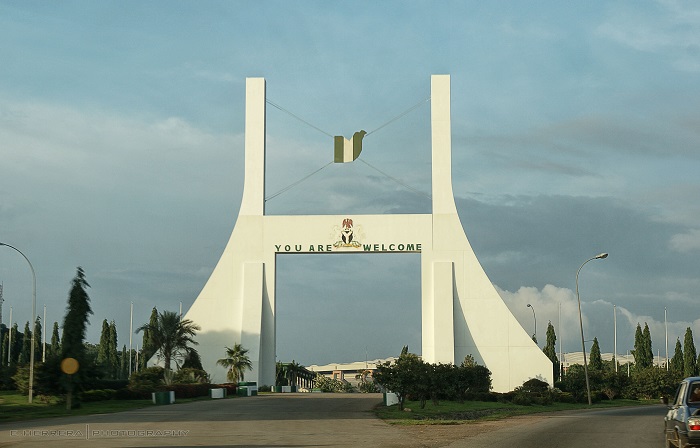
Abuja Residents Face Severe Electricity Supply Crisis
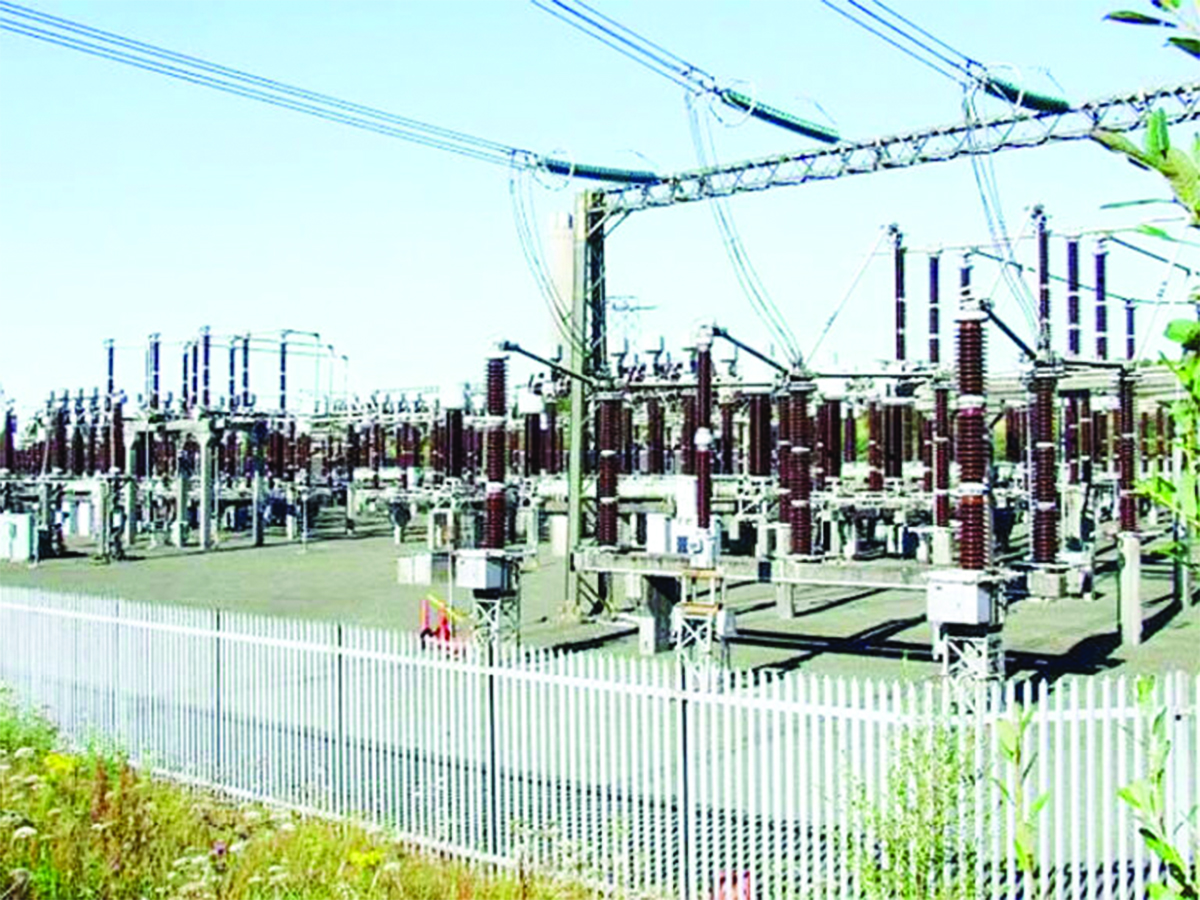
Nigeria's Power Sector Crisis: Urgent Reforms Needed
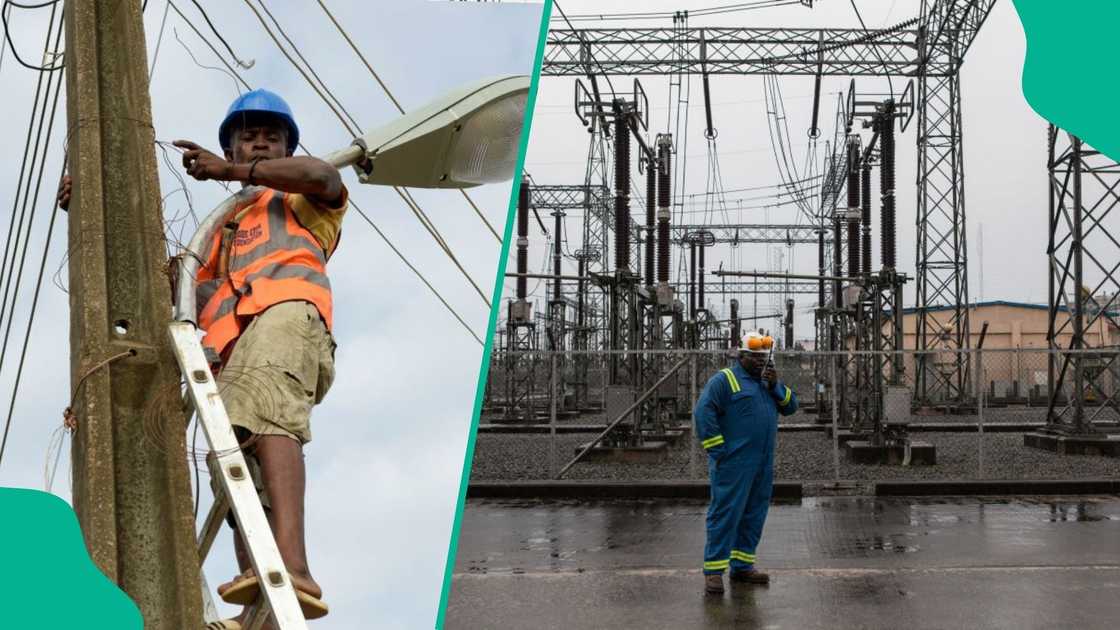
Nigeria's Power Sector Struggles as Plants Operate Below Capacity, NERC Reports
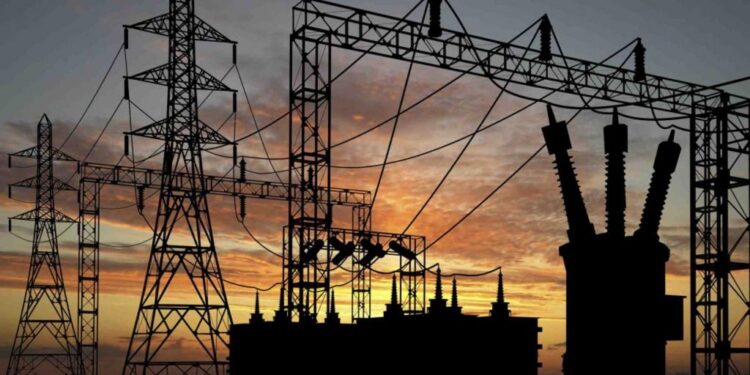
Nigeria's Power Grid Faces Shutdowns Amid Plant Failures
Get Plus234Feed on messaging apps
Same headlines, delivered where you already scroll.


