

Human Capital Development Key to Nigeria's Economic Growth
Muhammad Ali Pate discusses the critical importance of human capital in Nigeria's development, emphasizing that the nation’s greatest asset is its people. With a population projected to exceed 220 million, Nigeria has one of the largest and youngest populations globally.
However, the challenge lies not in the number of people but in making necessary investments to enable them to live healthy, educated, and productive lives. Pate highlights that economic growth and social progress depend on the health, education, and skills of the population.
He notes that President Bola Ahmed Tinubu's Renewed Hope Agenda recognizes the need for sustainable growth, which is inseparable from the quality of the nation’s human capital. Pate warns that Nigeria's youth population could either be a source of growth or instability if not adequately equipped to participate in the economy.
He stresses that investments in health, nutrition, and education are crucial for transforming the demographic dividend into economic productivity.
Plus234Feed summary based on reporting from Premium Times. Read the original report below.
Read full article
Continue on Premium Times
Get the week in one email
Top stories, NPFL results, the naira — every Friday morning. Free, one email a week.
Related Stories
Nigeria's Population Growth: Challenges and Opportunities

Northern Stakeholders Address Human Capital Challenges
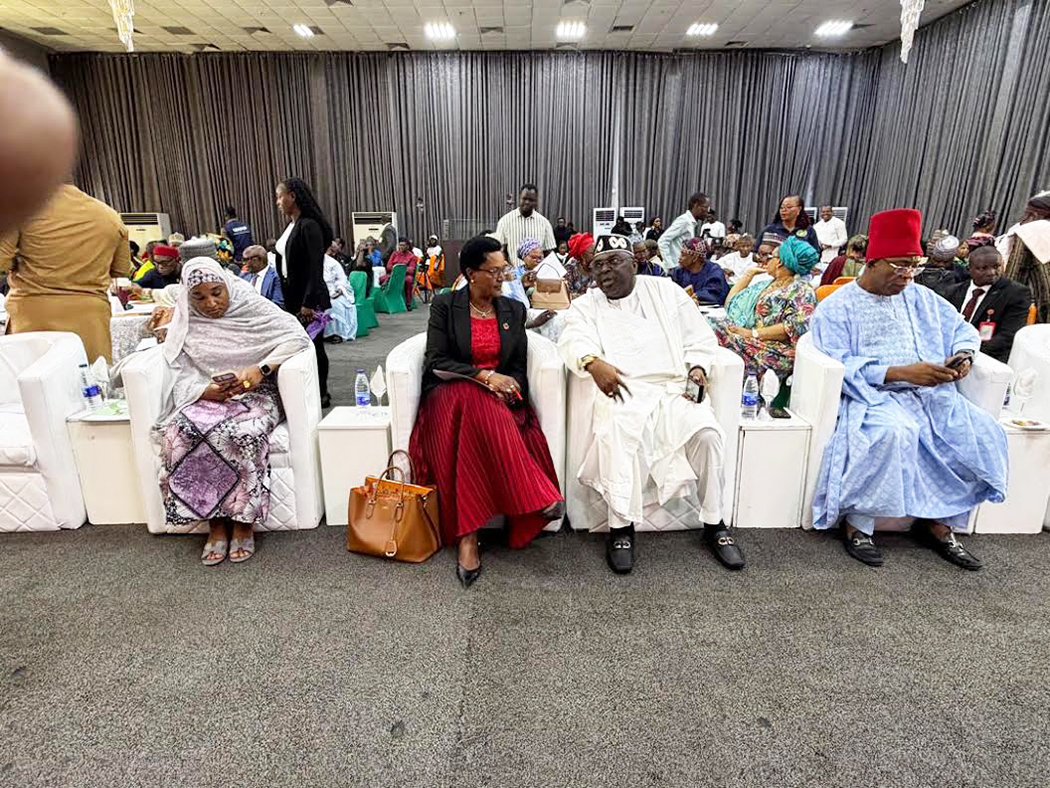
Nigeria's Youth: Unlocking Economic Potential for Growth
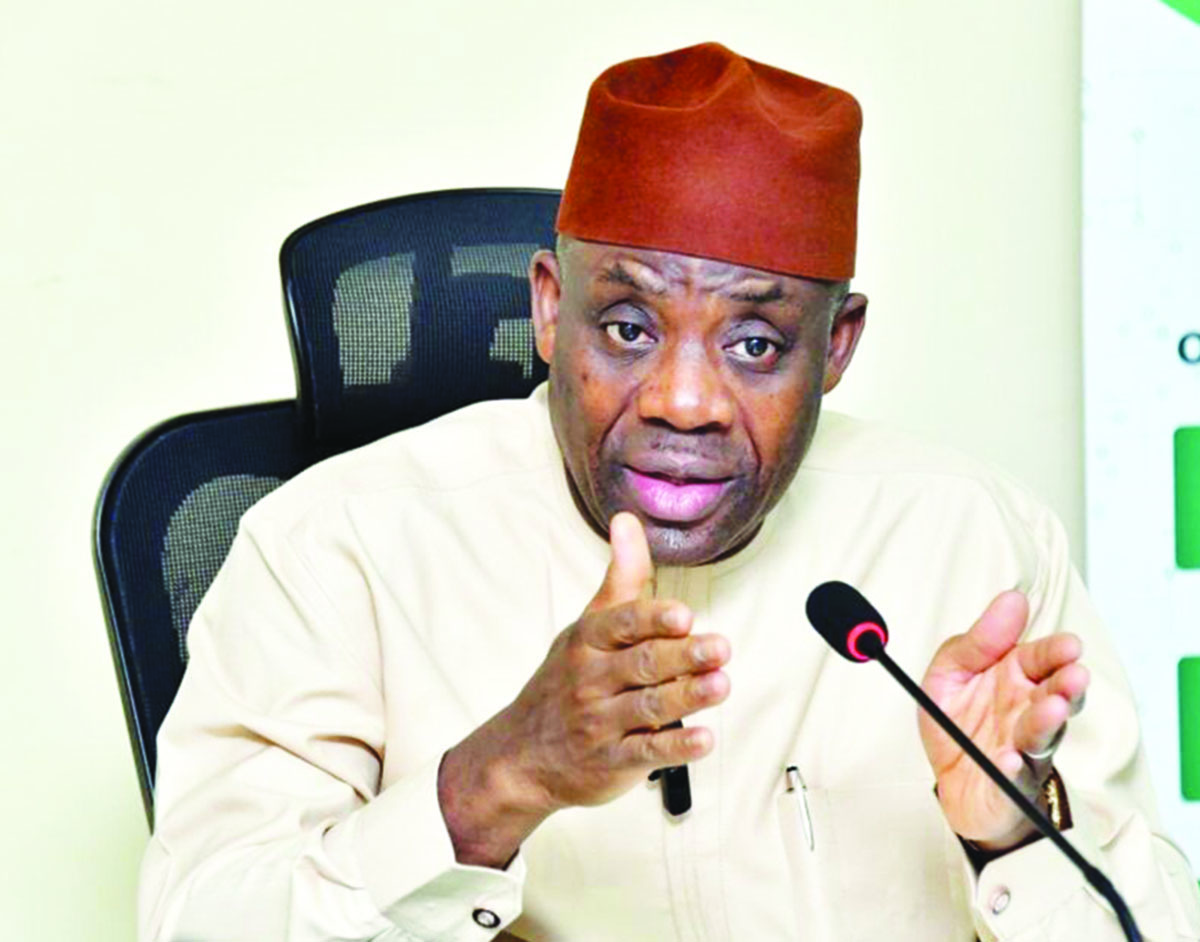
Education Key to Nigeria's $1 Trillion Economy Vision
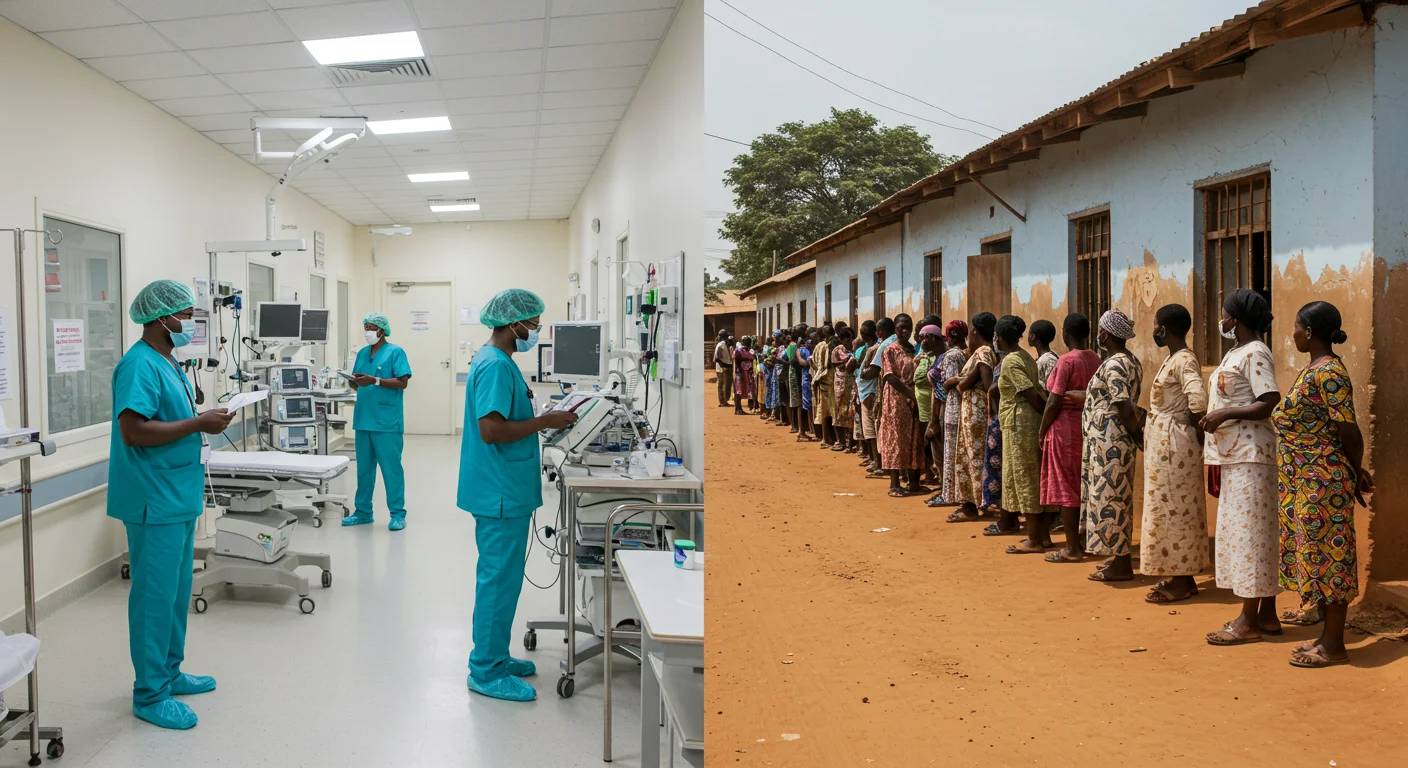
Nigerian Government Enhances Inclusive Healthcare Access
Shettima Advocates for Investment in Northern Nigeria's Human Capital
Get Plus234Feed on messaging apps
Same headlines, delivered where you already scroll.


