

Ojude Oba Festival: A Cultural Legacy of Ijebuland

The Ojude Oba festival, celebrated in Ijebuland, has its origins in a 19th-century rebellion against religious tensions during the late colonial period in Nigeria. The festival honors ancestral deities and reflects the social fabric of the region, which began to change around 1878.
This shift was marked by the arrival of Christian missionaries who successfully baptized wealthy elites in Ijebu, leading to a cultural transformation. The missionaries' strict mandates, including monogamy, created political dilemmas for influential Muslim families, particularly when they demanded divorces.
This tension resulted in the establishment of new traditions to honor the king and maintain cultural practices. The festival was officially recognized during the reign of the Awujal in 1890, who promoted religious tolerance and allowed the coexistence of traditional Yoruba religion and Islam, thus bridging the gap between different faiths and preserving the cultural heritage of the Ijebu people.
Plus234Feed summary based on reporting from Pulse. Read the original report below.
Read full article
Continue on Pulse
Get the week in one email
Top stories, NPFL results, the naira — every Friday morning. Free, one email a week.
Related Stories
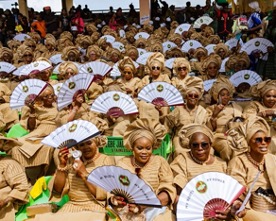
Ojude Oba Festival 2026 Celebrates Ijebu Heritage
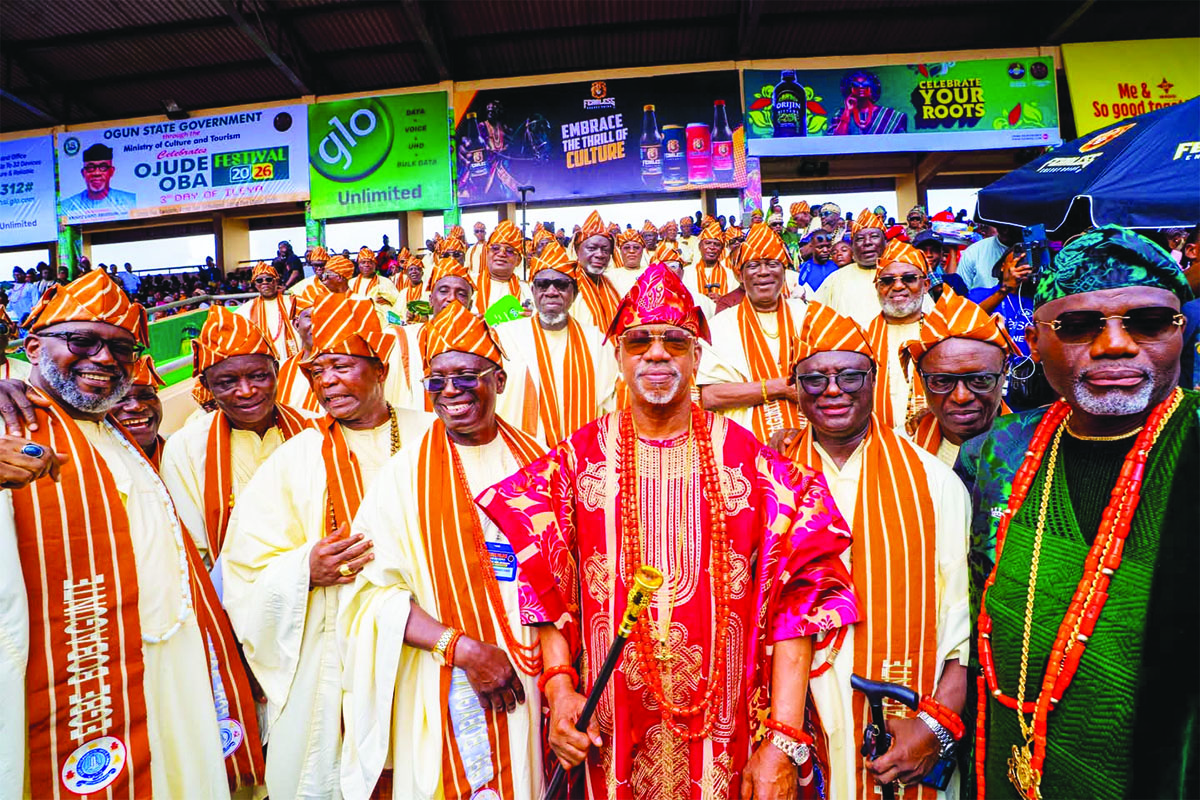
Ojude Oba Festival 2026 Celebrates Ijebuland's Heritage
Ojude Oba Festival Celebrates African Cultural Identity
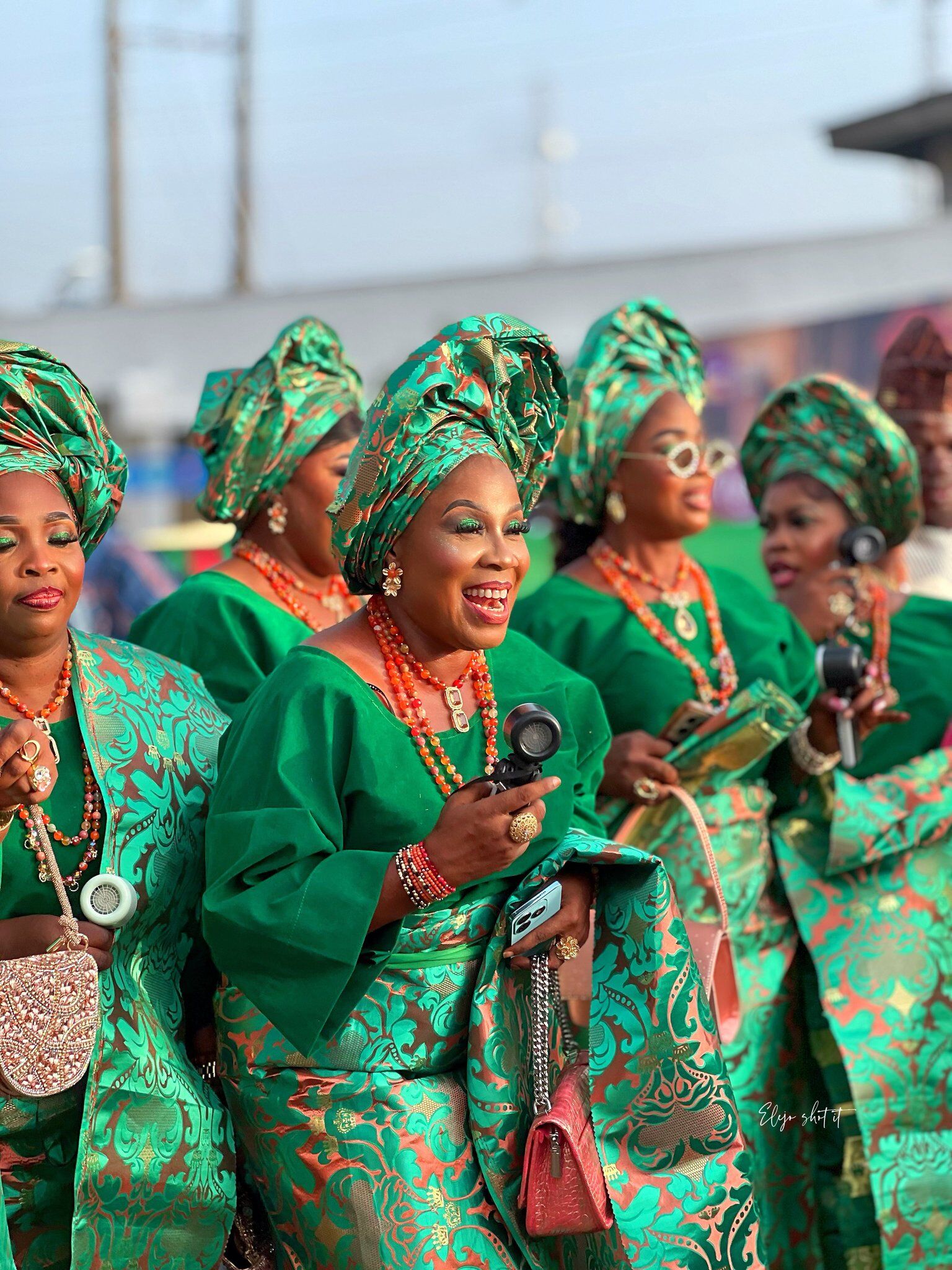
Ojude Oba Festival 2026: Celebrating Ijebu Culture
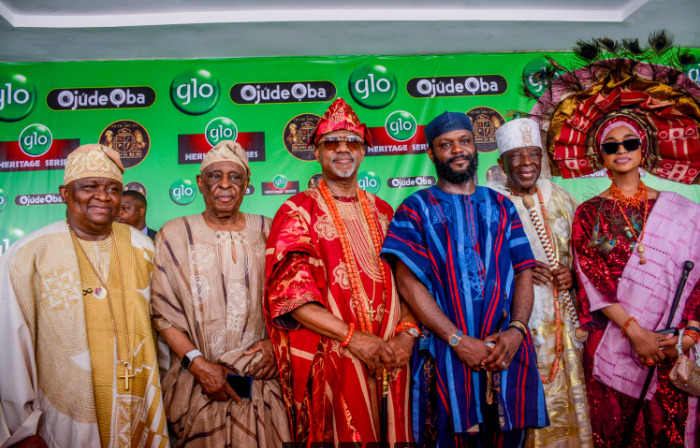
Ojude-Oba Festival 2026 Celebrates Culture and Unity
FCMB Highlights Economic Impact of Ojude Oba Festival
Get Plus234Feed on messaging apps
Same headlines, delivered where you already scroll.


