

Nigeria's Power Generation Drops to 4,300MW Amid Gas Shortfall

Power generation in Nigeria has fallen to an average of 4,300 megawatts (MW) due to a significant reduction in gas supply to thermal power stations, as disclosed by the Nigerian Independent System Operator (NISO). The Yola Electricity Distribution Company (YEDC) attributed this decline to operational constraints affecting thermal generation plants, which account for the largest share of the country's electricity generation mix.
As of February 23, thermal plants are facing a daily gas supply shortfall of approximately 57.5%, receiving only 42.5% of the gas required for full capacity operation. This deficit has significantly reduced the total generation available to the national grid.
NISO has warned that load shedding may be implemented to maintain grid stability and prevent system disturbances. Consequently, electricity distribution companies, including YEDC, have reduced the available supply to their networks.
However, YEDC expressed optimism that electricity supply would improve once gas availability increases, urging customers to be patient amid ongoing supply constraints.
Plus234Feed summary based on reporting from Daily Post. Read the original report below.
Read full article
Continue on Daily Post
Get the week in one email
Top stories, NPFL results, the naira — every Friday morning. Free, one email a week.
Related Stories
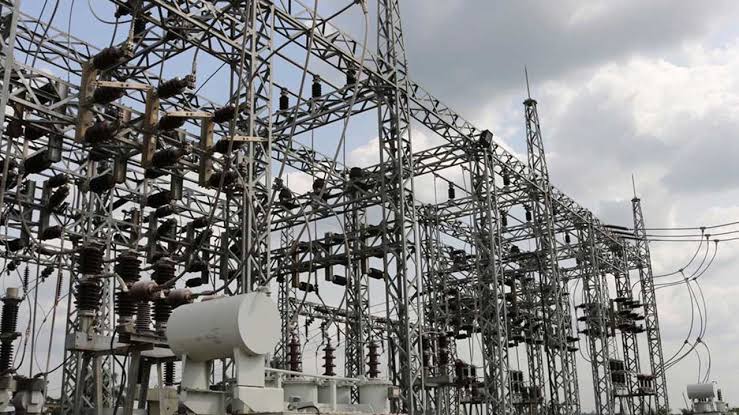
Nigeria's Power Output Falls to 4,300MW Amid Gas Shortage
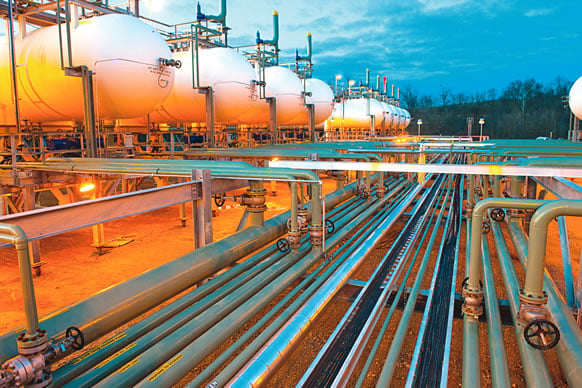
Nigeria Faces Prolonged Blackouts Due to Gas Shortage
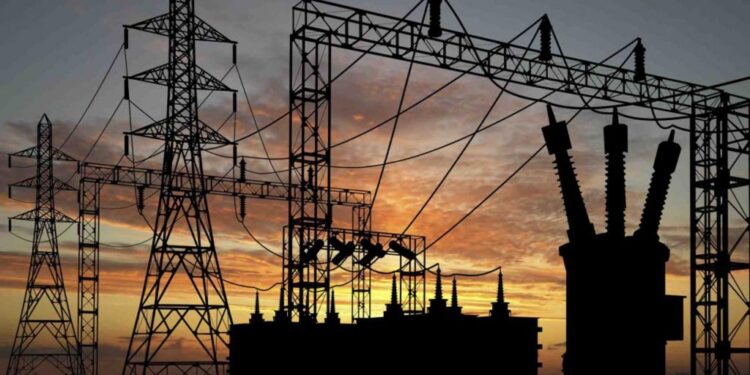
February Power Outages in Nigeria Linked to Gas Supply Issues
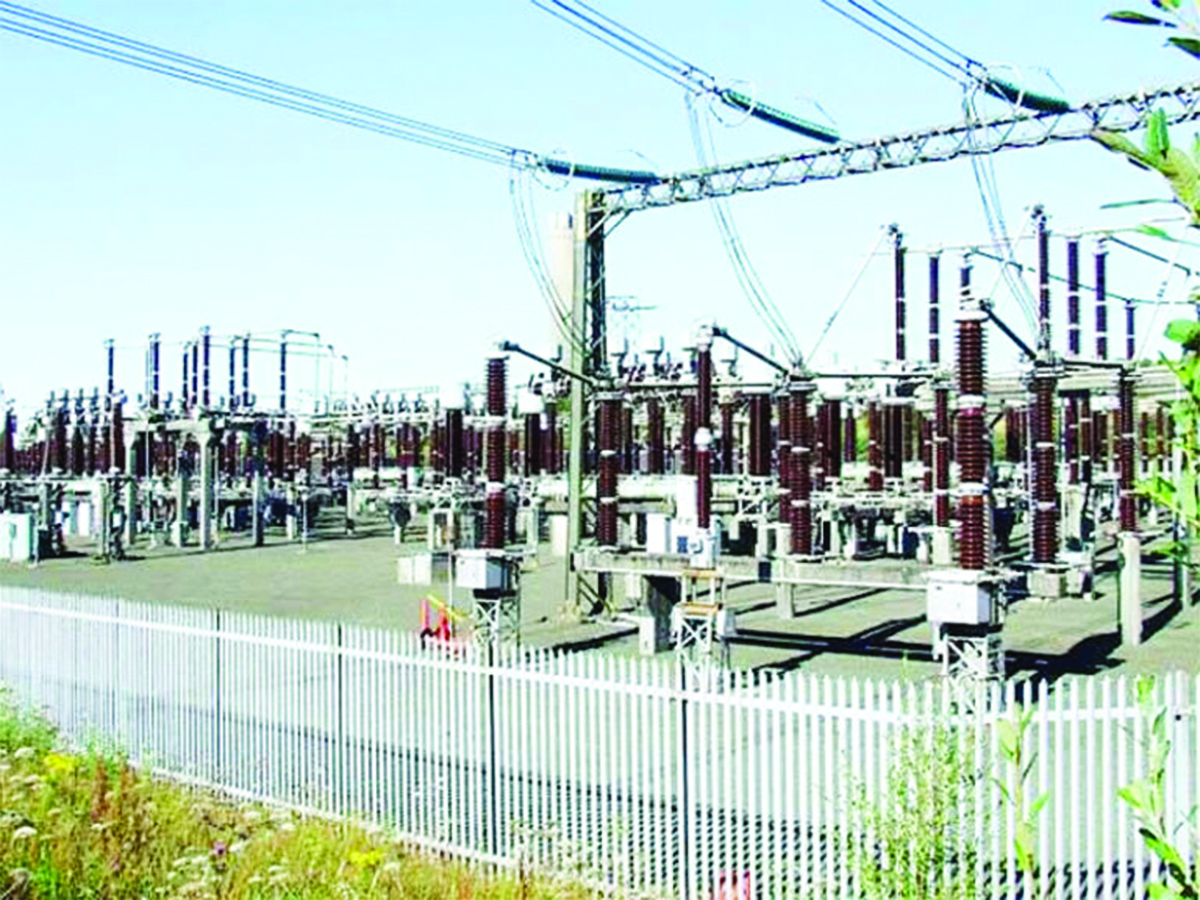
Nigeria's Power Crisis: 68% of Capacity Remains Idle
Nigeria's National Grid Faces Severe Gas Supply Shortage
Nigeria's Power Plants Operating Below Capacity Despite Improved Grid Stability - NERC Data Reveals
Get Plus234Feed on messaging apps
Same headlines, delivered where you already scroll.


