

February Power Outages in Nigeria Linked to Gas Supply Issues

The Nigerian Independent System Operator (NISO) has linked the power outages experienced in February to inadequate gas supply, which has severely impacted thermal power plants across the country. In a statement released on Friday, NISO indicated that the average electricity generation has dropped to around 4,300 megawatts, significantly below Nigeria's installed capacity.
The outages began in early February, coinciding with scheduled maintenance of key gas supply infrastructure managed by the Nigerian National Petroleum Company (NNPC) and its joint venture partner, Seplat Energy. This maintenance temporarily disrupted gas deliveries to several thermal plants, leading to a nationwide decline in electricity generation.
NISO highlighted that thermal plants require approximately 1,629 million standard cubic feet (mmscf) of gas per day for optimal operation, but actual supply was only about 692 mmscf per day, resulting in a shortfall that limited electricity dispatch. The power sector remains heavily dependent on gas-fired thermal plants, which account for 70% of grid electricity, making it particularly vulnerable to gas supply disruptions.
Plus234Feed summary based on reporting from Nairametrics. Read the original report below.
Read full article
Continue on Nairametrics
Get the week in one email
Top stories, NPFL results, the naira — every Friday morning. Free, one email a week.
Related Stories
Gas Supply Constraints Reduce Nigeria's Power Generation
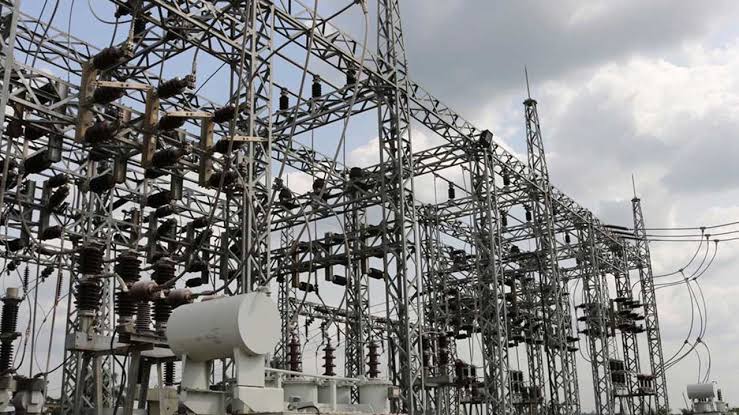
Nigeria's Power Output Falls to 4,300MW Amid Gas Shortage
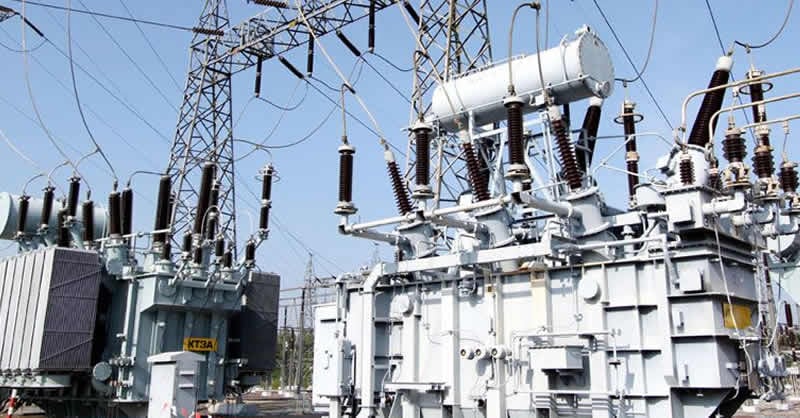
Nigeria's Power Generation Falls Below 4,000MW Due to Gas Shortage
Nigeria's Power Supply Drops to 4,300MW Due to Gas Shortage
Nigeria's National Grid Faces Severe Gas Supply Shortage
Nigeria's Power Generation Drops to 4,300MW Amid Gas Shortfall
Get Plus234Feed on messaging apps
Same headlines, delivered where you already scroll.


