

Nigeria's 2027 Elections: Tinubu's Reforms Under Scrutiny

The article examines Nigeria's political dynamics leading up to the 2027 elections, emphasizing the need for voters to assess the reforms implemented by President Bola Tinubu against the records of previous administrations, particularly that of Atiku Abubakar. It highlights the challenges of public finance, including revenue strains and debt servicing, exacerbated by fuel subsidies and a fragmented exchange rate system that has weakened investor confidence.
The Tinubu administration's swift actions to address these economic distortions, such as removing fuel subsidies and unifying the exchange rate, are noted as necessary steps according to the World Bank and IMF. However, critics argue that while these policies may provide short-term stability, they could lead to deeper imbalances over time.
The article also mentions recent improvements in oil production and agricultural output, particularly in wheat, but acknowledges that these efforts fall short of full recovery. The ongoing debate centers on whether the immediate costs of these reforms are justified and how they will influence voter decisions in the upcoming elections.
Plus234Feed summary based on reporting from This Day. Read the original report below.
Read full article
Continue on This Day
Get the week in one email
Top stories, NPFL results, the naira — every Friday morning. Free, one email a week.
Related Stories

Nigeria Prepares for 2027 Elections Amid Political Turmoil
Tinubu's Presidency: Navigating Nigeria's Economic Challenges
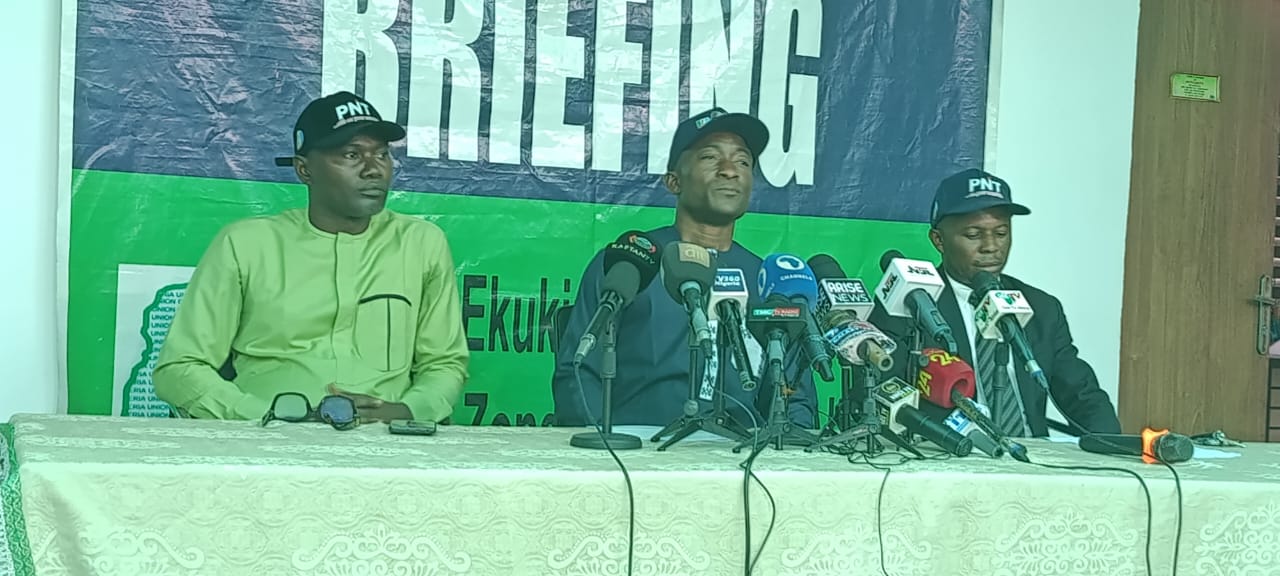
PNT Urges Nigerians to Re-elect Tinubu for 2027

Nigeria's Economic Reforms Under President Tinubu
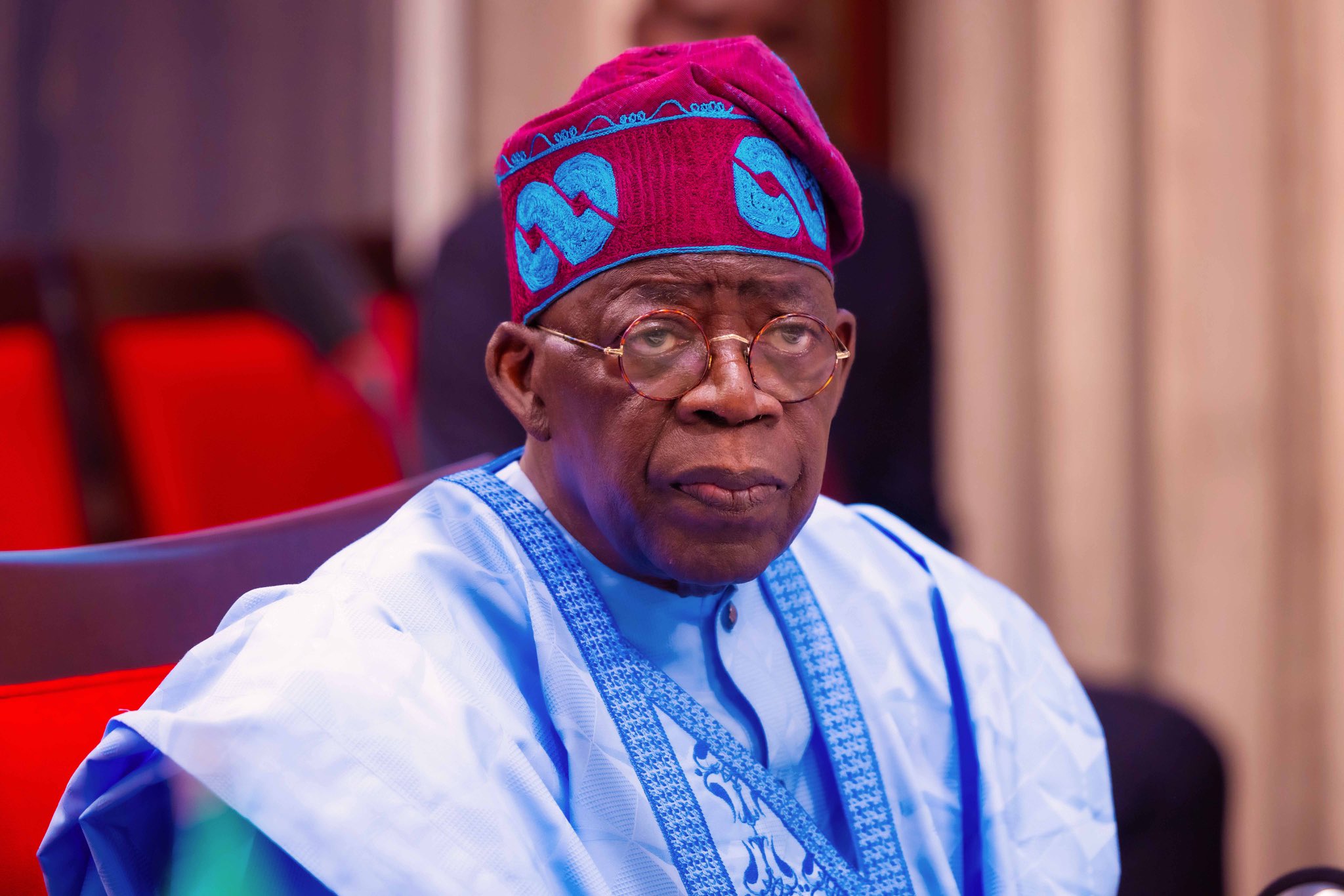
Nigerians Urged to Support Tinubu for 2027 Elections
Tinubu's Economic Reforms: A Path to Nigeria's Stability
Get Plus234Feed on messaging apps
Same headlines, delivered where you already scroll.


