

Nigeria Urged to Rethink Policy for Better Outcomes

The article outlines the necessity for Nigeria to enhance its policy-making, particularly at the subnational level, by focusing on lived realities rather than merely existing policies. It identifies issues such as weak problem definition, fragmented implementation, and inadequate learning as significant barriers to effective governance.
The article recommends that every major state or local government intervention undergo a mandatory problem-definition test before funding is allocated. This includes specifying the problem, identifying affected populations, and evaluating alternatives.
Additionally, it suggests establishing a small Policy Delivery and Learning Unit in each state, tasked with maintaining problem maps, tracking implementation, and advising on program effectiveness. The article cites UNICEF statistics indicating that 10.2 million primary-school-age children and 8.1 million junior-secondary-school-age children are out of school in Nigeria, highlighting the urgent need for improved educational policy and outcomes.
Plus234Feed summary based on reporting from Leadership Newspaper. Read the original report below.
Read full article
Continue on Leadership Newspaper
Get the week in one email
Top stories, NPFL results, the naira — every Friday morning. Free, one email a week.
Related Stories

Nigeria Must Embrace Foresight in Education and Policy
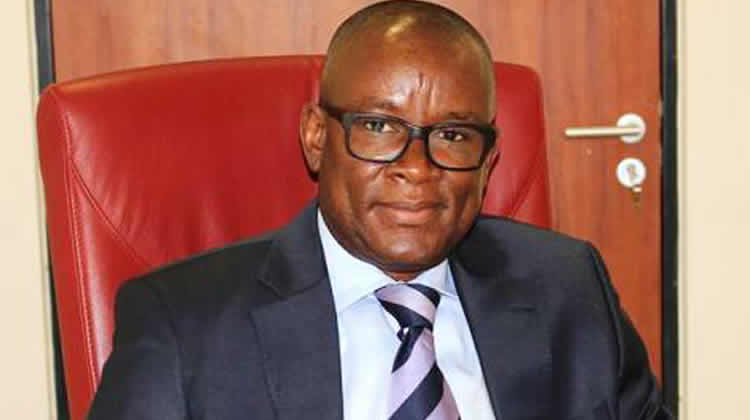
Nigeria's Industrial Policy Progress Reported by Enoh

Lessons from Malaysia for Nigeria's Central Banking
Nigerian Scholars Demand Reform for PhD Education System
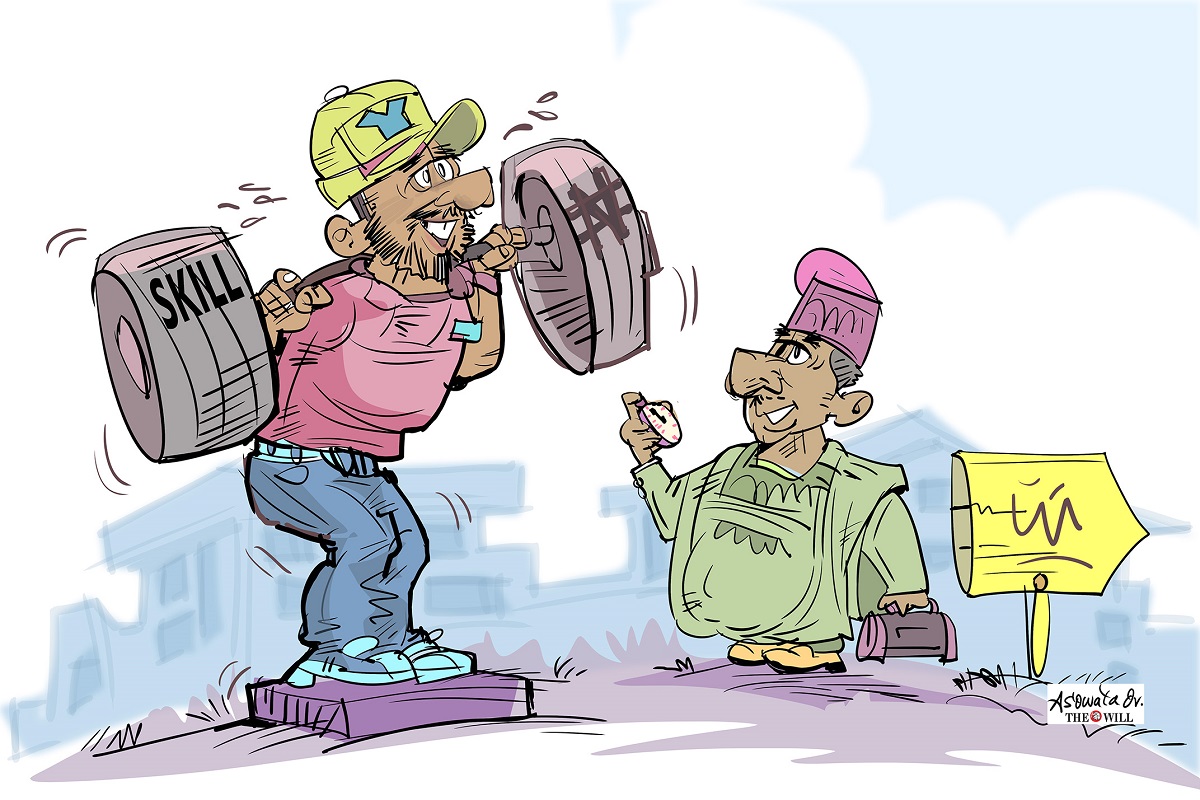
Nigeria's Youth Empowerment Crucial for Economic Growth

Nigeria's Primary Healthcare Reforms Show Promising Signs
Get Plus234Feed on messaging apps
Same headlines, delivered where you already scroll.


