

Reviving Indigenous Languages in Northern Nigerian Education

The article discusses the need to revive indigenous languages in Northern Nigerian education to address the low learning outcomes. Despite UNESCO's endorsement of mother tongue-based education, English is predominantly used in primary schools, causing cognitive overload for pupils who speak local languages like Hausa, Kanuri, and Fulfuld.
The article highlights successful pilot programs in Bauchi and Sokoto using Hausa as a medium of instruction. Advocates suggest a transition model where mother tongue is used in early education (Primary 1-2) before gradually introducing English.
This approach aims to boost children's confidence and learning outcomes.
Plus234Feed summary based on reporting from This Day. Read the original report below.
Read full article
Continue on This Day
Get the week in one email
Top stories, NPFL results, the naira — every Friday morning. Free, one email a week.
Related Stories

Nigerian Education Policy Mandates Teaching in Mother Tongue Alongside English
FEF Urges Nigerian Government to Sustain Mother Tongue Education Policy for Improved Academic Performance
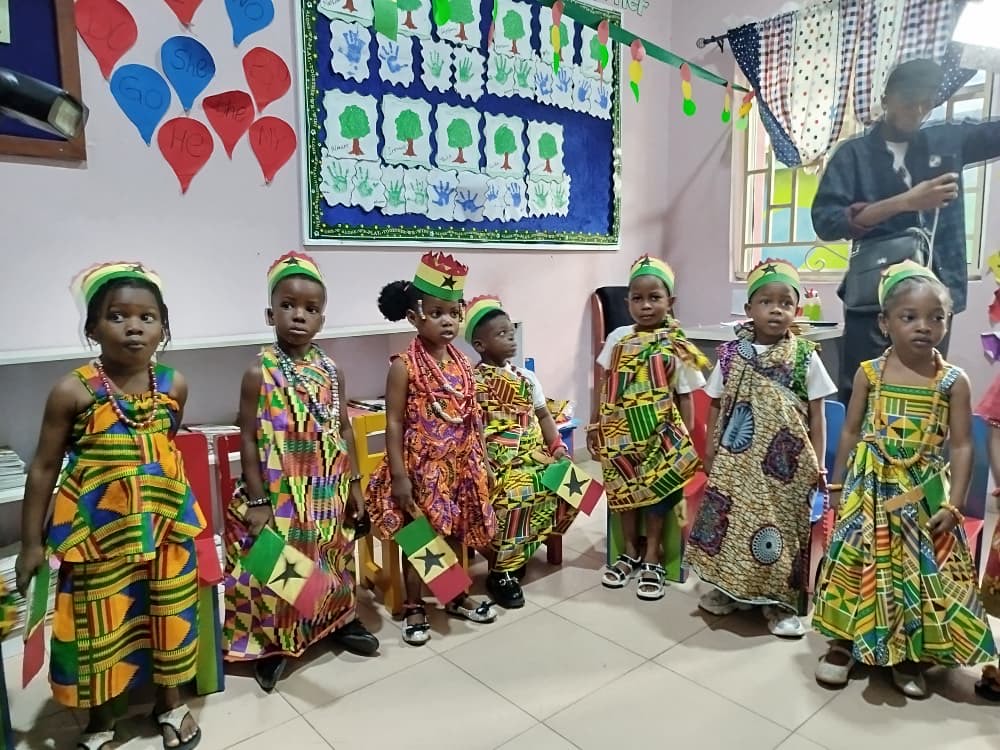
Nigerian Educationists Advocate Language Learning and Cultural Diversity for Children
Nigerian NGO Revives Reading Culture Among Secondary School Students Through Creative Writing Initiatives

Igbo Women Advocate for Language Preservation in Awka
Nigeria Urged to Prioritize Lifelong Education Initiatives
Get Plus234Feed on messaging apps
Same headlines, delivered where you already scroll.


