

Rural Nigerians Turn to Faith Healers Amid Healthcare Gaps

In Nigeria, rural communities struggle with accessing medical care due to factors such as distance, cost, and inadequate healthcare facilities. A 2026 report revealed over 6,500 primary healthcare centres were non-functional, with rural facilities facing higher operating costs and an annual funding gap of approximately ₦8.8 million.
The National Bureau of Statistics indicated that the cost of medical visits deterred many from seeking care, particularly in rural areas. While faith-based care is often more accessible and trusted within communities, it does not replace hospitals for most Nigerians.
The Federal Government allocated over ₦32 billion in March 2026 to the Basic Health Care Provision Fund to enhance access to basic healthcare. However, effective healthcare requires not just funding but also medicines, trained personnel, and reliable equipment.
The World Health Organization's 2025 assessment identified similar barriers, emphasizing the need for functional, affordable, and trustworthy healthcare options in rural areas.
Plus234Feed summary based on reporting from Uhurutimes. Read the original report below.
Read full article
Continue on Uhurutimes
Enjoy this article?
Get the weekly Nigerian roundup — top stories, NPFL, naira. One email, Sunday morning.
Related Stories
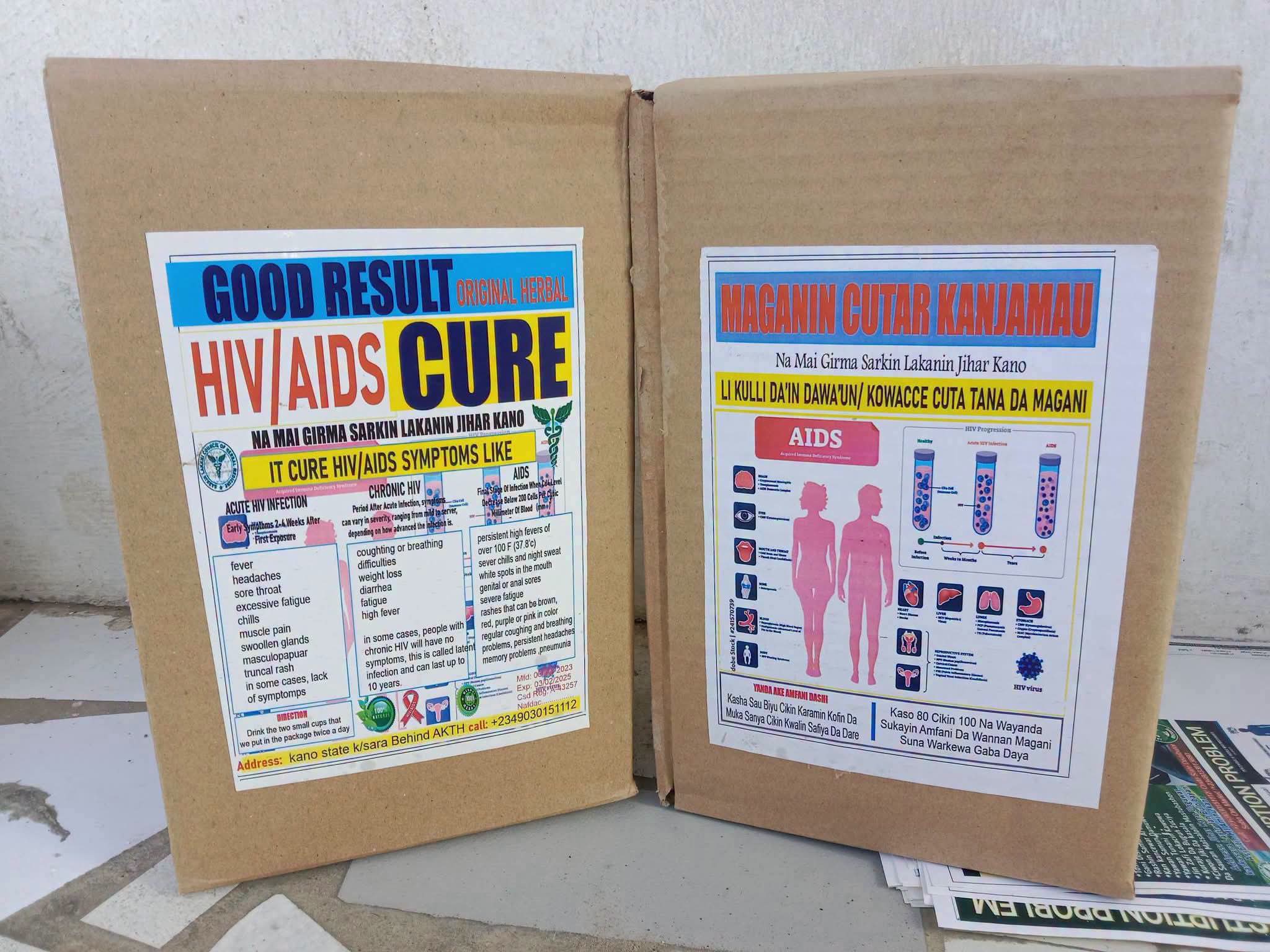
Nigerians Turn to Traditional Healers as HIV Aid Declines
Niger State Medics Reject Rural Postings, Face Consequences
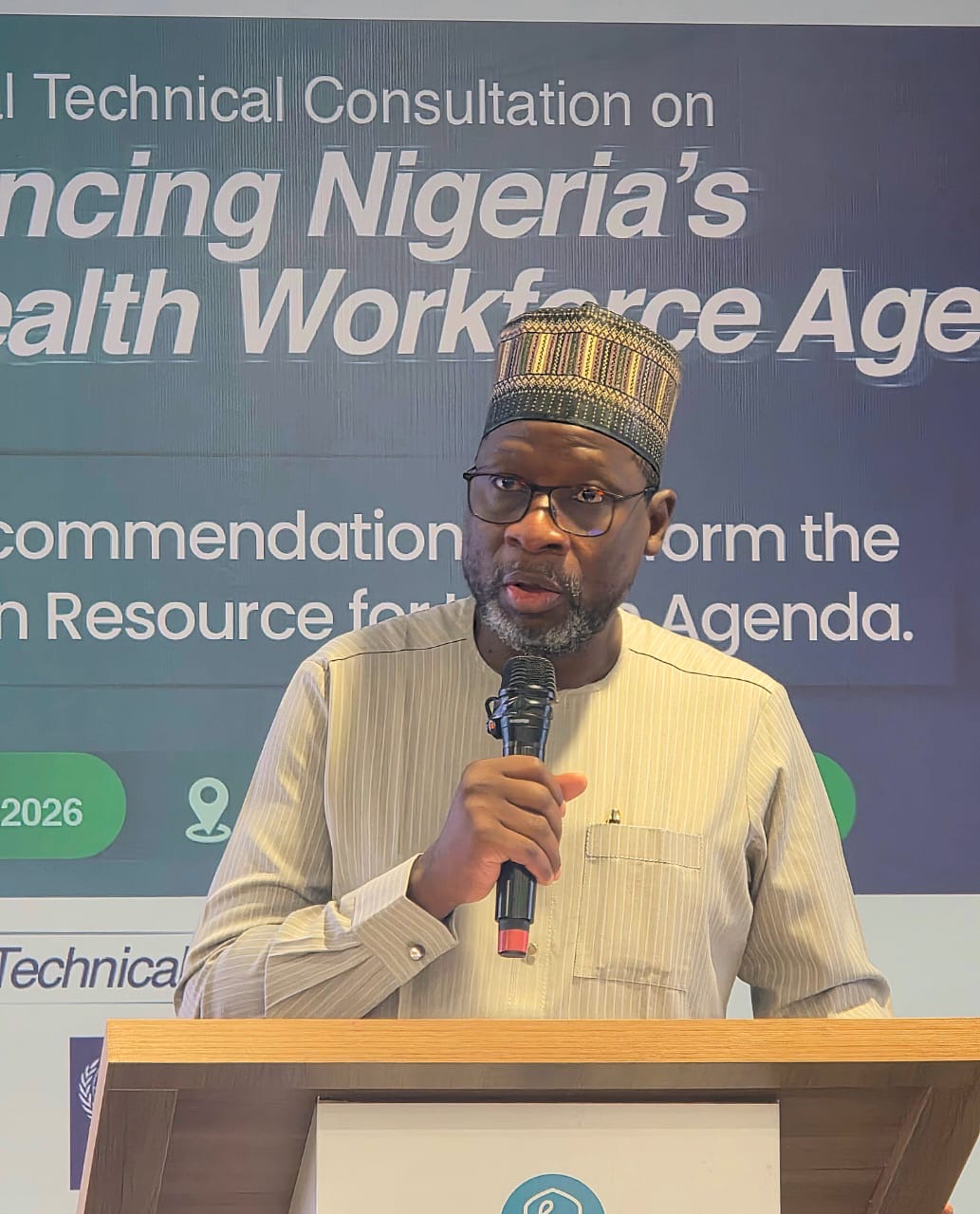
Urgent Reforms Needed for Nigeria's Primary Healthcare System

Nigeria's Primary Healthcare Reforms Show Promising Signs
Nigeria Disburses N32.9 Billion for Primary Healthcare
Nigeria's 2026 Diaspora Day to Address Healthcare Equity
Get Plus234Feed on messaging apps
Same headlines, delivered where you already scroll.


