

SMEs in Abuja Struggle with Rising Fuel Costs and Inflation

Small and medium enterprises (SMEs) across Abuja are raising alarms over the rising fuel costs, which are significantly driving up operational expenses and worsening the cost of living crisis. Business owners have reported a persistent increase in petrol prices, which erodes profit margins and weakens consumer purchasing power.
Interviews with business operators in various areas of the Federal Capital Territory, including Mararaba, Nyanya, Apo, Wuse, and Kubwa, reflect a broader trend where rising fuel prices continue to impact transport fares, food costs, and service delivery. Experts warn that this situation could trigger a deeper inflationary spiral, particularly affecting SMEs that operate on thin margins and lack financial buffers.
The ongoing volatility in the global oil market and the removal of fuel subsidies have led to higher transport and logistics costs across Nigeria. Analysts caution that sustained increases in fuel costs could lead to business closures, job losses, and reduced household incomes.
SMEs are calling for urgent government intervention to improve electricity supply, enhance transport systems, and stabilize fuel prices.
Plus234Feed summary based on reporting from Nairametrics. Read the original report below.
Read full article
Continue on Nairametrics
Get the week in one email
Top stories, NPFL results, the naira — every Friday morning. Free, one email a week.
Related Stories
SMEs in Lagos Struggle with Rising Energy Costs
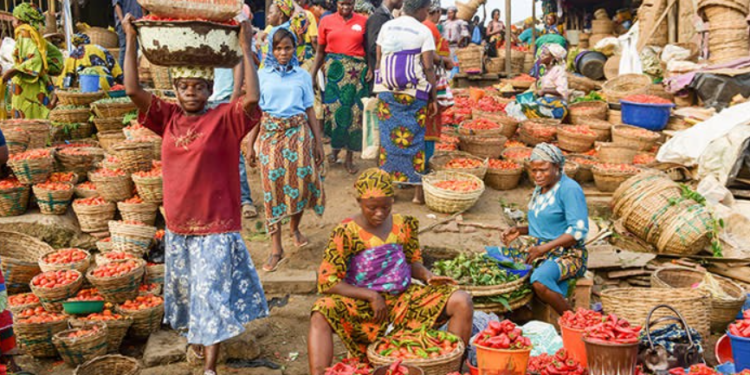
Abuja Food Prices Surge Amid Rising Fuel Costs

Energy Costs Consume 60% of SMEs' Profits in Nigeria

Nigeria's Fuel Costs Drive Prices to 16-Month High
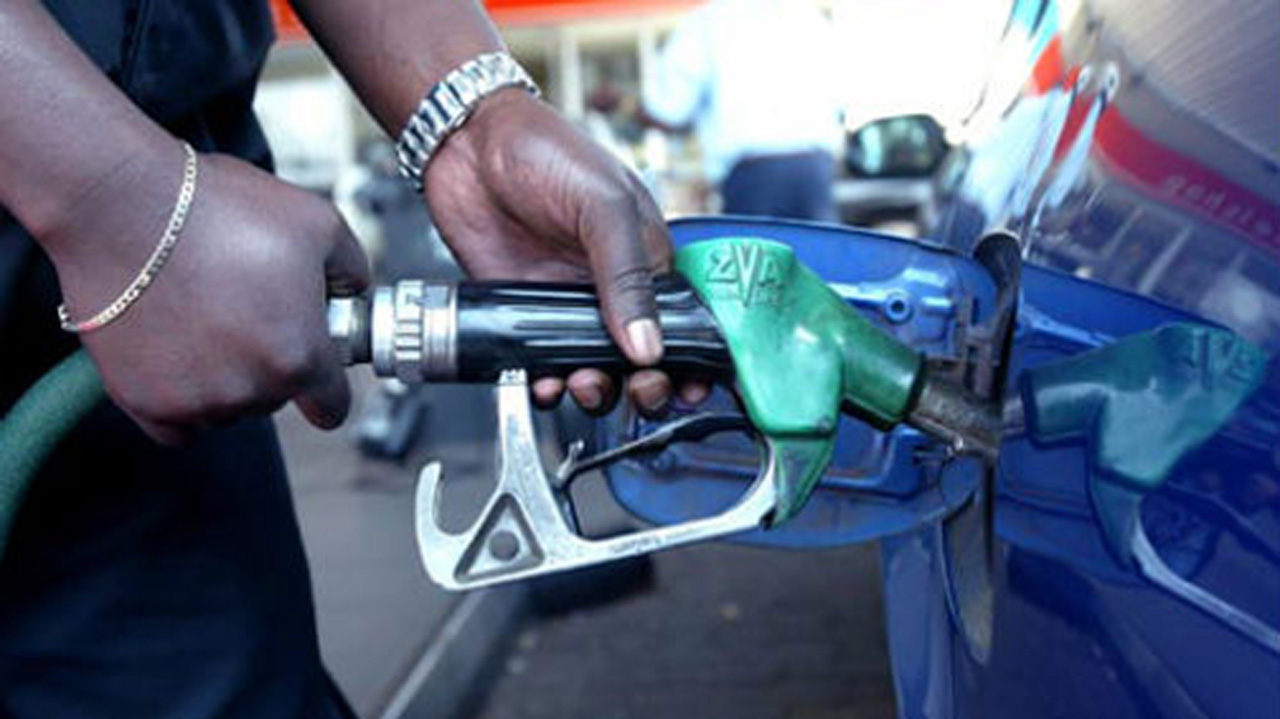
Marketers Urge Government Action on Rising Fuel Prices
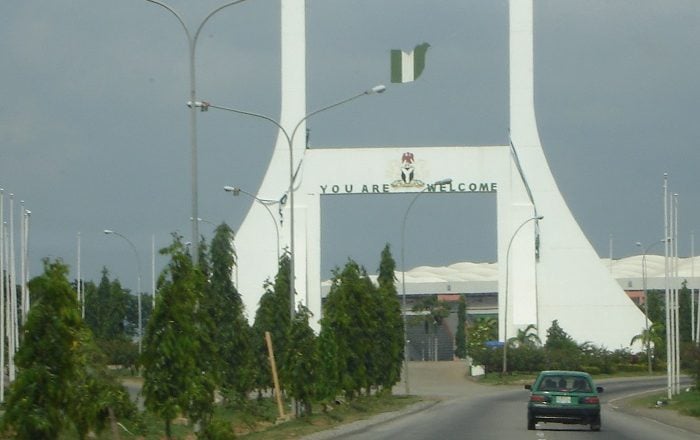
Abuja Faces Hardship Amid Rising Petrol Prices
Get Plus234Feed on messaging apps
Same headlines, delivered where you already scroll.


