

Nigeria's Fuel Costs Drive Prices to 16-Month High

The latest Stanbic IBTC Bank Purchasing Managers' Index (PMI) report indicates that higher fuel costs have compelled firms in Nigeria to raise their selling prices to the highest level in 16 months. The PMI rose to 52.4 in April 2026 from 51.9 in March, marking the third consecutive month above the 50-point threshold, which signals business expansion.
Companies are passing elevated input costs onto customers, leading to accelerated inflation, the strongest since December 2024. Despite inflationary pressures linked to rising fuel costs and ongoing geopolitical tensions, there is an improvement in customer demand, supporting growth in new orders.
However, the report notes that inflationary pressures are constraining output growth. Firms are also facing higher staff costs and are raising wages to cushion workers against rising transport expenses.
Looking ahead, business sentiment remains optimistic, with firms expecting output increases over the next 12 months. Stanbic IBTC projects Nigeria's economy will grow by 4.22% in 2026, driven primarily by the non-oil sector.
Plus234Feed summary based on reporting from Nairametrics. Read the original report below.
Read full article
Continue on Nairametrics
Get the week in one email
Top stories, NPFL results, the naira — every Friday morning. Free, one email a week.
Related Stories
Nigeria's Manufacturing Output Declines Amid Rising Costs
Nigeria's Fuel Prices Rise Amid Global Oil Price Surge
Marketers Urge Government Action on Rising Fuel Prices
Fuel Prices Surge in Nigeria: March 2026 Report
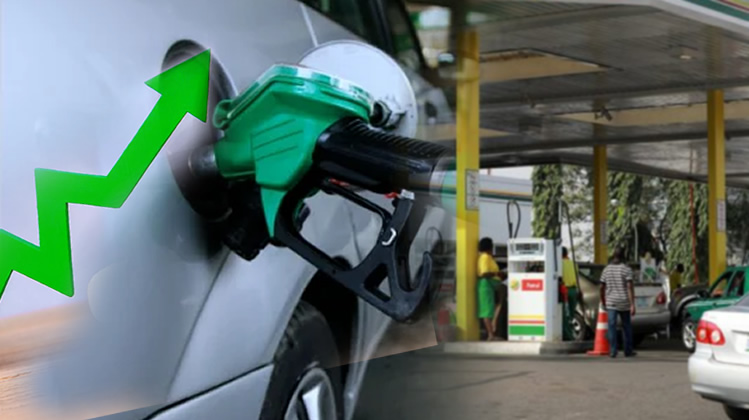
Nigeria's Petrol Prices Surge to N1,288.54 per Litre
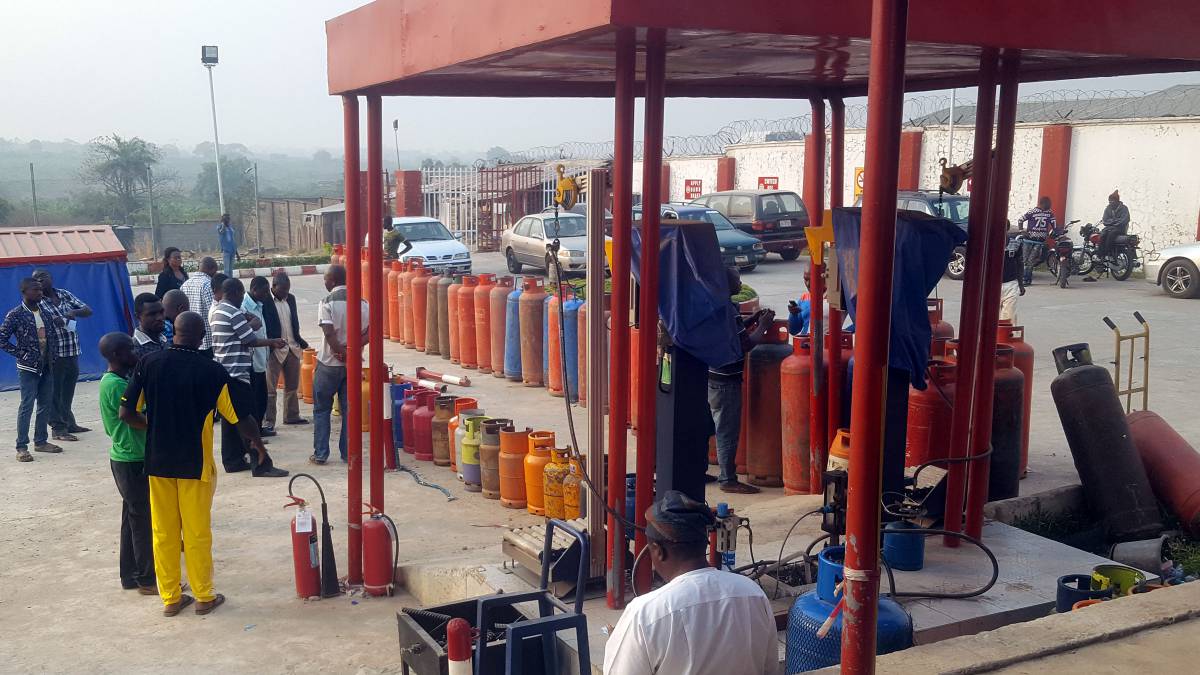
Nigeria Raises Gas Prices, Impacting Electricity Costs
Get Plus234Feed on messaging apps
Same headlines, delivered where you already scroll.


