
U.S. Aid Cuts Impact Malaria Treatment in Kebbi State

Vulnerable communities in Kebbi State, Nigeria, are experiencing significant hardships due to cuts in U.S. aid, particularly impacting access to anti-malaria medications. Kabir Abubakar, an Islamic teacher, expressed concern over the rising costs of treatment for malaria, which has become unaffordable for many families.
The primary healthcare center in Yabo has reported a lack of anti-malaria drugs, with supplies running low since the U.S. aid cuts initiated by President Donald Trump's executive order in January of the previous year. Although Nigeria signed a five-year $5.1 billion memorandum of understanding (MOU) for health cooperation in December, implementation will not begin until April, and details remain undisclosed.
Health workers, including Mariya Liman and Nasir Zagga, highlighted the critical shortage of medications and the struggle to provide care, with some facilities reporting only a few packs of anti-malaria drugs available every two months. This situation has led to increased cases of malaria, with patients unable to afford necessary treatments.
Plus234Feed summary based on reporting from Premium Times. Read the original report below.
Read full article
Continue on Premium Times
Get the week in one email
Top stories, NPFL results, the naira — every Friday morning. Free, one email a week.
Related Stories
U.S. Funding Cut Impacts 250,000 Lives in Yobe State
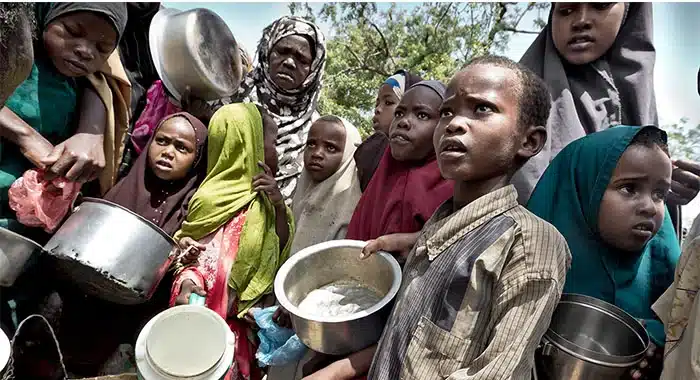
Malnutrition Crisis Deepens in Kebbi State, Nigeria, with 74% Surge in Admissions of Starving Children
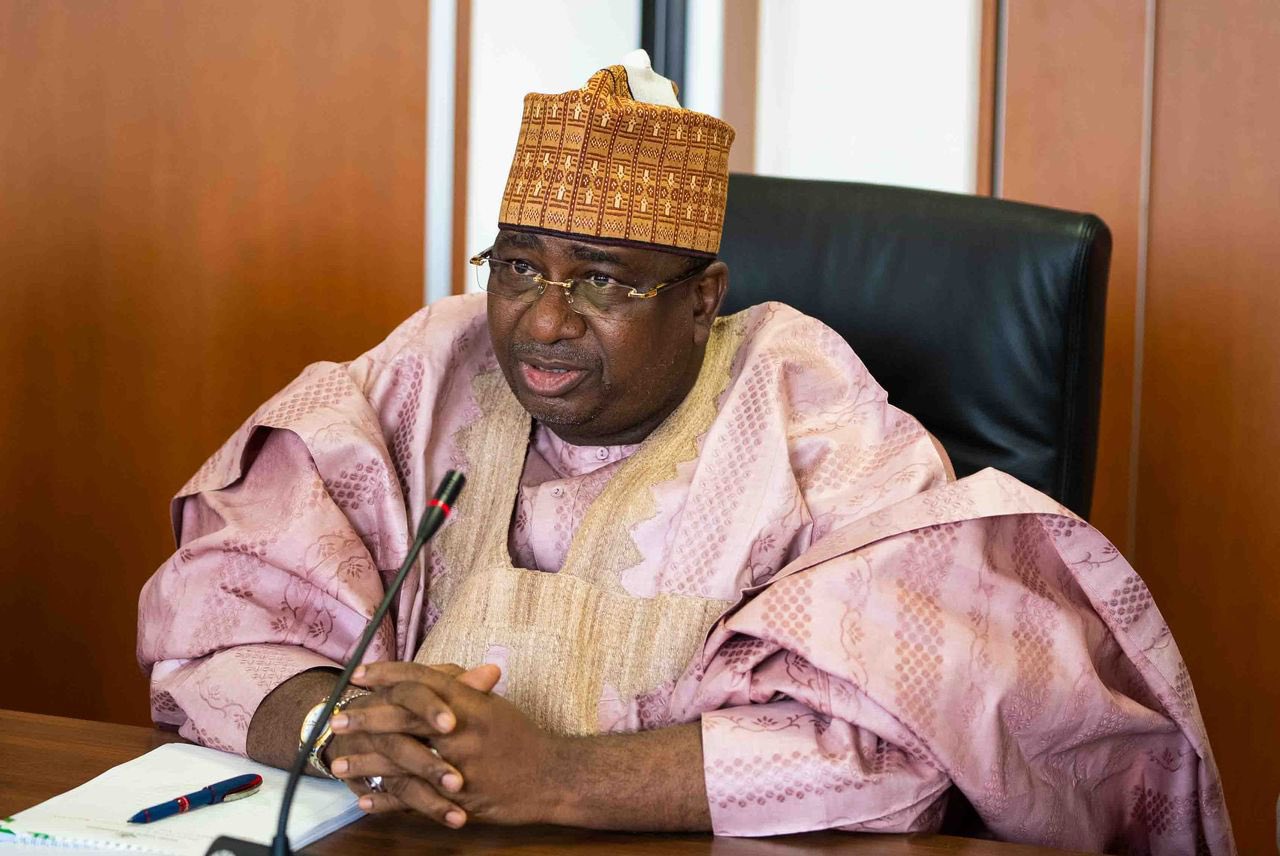
Kebbi State Reaffirms Commitment to Malaria Elimination
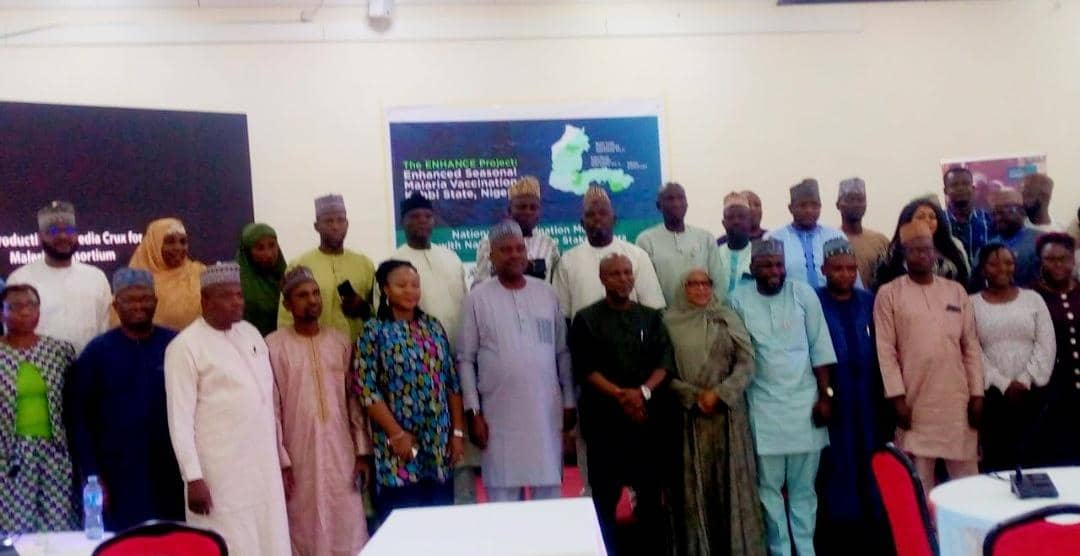
Kebbi LGAs See Significant Improvement in Vaccine Coverage
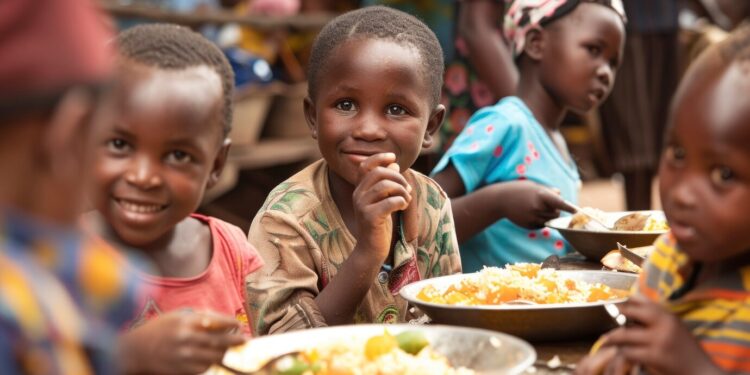
UN Warns of Severe Hunger Crisis in Nigeria's Northeast Amid Aid Cuts
WFP Warns of Aid Cuts in Northern Nigeria, Millions at Risk of Hunger
Get Plus234Feed on messaging apps
Same headlines, delivered where you already scroll.


