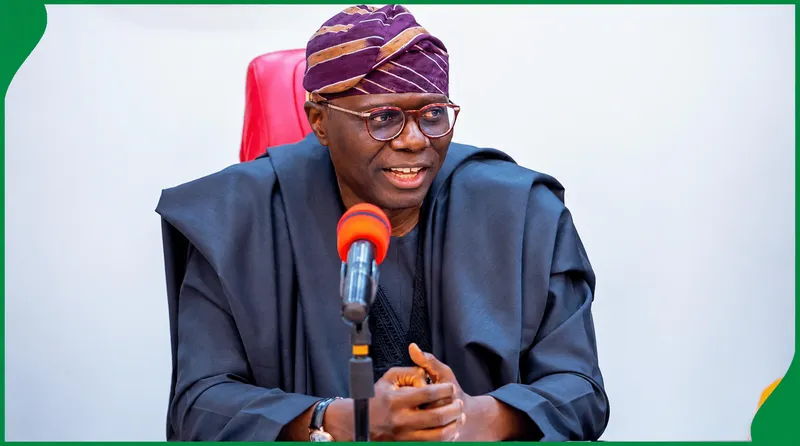

President Tinubu's Economic Reforms Reshape Nigeria's Future
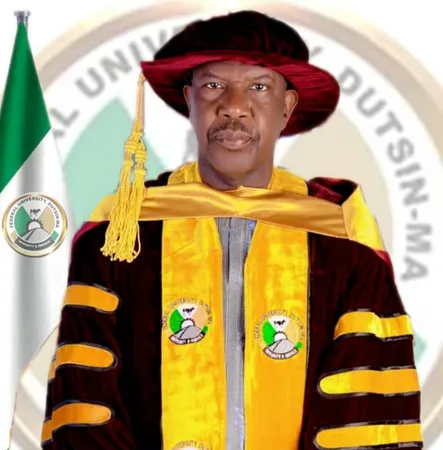
Since assuming office on 29th May 2023, President Tinubu has pursued significant economic reforms aimed at restructuring public finances, improving resource allocation, attracting investment, and creating a sustainable foundation for national development. Key measures include the removal of the petrol subsidy and reforms to the foreign exchange market.
While these actions have generated public debate and imposed pressures on citizens, they are intended to strengthen public finances, stimulate productive activities, expand employment opportunities, and improve living standards over time. The success of these economic reforms is closely tied to human capital development, which requires investment in education, skills, health, and productive capacities.
Initiatives like the Nigerian Education Loan Fund aim to expand access to higher education. Effective cooperation among all tiers of government is essential for national development, as increased revenues from fiscal changes must translate into quality public expenditure and effective implementation to benefit citizens.
Plus234Feed summary based on reporting from Blueprint. Read the original report below.
Read full article
Continue on Blueprint
Get the week in one email
Top stories, NPFL results, the naira, every Friday morning. Free, one email a week.
Related Stories

Tinubu's Economic Reforms Set Stage for Nigeria's Growth
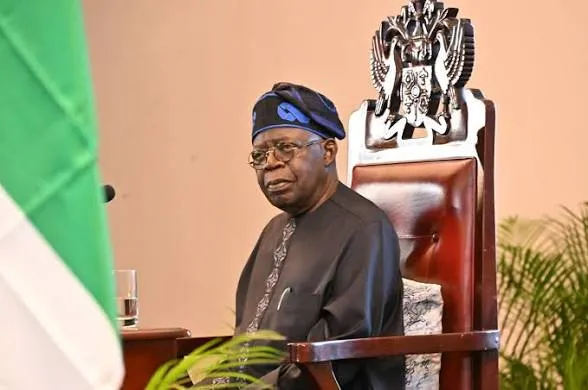
Tinubu's Reforms Under Scrutiny Amid Calls for Change

Tinubu's Policies Drive Economic Growth Amid Political Challenges
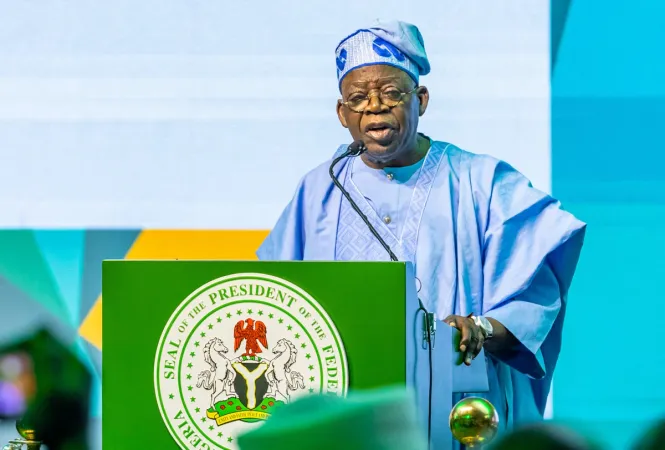
Tinubu Announces Nigeria's Economic Shift to Prosperity
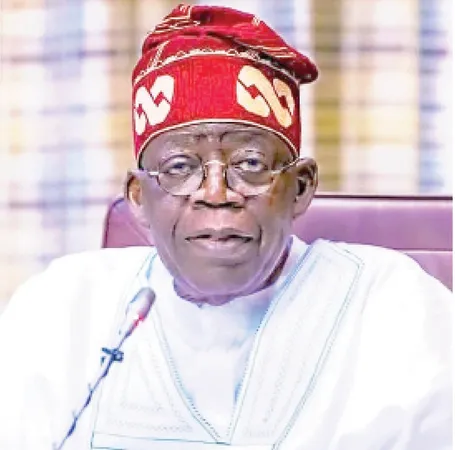
Tinubu Announces Nigeria's Shift to Prosperity at Summit
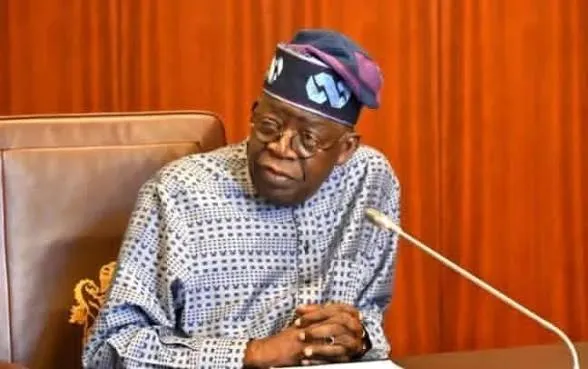
Tinubu's Economic Reforms Praised by PBAT Movement
Get Plus234Feed on messaging apps
Same headlines, delivered where you already scroll.