

UAE Exits OPEC Amid Economic and Geopolitical Pressures
The United Arab Emirates (UAE) has announced its withdrawal from the Organization of the Petroleum Exporting Countries (OPEC), marking a significant shift in the global energy landscape. This decision is influenced by three critical factors: crippling economic stress, ongoing conflicts, and an urgent need for dollar liquidity.
The UAE's exit underscores deeper structural tensions within OPEC and reflects the growing difficulties in maintaining coordinated oil production strategies amid a fragmented geopolitical environment. The UAE's economy, heavily reliant on energy exports, faces challenges due to declining oil revenues and logistical issues in the non-oil sector, particularly tourism and financial services.
The UAE has expressed frustration with OPEC's production quota system, which has limited its ability to expand production capacity. By exiting OPEC, the UAE aims to regain autonomy over its production strategy, potentially increasing revenues when export routes stabilize.
The country's fixed currency peg to the U.S. dollar, established in 1997, complicates its monetary policy and limits its ability to respond to domestic liquidity pressures.
Plus234Feed summary based on reporting from Daily Trust. Read the original report below.
Read full article
Continue on Daily Trust
Get the week in one email
Top stories, NPFL results, the naira — every Friday morning. Free, one email a week.
Related Stories
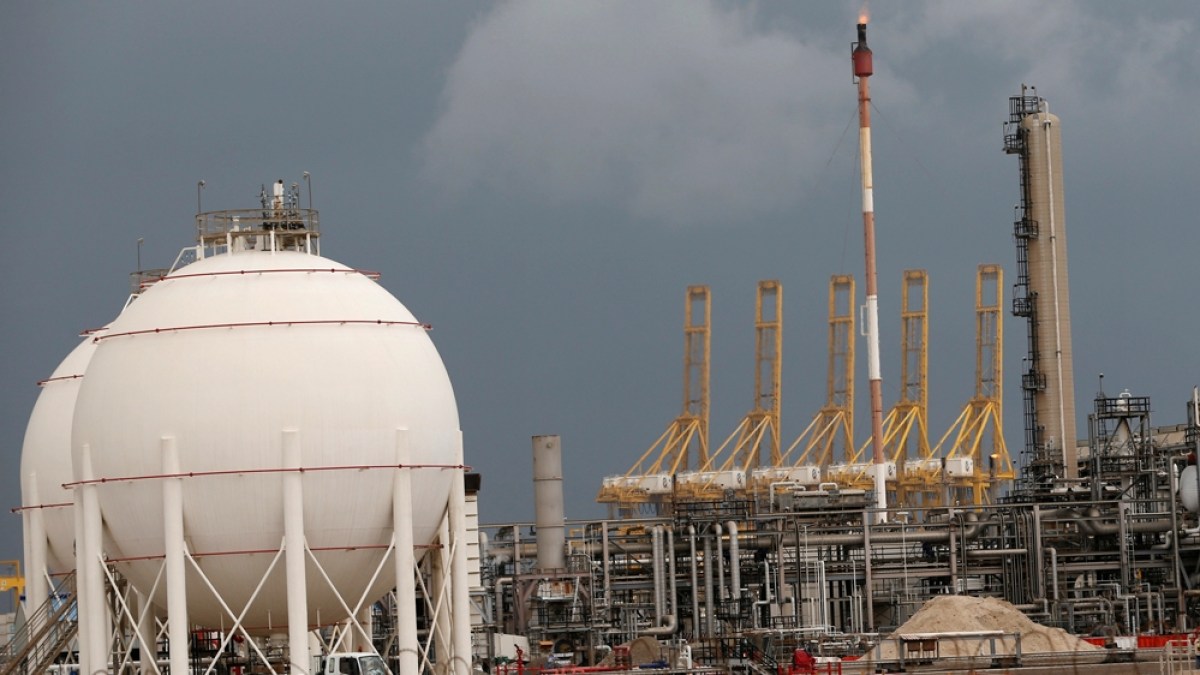
UAE Exits OPEC, Impacting Global Oil Market Dynamics
UAE Exit from OPEC Poses Risks for Nigeria's Oil Revenue
Nigeria Pressured to Boost Oil Output After UAE OPEC Exit
UAE Exits OPEC, CRMI Warns of Oil Market Volatility
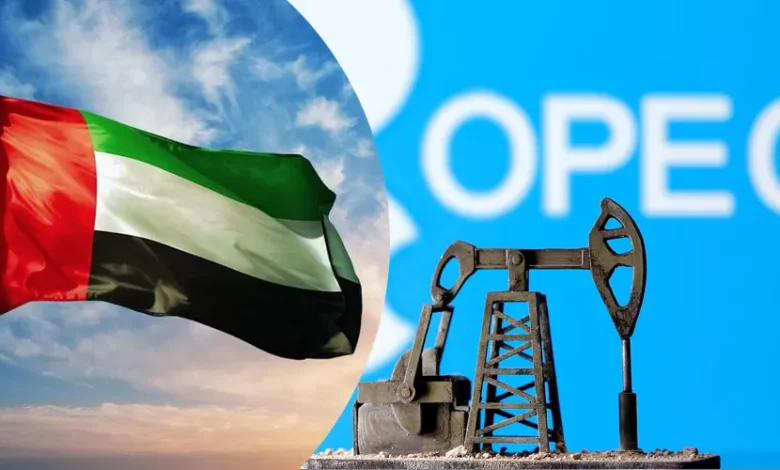
UAE Exits OPEC After 50 Years, Effective May 1
Nigeria Reaffirms OPEC Commitment Amid UAE Exit Concerns
Get Plus234Feed on messaging apps
Same headlines, delivered where you already scroll.


