

UAE Exits OPEC, Impacting Global Oil Market Dynamics

The United Arab Emirates (UAE) has officially announced its withdrawal from the Organization of the Petroleum Exporting Countries (OPEC), a decision confirmed by UAE Energy Minister Suhail Mohamed Al Mazrouei on Tuesday. This strategic policy decision will take effect on May 1 and aims to align the country's future energy production goals with global demand.
The UAE, one of OPEC's largest producers, did not consult other member countries before making this decision, which allows it to increase oil production without adhering to OPEC's output quotas. The exit is expected to weaken OPEC's influence over global oil supply and widen tensions between Abu Dhabi and Saudi Arabia, which has traditionally played a dominant role within the group.
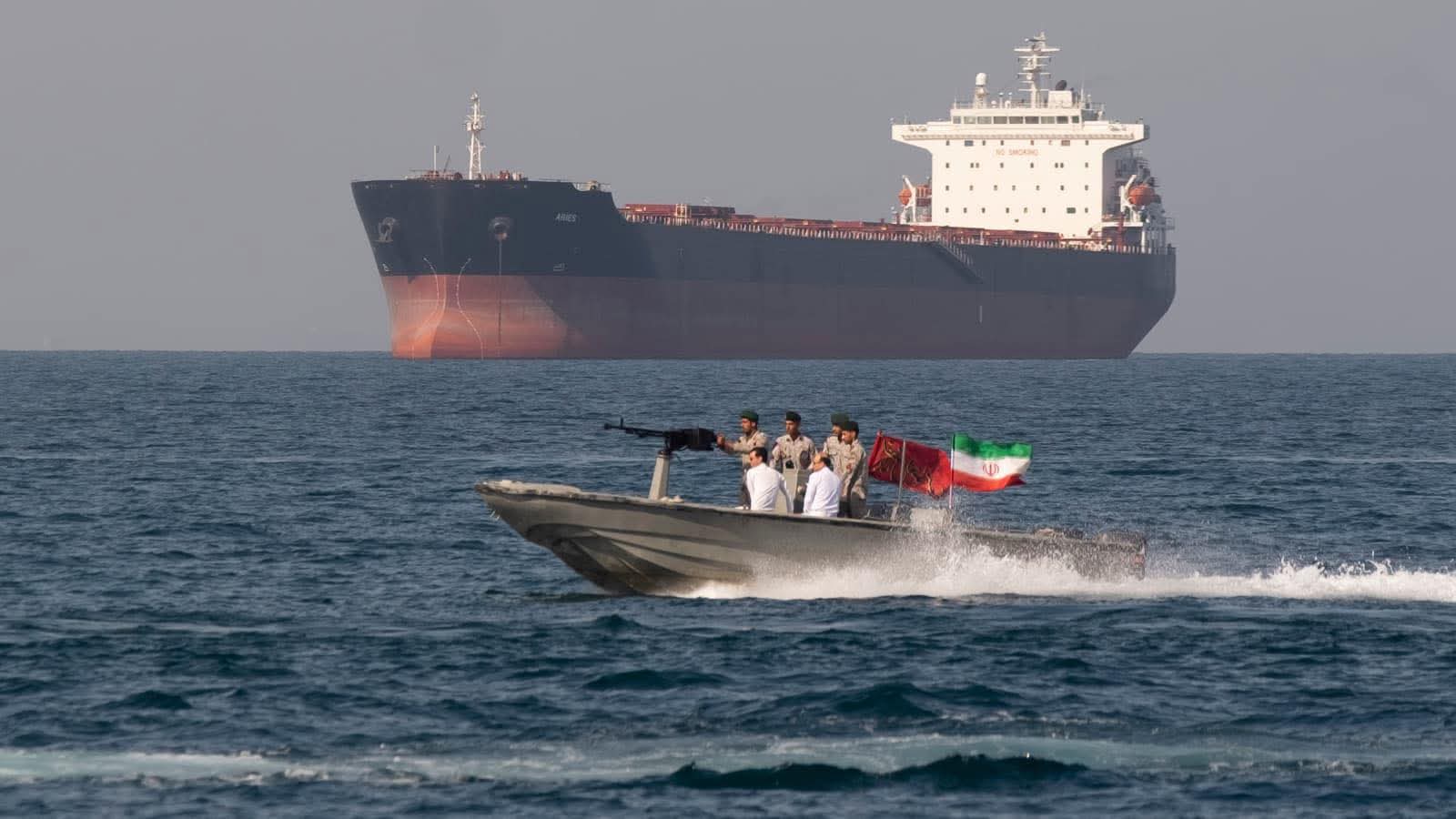
Market reactions have been cautious, with oil prices briefly fluctuating but stabilizing immediately due to existing constraints on exports through the Strait of Hormuz, a key global shipping route. This move comes as Gulf states continue to face security and economic pressures linked to the ongoing conflict involving Iran.
Plus234Feed summary based on reporting from Blueprint. Read the original report below.
Read full article
Continue on Blueprint
Get the week in one email
Top stories, NPFL results, the naira — every Friday morning. Free, one email a week.
Related Stories
UAE Exits OPEC After Nearly 60 Years, Effective 2026
UAE Exit from OPEC Poses Risks for Nigeria's Oil Revenue
Nigeria Pressured to Boost Oil Output After UAE OPEC Exit
Nigeria Reaffirms OPEC Commitment Amid UAE Exit Concerns
OPEC+ Increases Oil Production Quotas Amid Tensions
Nigeria Urged to Secure New Crude Oil Buyers Amid UAE Exit
Get Plus234Feed on messaging apps
Same headlines, delivered where you already scroll.


