

US Federal Reserve Rate Hike Affects African Economies

On September 21, 2026, the US Federal Reserve increased its benchmark interest rate by 25 basis points to a range of 3.75–4 percent, marking its first rate hike since July 2023. This decision, driven by persistent inflation pressures and resilient domestic spending, poses challenges for Nigeria, Ghana, and South Africa as they prepare for monetary policy meetings.
The Central Bank of Nigeria (CBN) is meeting on September 21–22, the South African Reserve Bank (SARB) will announce its decision on September 23, and Ghana’s Monetary Policy Committee will conclude its meeting on September 24. While African central banks are not obligated to follow the Fed's lead, the rate hike complicates their ability to diverge from US monetary policy, particularly affecting exchange rates and capital flows.
The Fintech Association of Kenya noted that countries with easing inflation and credible monetary frameworks could still reduce rates if domestic conditions allow, but the exchange rate constraint complicates this. The broader African monetary policy landscape has become increasingly fragmented, with various countries adopting differing approaches to interest rates.
Plus234Feed summary based on reporting from BusinessDay. Read the original report below.
Read full article
Continue on BusinessDay
Get the week in one email
Top stories, NPFL results, the naira — every Friday morning. Free, one email a week.
Related Stories
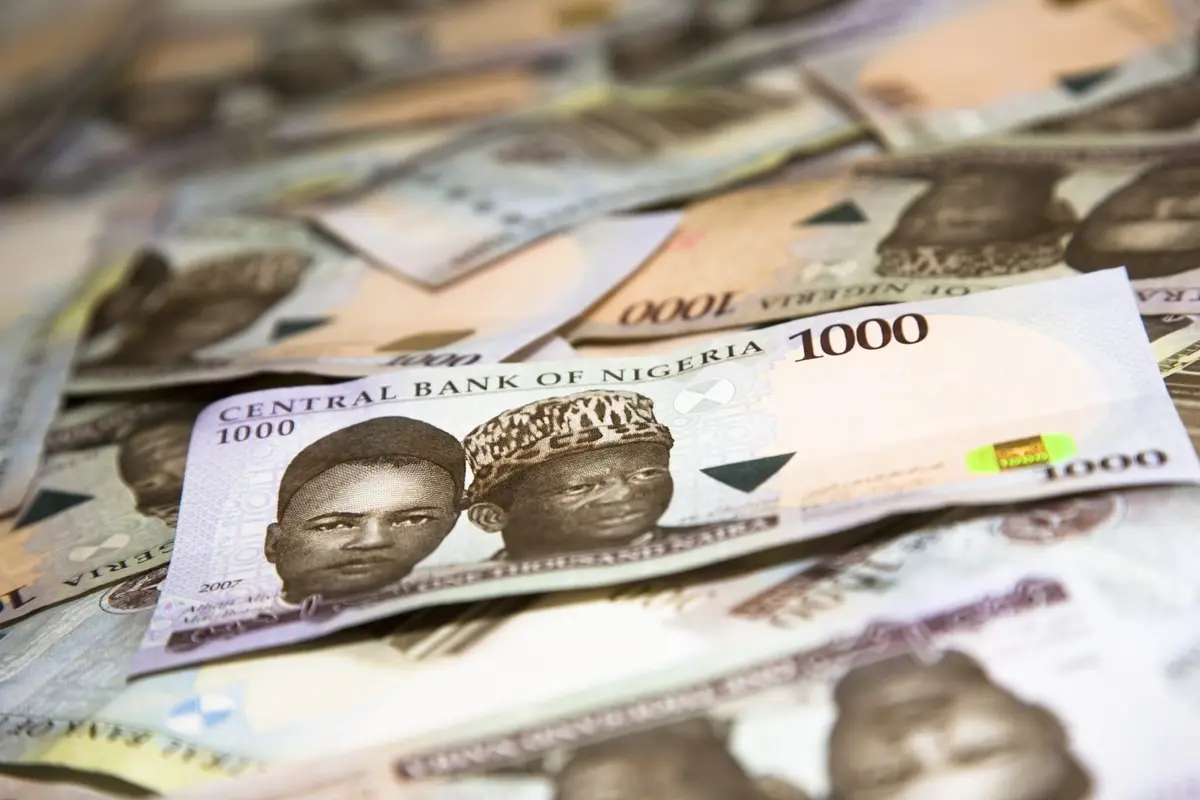
US Federal Reserve Rate Hike Impacts Nigeria's Economy
Nigeria's Central Bank Cuts Interest Rate to 23% in 2026
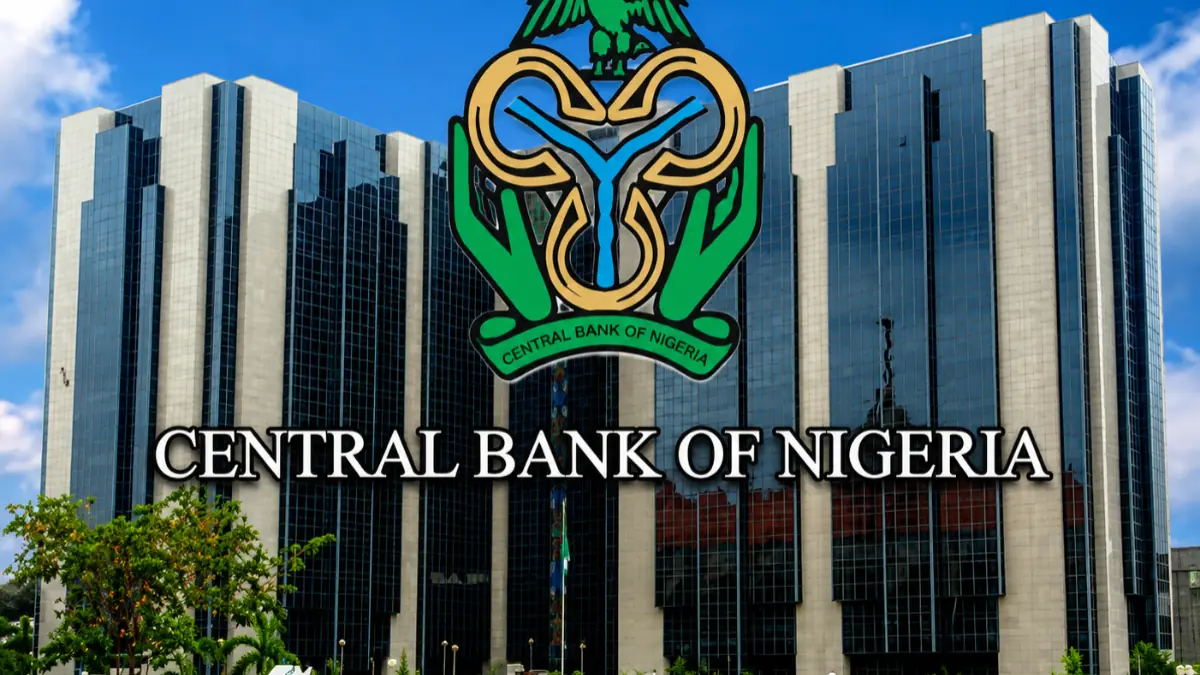
CBN Begins September MPC Meeting Amid Easing Inflation
Nigerian Stocks Surge N374bn After MPR Cut to 23%
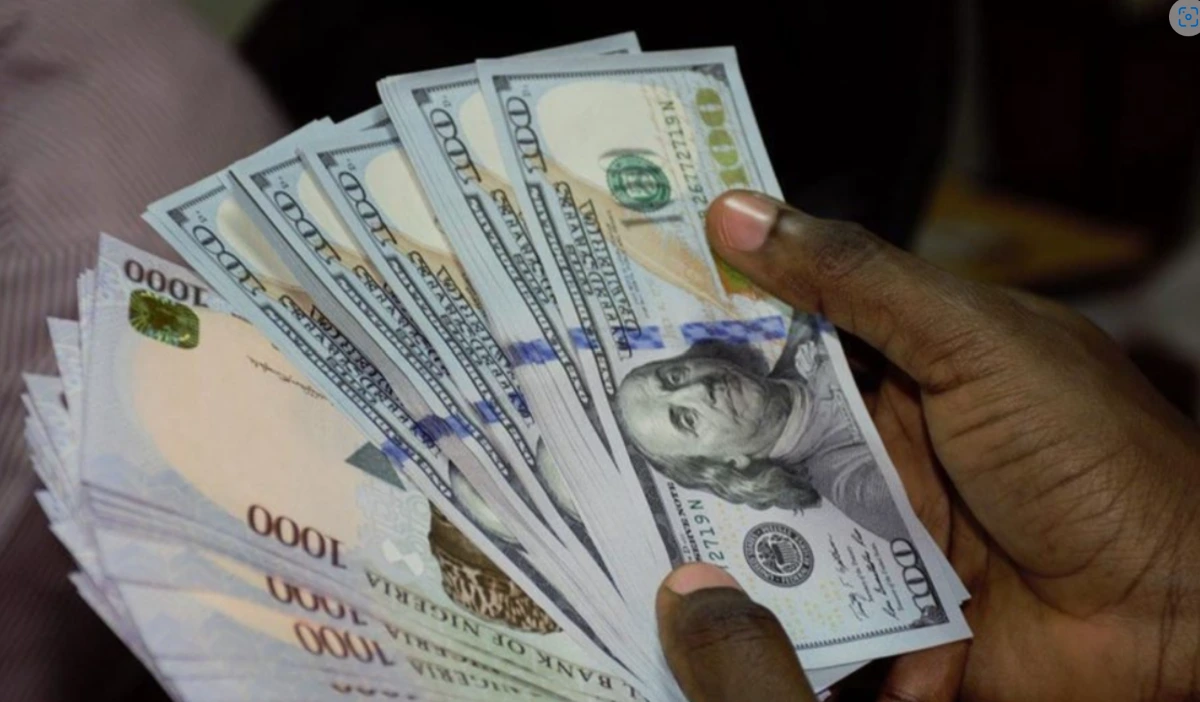
U.S. Fed's Rate Hike Impacts Nigerian Naira Outlook
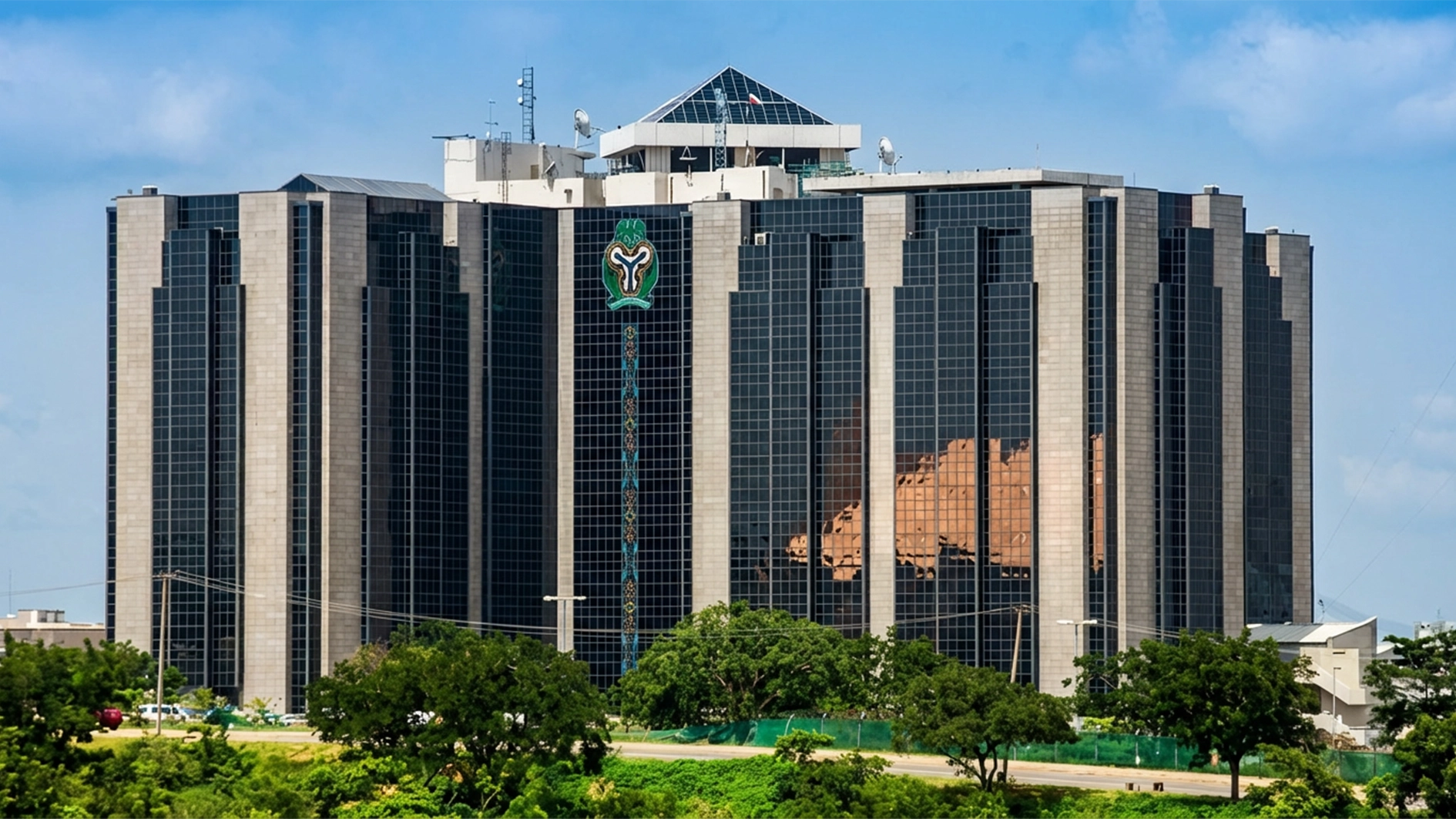
CBN Cuts Interest Rate to 23%, Impacts Ghana's Edge
Get Plus234Feed on messaging apps
Same headlines, delivered where you already scroll.


