

Tinubu's Administration Leverages World Bank Loans for Social Programs

On 16 July, President Bola Tinubu unveiled a series of World Bank-backed programs at the State House Banquet Hall in Abuja, aimed at addressing the economic reforms of his administration. The programs include livelihood support, food security, basic education, primary healthcare, and governance improvements, reflecting a shift towards concessional financing to extend social spending beyond federal budget limits.
Key components include $500 million for the Nigeria Community Action for Resilience and Economic Stimulus (NG-CARES), $300 million for the Solutions for the Internally Displaced and Host Communities (SOLID), and various Human Capital Opportunities for Prosperity and Equity (HOPE) programs. The total fresh financing package is estimated at $2.42 billion, which encompasses $500 million for NG-CARES, $300 million for SOLID, and additional funds for governance, healthcare, and education.
This approach aims to provide long-term, cheaper development financing while raising concerns about the sustainability of services funded by borrowed money.
Plus234Feed summary based on reporting from Punch Newspapers. Read the original report below.
Read full article
Continue on Punch Newspapers
Enjoy this article?
Get the weekly Nigerian roundup — top stories, NPFL, naira. One email, Sunday morning.
Related Stories
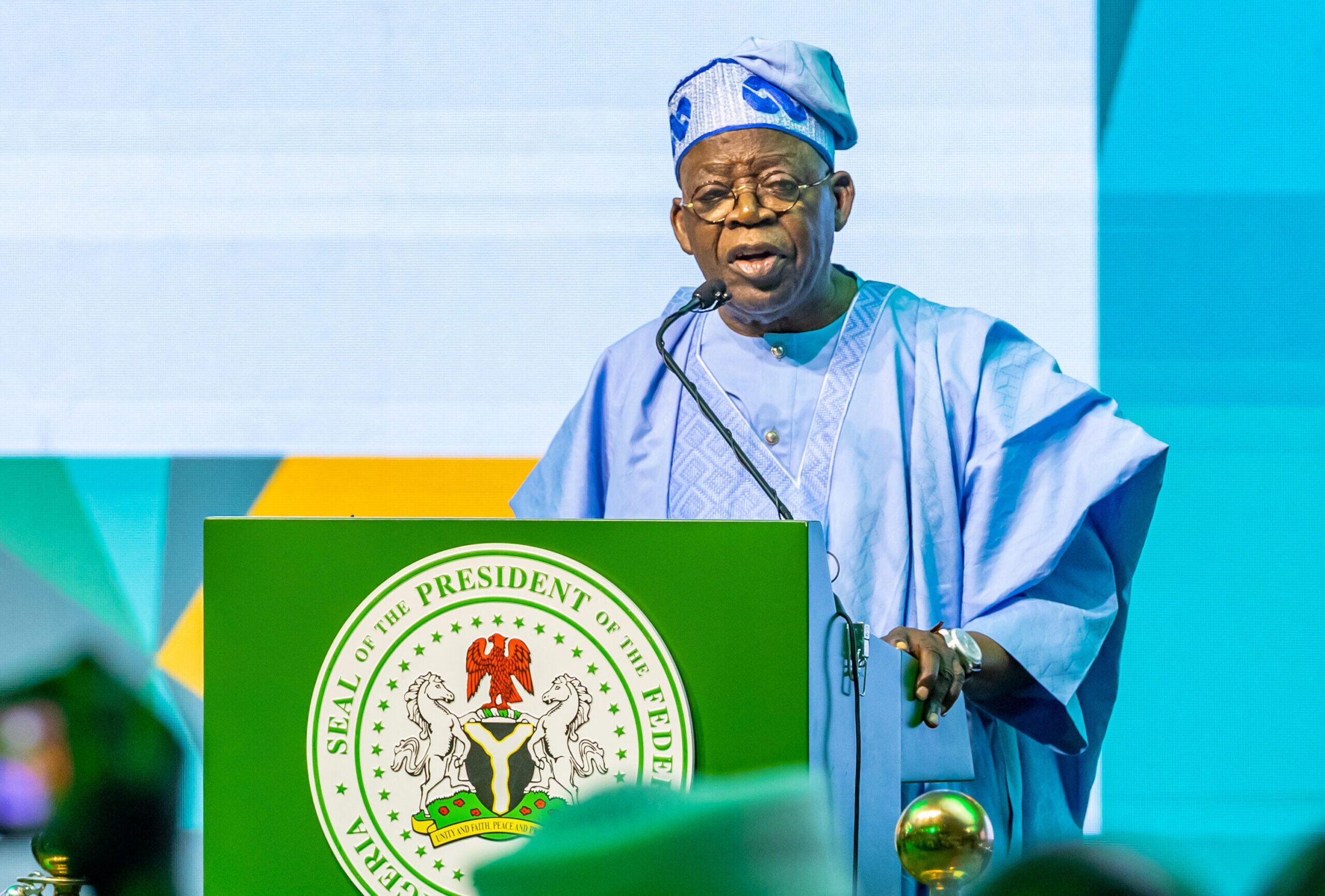
Tinubu Launches $3.05bn World Bank Program in Nigeria
Tinubu's $750M World Bank Loan Linked to New Taxes

Tinubu Revives Awolowo's Governance Model for Nigeria
Tinubu Revives Awolowo's Model for Education and Health

Nigeria Secures $11.4bn World Bank Loans Under Tinubu
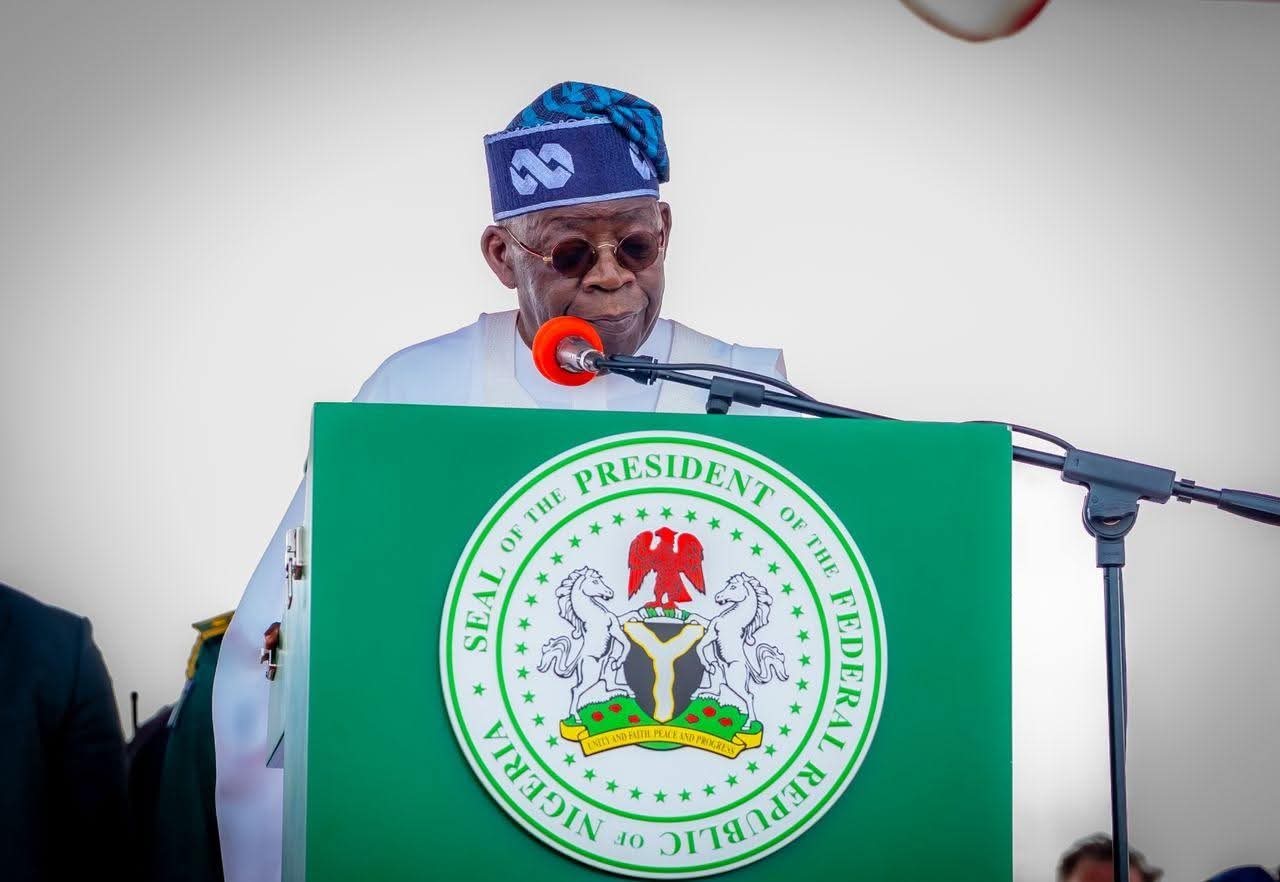
Tinubu Launches $3.05bn Social Protection Program
Get Plus234Feed on messaging apps
Same headlines, delivered where you already scroll.


