

Experts Critique Nigeria's CNG Policy on Transport Costs

Experts have expressed concerns that the Nigerian government's compressed natural gas (CNG) policy is ineffective in addressing the high cost of transport fares. President Bola Ahmed Tinubu inaugurated the CNG initiative to subsidize costs for commercial transport operators following the removal of fuel subsidies earlier in the year.
While CNG is significantly cheaper than petrol, with costs reduced by 40-70%, the high conversion costs (between N1 million and N1.5 million) deter many taxi drivers from adopting it. Eric Igulla, an economic expert, noted that the lack of infrastructure, such as CNG filling stations, and technical skills further complicate the situation.
Currently, only 2% of vehicles use CNG, and transport fares have risen by 38.63% year-on-year. The National Bureau of Statistics reported an average fare increase from N1,032.46 in May 2025 to N1,431.25 in May 2026.
Emmanuel Ukar, a transport expert, highlighted the challenges in identifying CNG vehicles, while the government aims to introduce one million CNG-powered vehicles by 2027.
Plus234Feed summary based on reporting from Nigerian Tribune. Read the original report below.
Read full article
Continue on Nigerian Tribune
Enjoy this article?
Get the weekly Nigerian roundup — top stories, NPFL, naira. One email, Sunday morning.
Related Stories

Nigeria's CNG Transition Faces Major Operational Hurdles
FG Urged to Enhance Gas Safety Regulations Amid CNG Growth
Nigeria's CNG Initiative Sees $2B Investment, 300 Centres
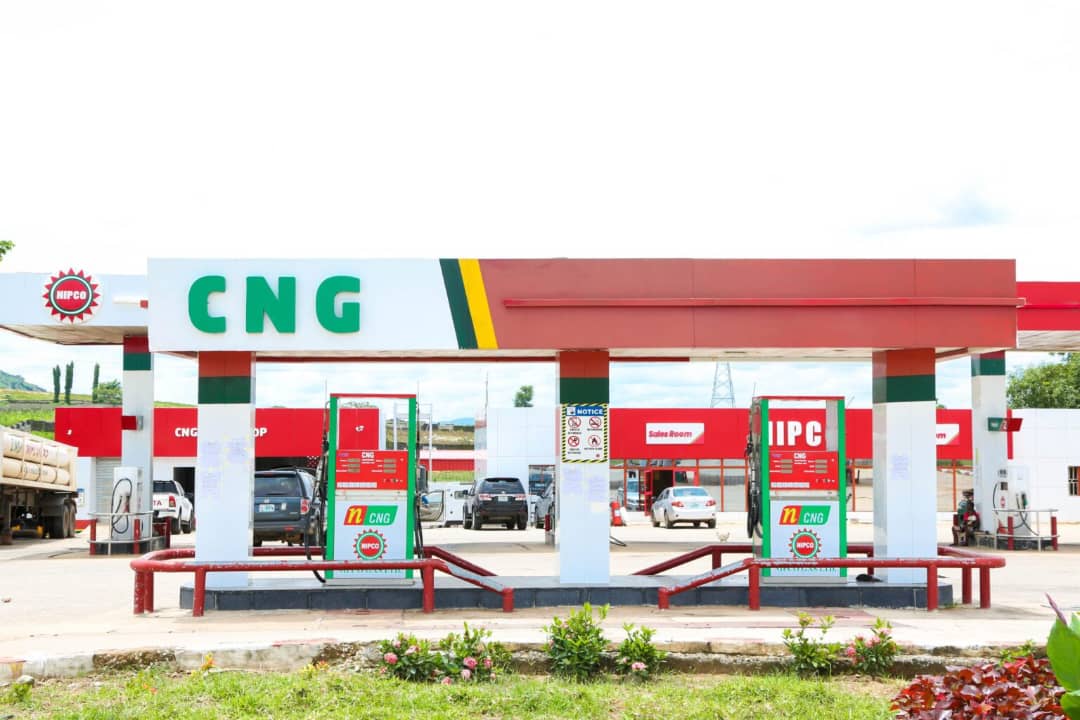
Nigeria Targets 2,322 CNG Stations by 2027
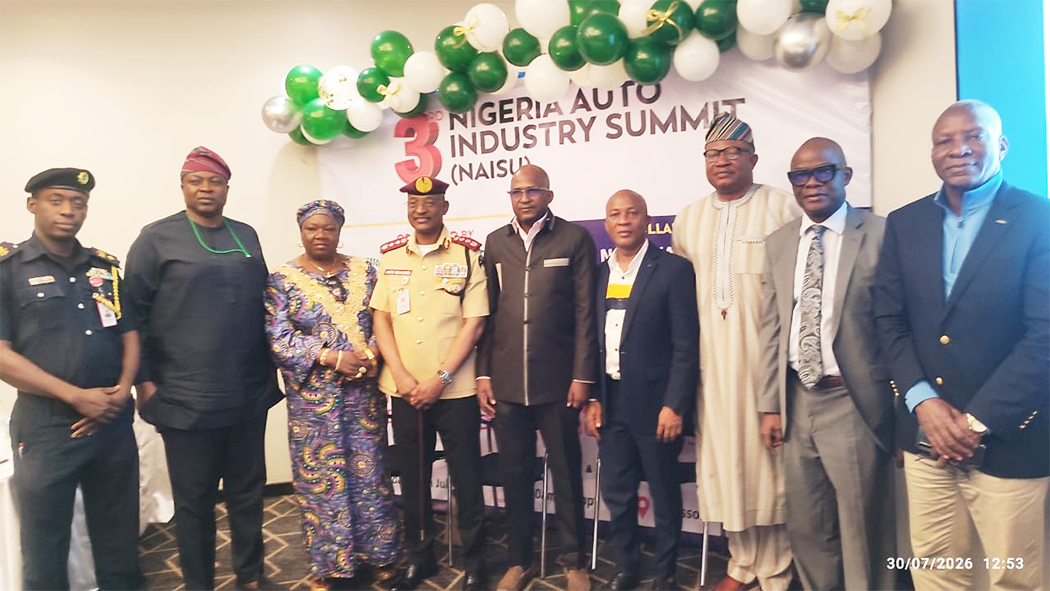
Nigeria Commits to CNG and EV Expansion for Clean Mobility

FG Launches 40 CNG Buses and 200 Tricycles in Kano
Get Plus234Feed on messaging apps
Same headlines, delivered where you already scroll.


