

Dangote Refinery: A Crucial Economic Battle for Nigeria
The conflict surrounding Dangote Refinery is indicative of broader economic challenges facing Nigeria. It is not merely a dispute over petrol imports but a reflection of the country's economic model and structural weaknesses.
The lawsuit and regulatory decisions regarding import licenses reveal the power dynamics between commercial interests and the state. The critical question is whether Nigeria, as Africa's largest oil producer, can develop a serious industrial economy capable of refining its own resources, thereby retaining value within its borders.
The article draws parallels with Nigeria's past industrial ambitions, such as the automotive industry in the 1970s and 1980s, which collapsed due to inconsistent policies and poor infrastructure. President Bola Ahmed Tinubu's administration is seen as pivotal in addressing these structural weaknesses, but the effectiveness of execution will determine if Nigeria can change its economic trajectory and avoid repeating historical failures.
Plus234Feed summary based on reporting from Premium Times. Read the original report below.
Read full article
Continue on Premium Times
Get the week in one email
Top stories, NPFL results, the naira — every Friday morning. Free, one email a week.
Related Stories
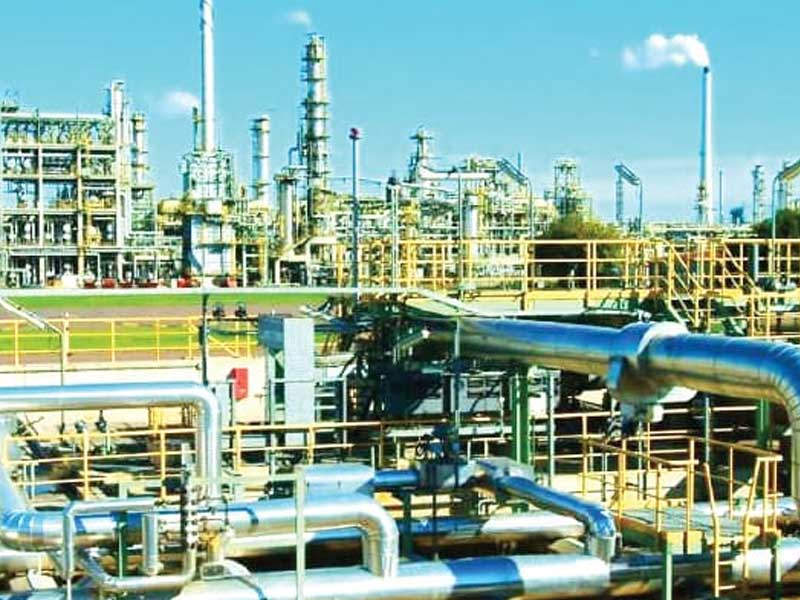
Dangote Refinery Dispute Highlights Nigeria's Economic Challenges
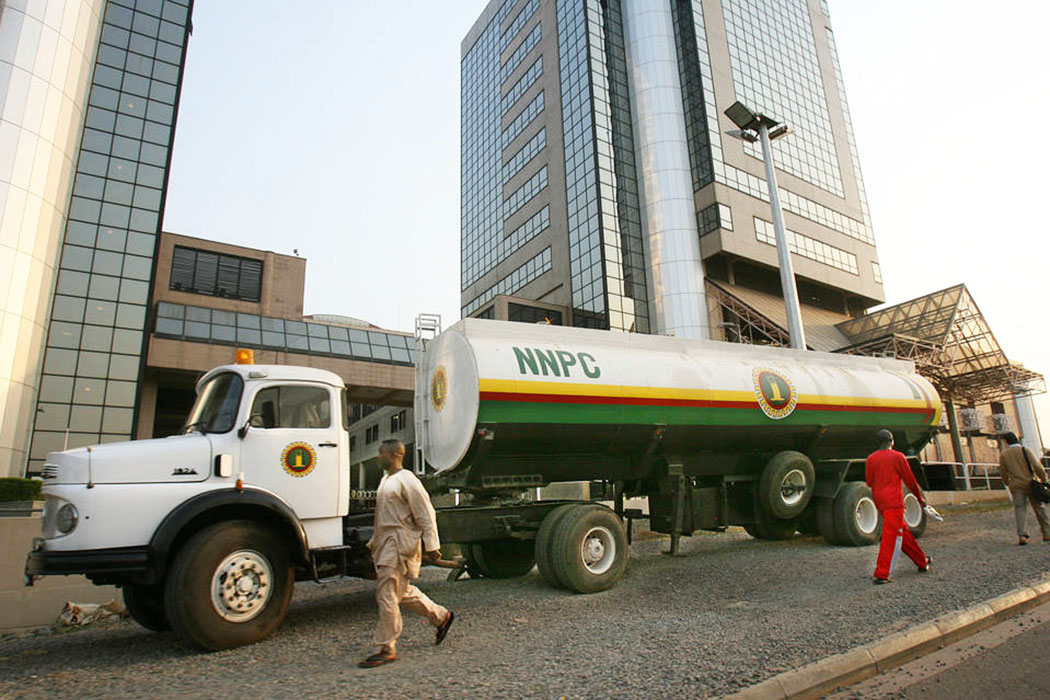
NNPCL and Dangote Clash Over Nigeria's Fuel Future
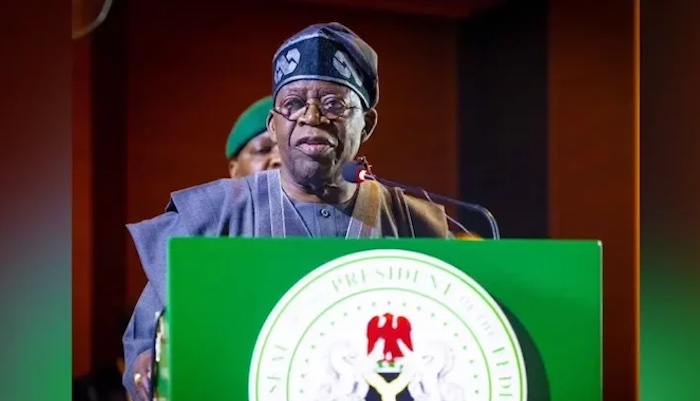
Tinubu Advocates for Dangote Refinery's Strategic Role
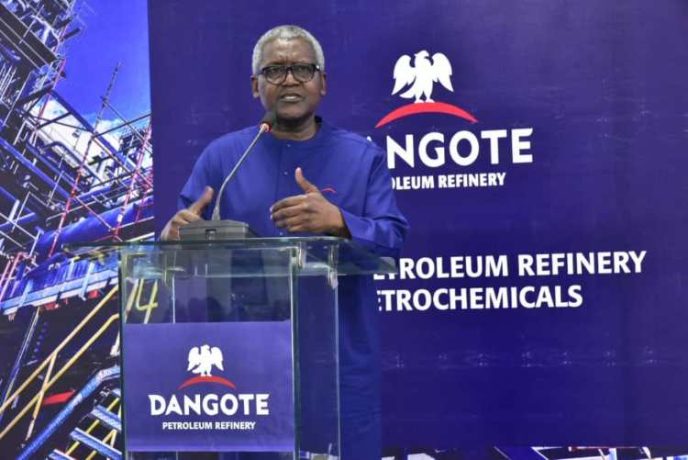
Dangote Rejects NNPC's Bid to Increase Refinery Stake
Nigeria's Crude Oil Import Surges Despite Export Dominance
Dangote Rejects NNPC's Bid to Increase Refinery Stake
Get Plus234Feed on messaging apps
Same headlines, delivered where you already scroll.


