

Dangote Refinery Dispute Highlights Nigeria's Economic Challenges

The conflict surrounding Dangote Refinery is indicative of broader economic challenges facing Nigeria, particularly regarding its oil production and refining capabilities. As Africa's largest oil producer, Nigeria struggles with a system that relies heavily on exporting crude oil while importing refined products.
This arrangement not only undermines local industry but also leads to significant wealth transfer abroad. The current situation is exacerbated by the Nigerian National Petroleum Company Limited's (NNPCL) limitations and the need for regulatory reforms.
President Bola Ahmed Tinubu's administration is tasked with addressing these structural weaknesses to prevent a repeat of historical failures in Nigeria's industrial journey. The article draws parallels to past industrial initiatives, such as the automotive industry in the 1970s and 1980s, which collapsed due to inconsistent policies and neglect.
The outcome of the Dangote Refinery dispute could significantly impact Nigeria's economic trajectory and its ability to sustain local industries.
Plus234Feed summary based on reporting from This Day. Read the original report below.
Read full article
Continue on This Day
Get the week in one email
Top stories, NPFL results, the naira — every Friday morning. Free, one email a week.
Related Stories
Dangote Refinery: A Crucial Economic Battle for Nigeria
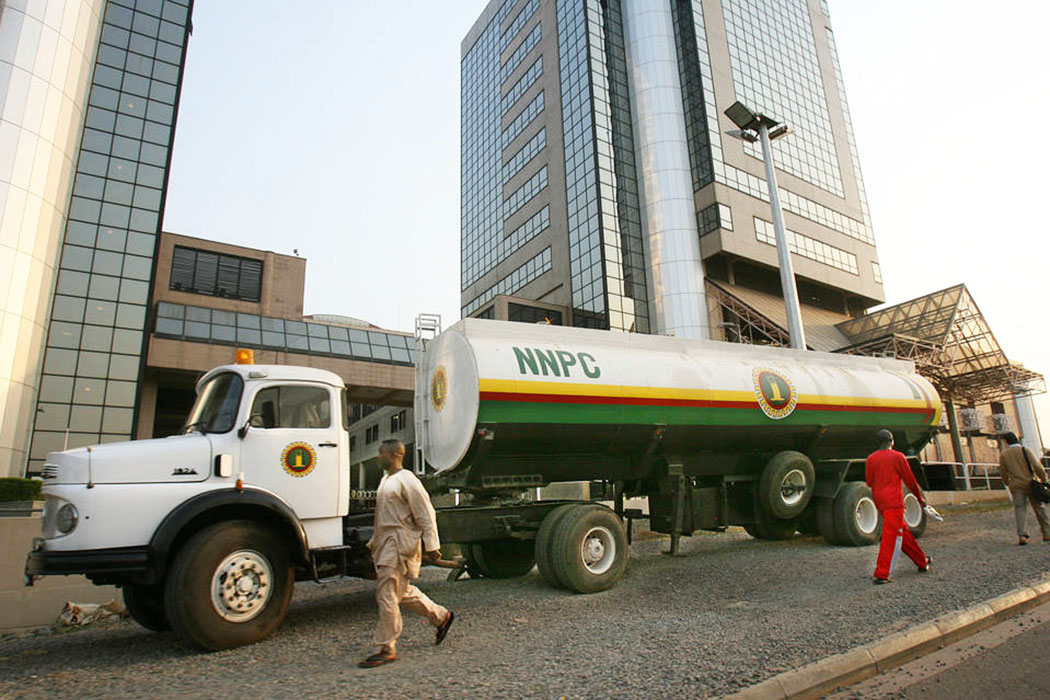
NNPCL and Dangote Clash Over Nigeria's Fuel Future
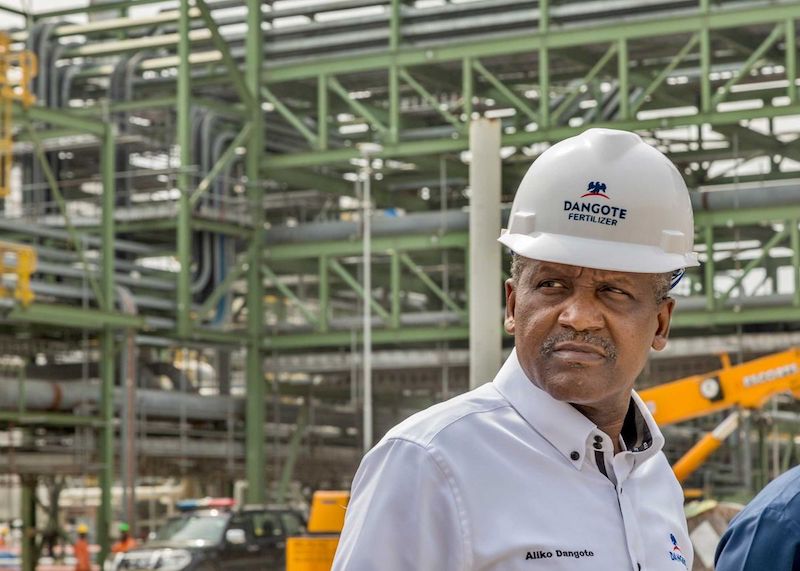
Defending the Legitimacy of Dangote Refinery Operations
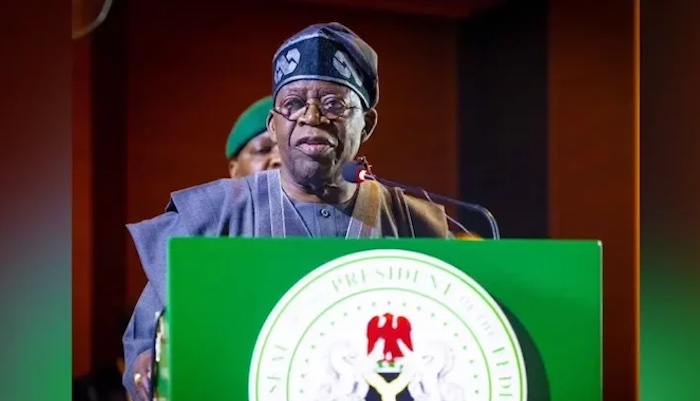
Tinubu Advocates for Dangote Refinery's Strategic Role
Nigeria's Crude Oil Import Surges Despite Export Dominance
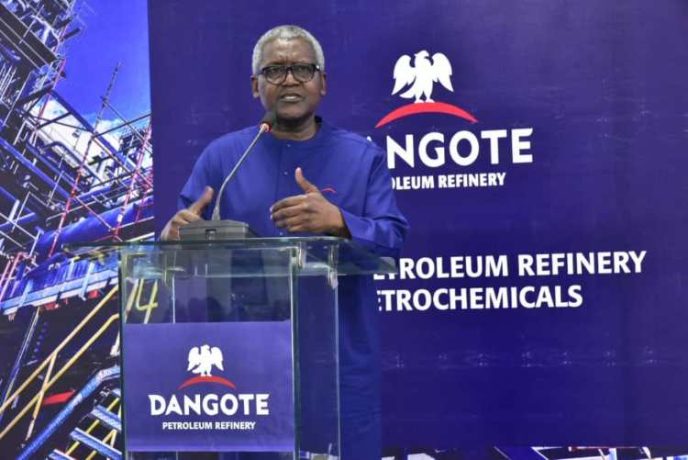
Dangote Rejects NNPC's Bid to Increase Refinery Stake
Get Plus234Feed on messaging apps
Same headlines, delivered where you already scroll.


