

Nigeria's Electoral Reform Bill Faces Major Resistance
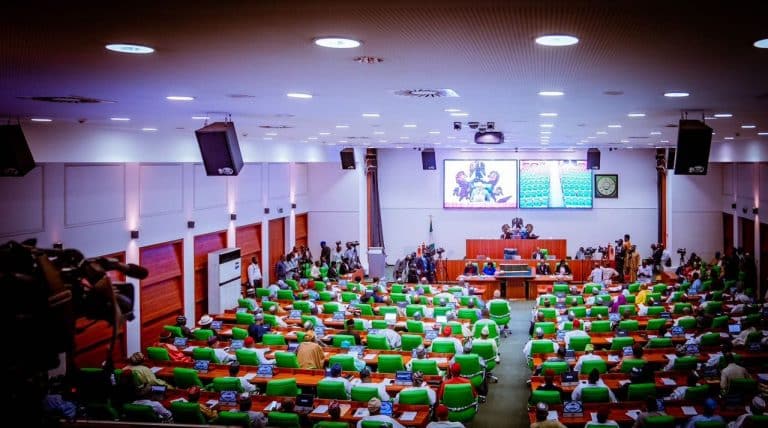
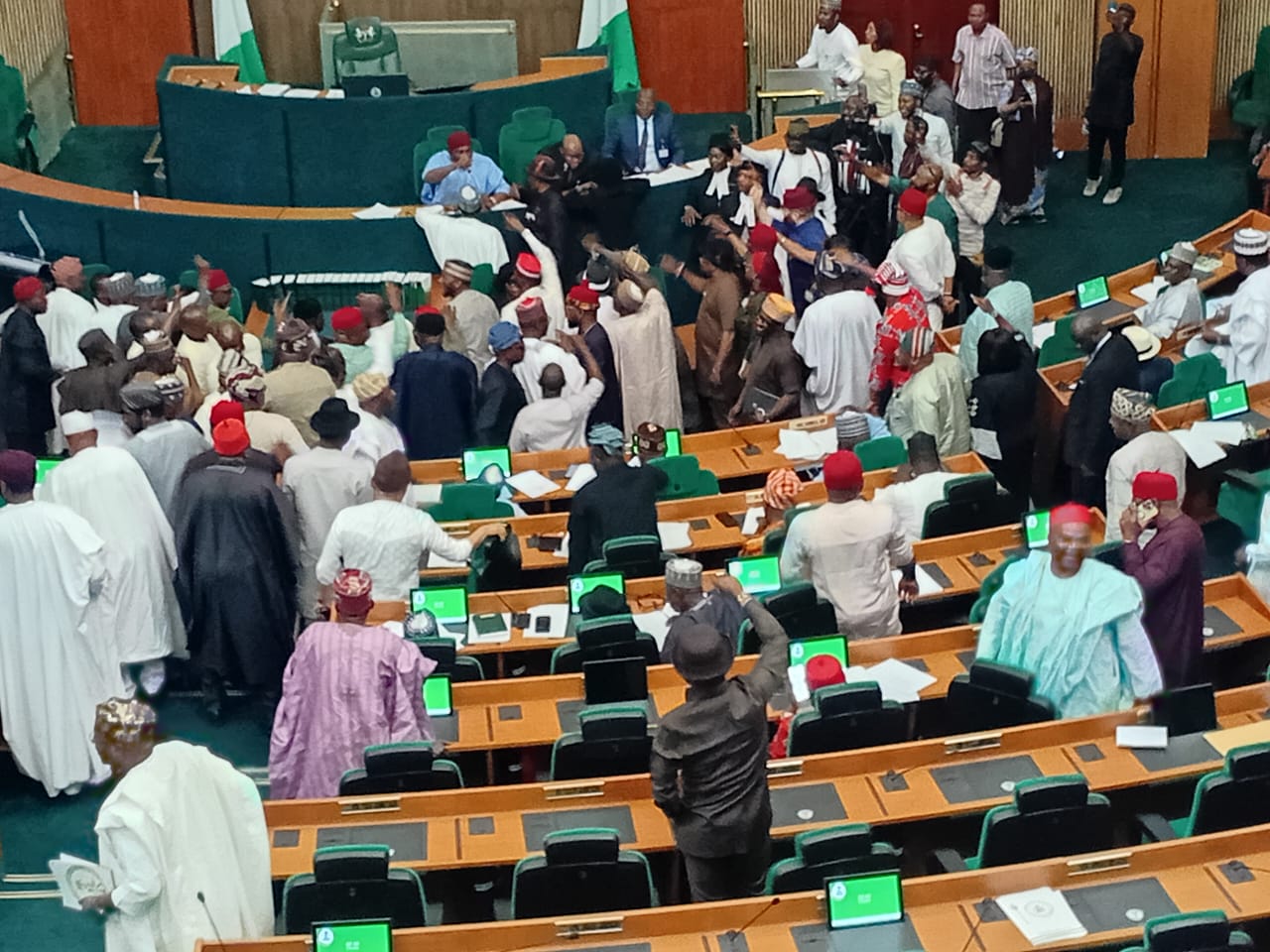
The resistance to Nigeria’s Electoral Act Amendment Bill 2025 has prompted critical questions about the transparency and control of electoral processes. Speaker Abba Tajudeen presented the bill for a voice vote, which was majorly rejected, indicating significant parliamentary disagreement.
The motion aimed to allow lawmakers to revisit provisions in light of emerging electoral reforms, particularly concerning the electronic transmission of results. The debate reflects a broader concern about the credibility of elections, especially with the 2027 elections approaching.
The resistance to revisiting the bill suggests a reluctance to embrace reforms that could reduce manipulation and enhance transparency. The article discusses the political implications of maintaining the status quo, where incumbents may benefit from existing arrangements.
The tension surrounding the electoral reform bill reveals the complexities of political power dynamics in Nigeria, where reform efforts often face significant hurdles despite widespread civil society support.
Plus234Feed summary based on reporting from The News Chronicle. Read the original report below.
Read full article
Continue on The News Chronicle
Get the week in one email
Top stories, NPFL results, the naira — every Friday morning. Free, one email a week.
Related Stories
Assessing Nigeria's 2026 Electoral Act Amendment Bill

Opposition Leaders Demand Amendments to Electoral Act

Nigeria Faces Democratic Crisis as Senate Passes Controversial Electoral Amendment Bill
Nigerian House of Representatives Denies Electoral Act Amendment Delay; Senate Faces Criticism

Omoyele Sowore Criticizes Electoral Act Amendment Bill for Lack of Transparency in Nigerian Elections
House of Reps Revisits Electoral Act Amid Protests
Get Plus234Feed on messaging apps
Same headlines, delivered where you already scroll.


