

Assessing Nigeria's 2026 Electoral Act Amendment Bill
The article evaluates the 2026 Electoral Act Amendment Bill and its implications for electoral integrity in Nigeria. It discusses the context of electoral reforms following the 2023 general elections, emphasizing significant concerns about the credibility of the electoral process, particularly regarding electronic transmission of results and the bimodal voter accreditation system.
The Independent National Electoral Commission's role in adjudicating disputes within constitutional timelines is highlighted, along with the ongoing public debate about transparency and the reliability of electoral technology. The article notes that civil society organizations and political parties have identified statutory ambiguities, especially concerning digital result transmission and dispute resolution.
The need for clearer drafts and stronger safeguards is underscored, as diverse stakeholders seek greater legal certainty. The amendment bill represents an opportunity to address identified gaps in future electoral cycles while cautioning against the introduction of new legal vulnerabilities.
The analysis emphasizes the importance of aligning electoral laws with established democratic principles and ensuring fair access to the electoral process.
Plus234Feed summary based on reporting from The Authority. Read the original report below.
Read full article
Continue on The Authority
Get the week in one email
Top stories, NPFL results, the naira — every Friday morning. Free, one email a week.
Related Stories
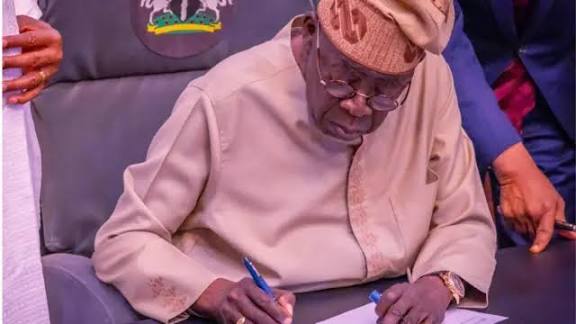
Tinubu Signs Electoral Act 2026 Amendment for Reforms
Major Changes in Nigeria's 2026 Electoral Act Explained

NASS Critique: Effectiveness and Electoral Act 2026
Nigeria's Electoral Reform Bill Faces Major Resistance

Nigerian Senate Urged to Pass Electoral Act Amendment Bill Promptly for 2027 Elections Success

Concerns Raised Over 2026 Electoral Act's Impact on 2027 Elections
Get Plus234Feed on messaging apps
Same headlines, delivered where you already scroll.


