

World Bank Reports Decline in Nigeria's Education Spending

The World Bank reported that Nigeria's 36 states experienced a 93% increase in real revenues between 2023 and 2025, yet the share of government expenditure allocated to education decreased from 14.9% in 2021 to 12.1% in 2025. This decline occurred despite significant fiscal resources available to state governments due to economic reforms by the Federal Government, including the removal of petrol subsidies and changes to the foreign exchange regime.
The report indicated that while aggregate state revenues rose by approximately 93% in real terms, total expenditure increased by 92%. The World Bank attributed the revenue growth to several factors, including exchange-rate reforms and improved Value Added Tax collections.
Despite the increased resources, education's budget share declined, while health expenditure remained stable at around 7%. The report also noted a substantial rise in capital expenditure, which accounted for 61% of total state spending, with a focus on infrastructure projects.
Mathew Verghis, the World Bank Country Director for Nigeria, emphasized the need for improved spending efficiency to benefit citizens.
Plus234Feed summary based on reporting from The Will. Read the original report below.
Read full article
Continue on The Will
Get the week in one email
Top stories, NPFL results, the naira — every Friday morning. Free, one email a week.
Related Stories
World Bank Reports 93% Revenue Growth in Nigerian States

World Bank Calls for Job Creation Focus in Nigeria
World Bank Upgrades Nigeria's Growth Forecast to 4.3%
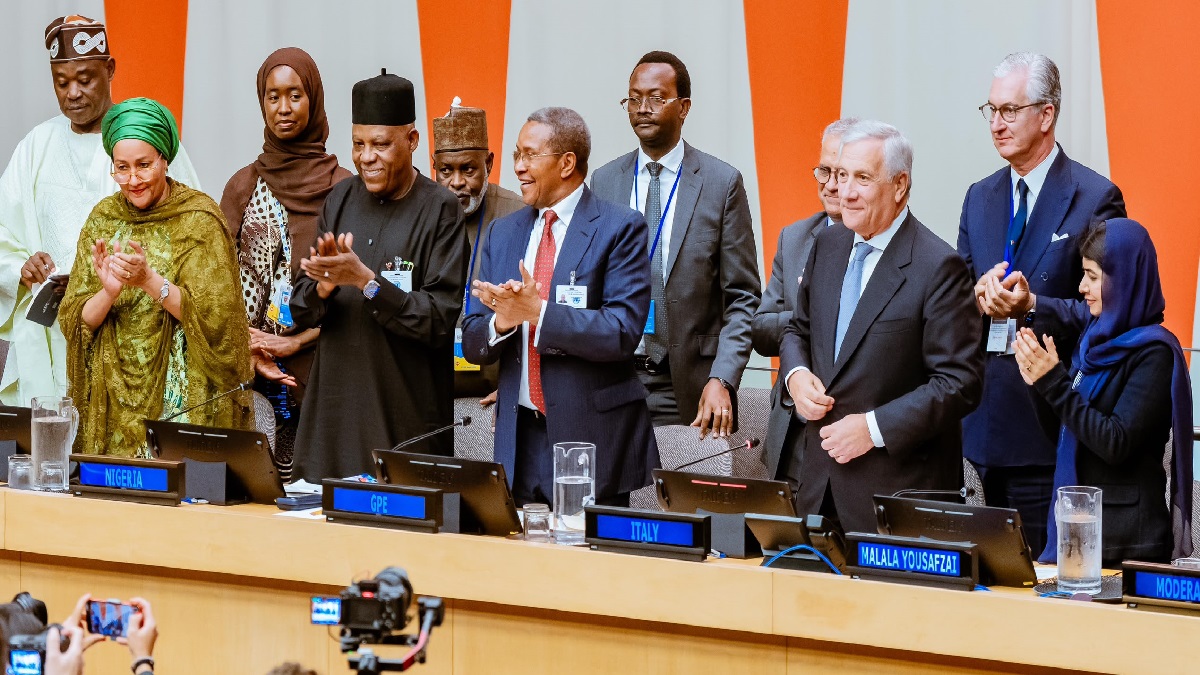
Nigeria and Italy Secure $3.5bn for Global Education Efforts

Nigeria's Oil Revenue May Plunge Over 60% by 2030
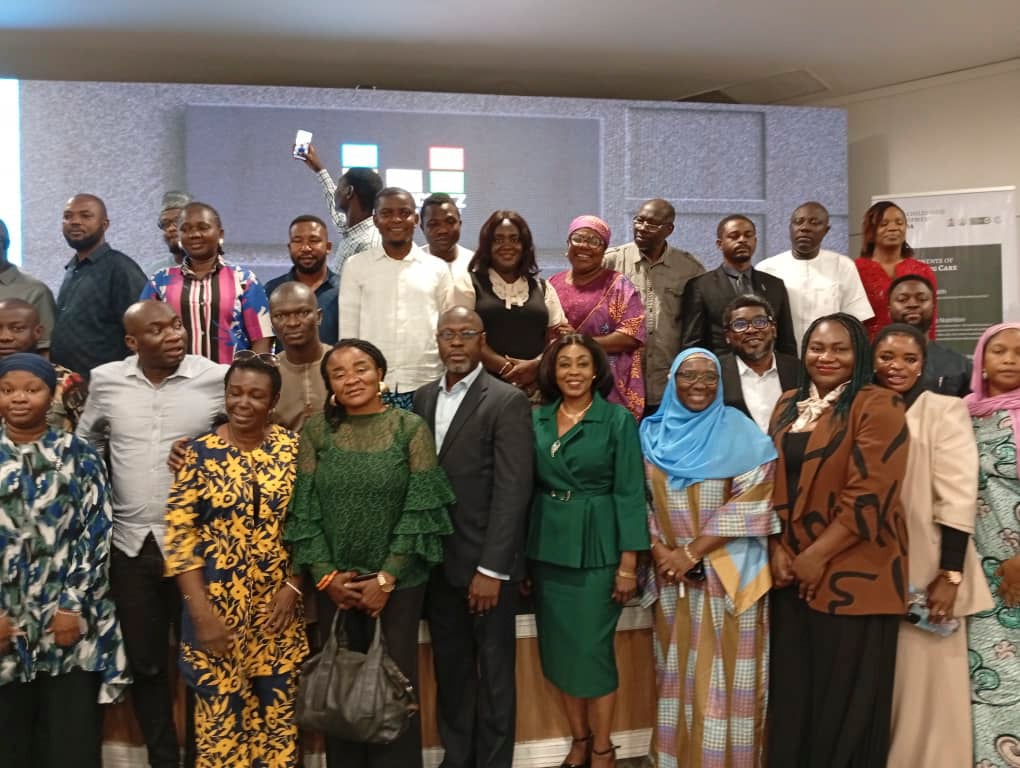
World Bank Calls for Action on Nigeria's Early Childhood Development
Get Plus234Feed on messaging apps
Same headlines, delivered where you already scroll.


