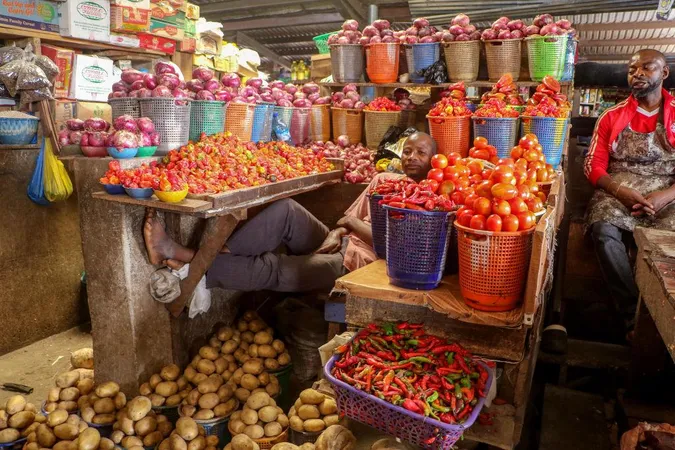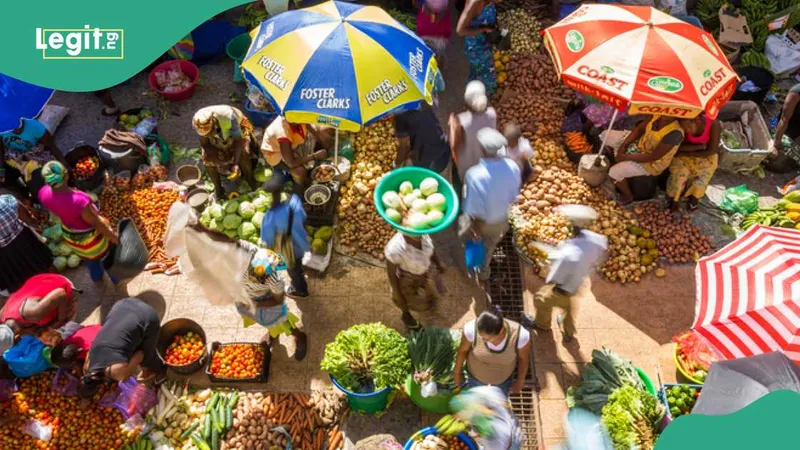
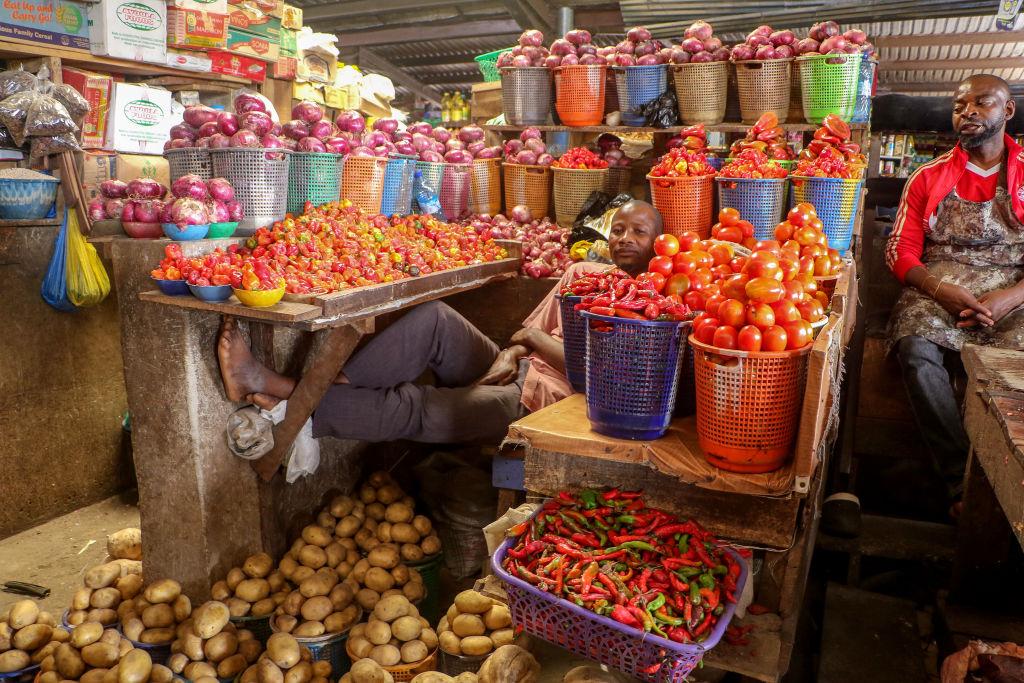
Despite a decline in Nigeria's headline inflation rate to 14.63% in September 2026, high food prices and transportation costs persist, impacting households. Analysts attribute this to structural weaknesses in agriculture and rising energy costs.


Despite a decline in Nigeria's headline inflation rate to 14.63% in September 2026, high food prices and transportation costs persist, impacting households. Analysts attribute this to structural weaknesses in agriculture and rising energy costs.

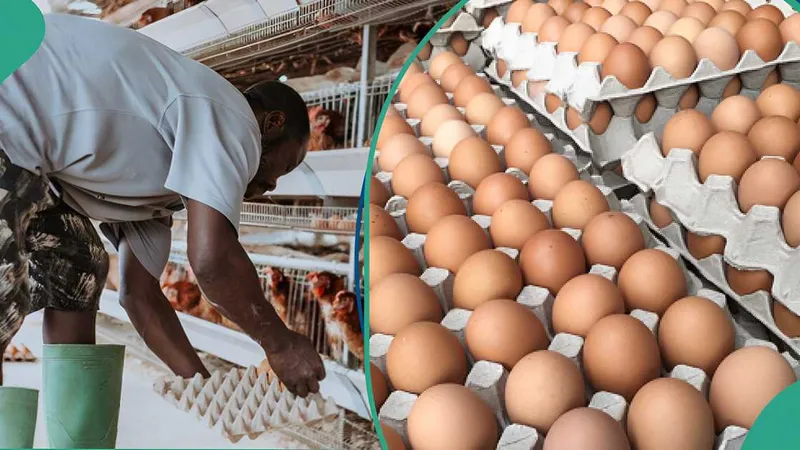
Egg prices in Nigeria are beginning to decline after months of increases, providing some relief to households. However, significant price variations exist across states, with the National Bureau of Statistics reporting a 1.55% decline in food inflation in September 2026.

In September 2026, the National Bureau of Statistics reported significant declines in food inflation in Kano, Bauchi, and Adamawa, with Adamawa seeing the steepest drop at -13.84%. Conversely, Imo, Ondo, and Oyo faced the highest inflation rates.


Nigeria Customs and Afreximbank Enhance Border Trade
Trending: Nigeria Benin Cameroon Border Modernisation
Nigeria, Benin, Cameroon Collaborate with Afreximbank on Trade
Trending: Nigeria Benin Cameroon Border Modernisation

Nigeria Customs Service Leads Border Modernization Efforts
Trending: Nigeria Benin Cameroon Border Modernisation

Manchester United's Winless Streak Reaches Six Matches
Trending: Manchester United Winless Streak

Manchester United Held to Draw by Leeds, Extending Winless Streak
Trending: Manchester United Winless Streak

Manchester United's Michael Carrick faces pressure after draw
Trending: Manchester United Winless Streak