

Challenges Young Nigerians Face in Home Building 2026

In 2026, many young Nigerians struggle to build houses due to various economic challenges. A report indicates that 65% of Nigerians earn less than ₦100,000 a month or have no income.
Additionally, only 57% possess a financial safety net, a decline from 64% the previous year. The cost of essential building materials has surged, with cement prices exceeding ₦10,000, while steel, sand, and labor costs have also risen.
Young Nigerians are increasingly burdened by essential living expenses such as food, transport, and rent, which consume a significant portion of their incomes. This financial strain makes it difficult to save for construction projects, with many individuals unable to set aside ₦200,000 or ₦500,000 monthly due to unexpected increases in living costs.
The situation is exacerbated by the prevalence of informal and low-paying jobs, leaving many underemployed and with little disposable income after covering basic expenses.
Plus234Feed summary based on reporting from Pulse. Read the original report below.
Read full article
Continue on Pulse
Enjoy this article?
Get the weekly Nigerian roundup — top stories, NPFL, naira. One email, Sunday morning.
Related Stories
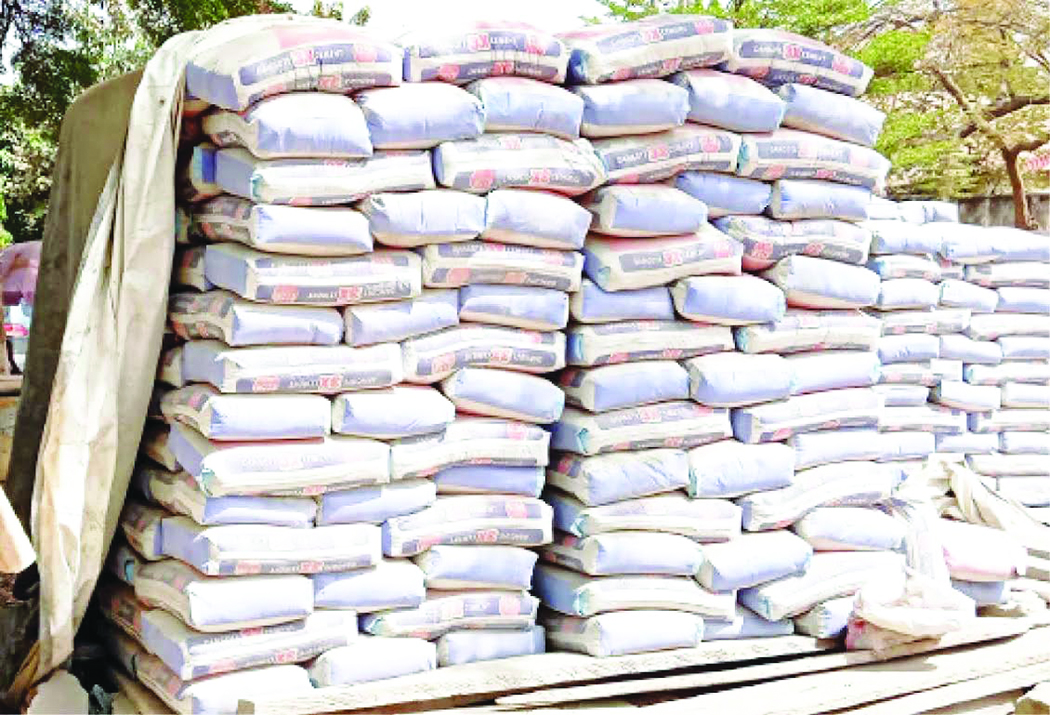
Cement Price Surge Deepens Nigeria's Housing Crisis

Cost of Building a 2-Bedroom House in Nigeria 2026
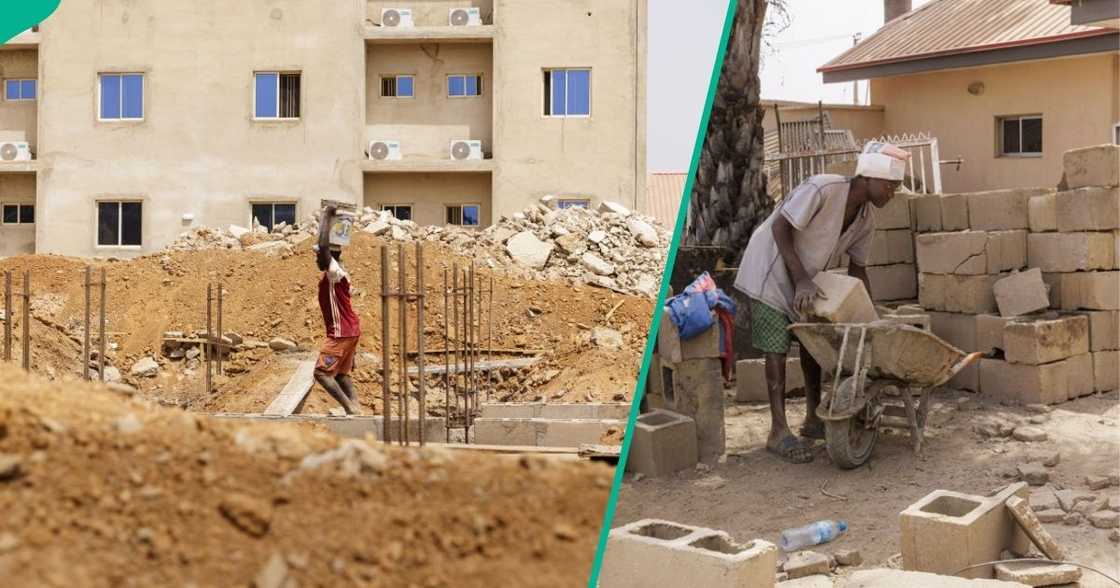
Cost to Build a Single-Storey House in Nigeria 2026

Rising Rent Inflation in Nigeria: A Housing Crisis
Rising Cement Costs Drive Up Rent in Nigeria's Housing Crisis

Rising Costs Hinder Affordable Housing in Nigeria
Get Plus234Feed on messaging apps
Same headlines, delivered where you already scroll.


