

Nigeria's New Tax Laws: Key Changes and Implications

Nigeria is set to implement new tax laws on January 1, 2026, as part of a significant tax overhaul aimed at increasing revenue. The new regulations will establish a tax-free income threshold of 800,000 Naira per year, equating to 66,600 Naira monthly.
This change is viewed as insufficient relief, particularly given the rising cost of living, where 66,000 Naira barely covers basic necessities. Additionally, small businesses with a turnover of 100 million Naira will be exempt from company income tax for the first time.
The government plans to introduce a 20% annual rent tax deduction cap at 500,000 Naira, despite ongoing housing affordability issues. The new laws also target cryptocurrency traders and digital asset gains, expanding the tax net.
However, there are concerns that the government will not deliver on promised infrastructure improvements, leaving citizens to navigate a challenging economic landscape without adequate support.
Plus234Feed summary based on reporting from Federal Character. Read the original report below.
Read full article
Continue on Federal Character
Get the week in one email
Top stories, NPFL results, the naira — every Friday morning. Free, one email a week.
Related Stories
Nigeria's Tax Reform: Pioneering AI-Native System by 2026
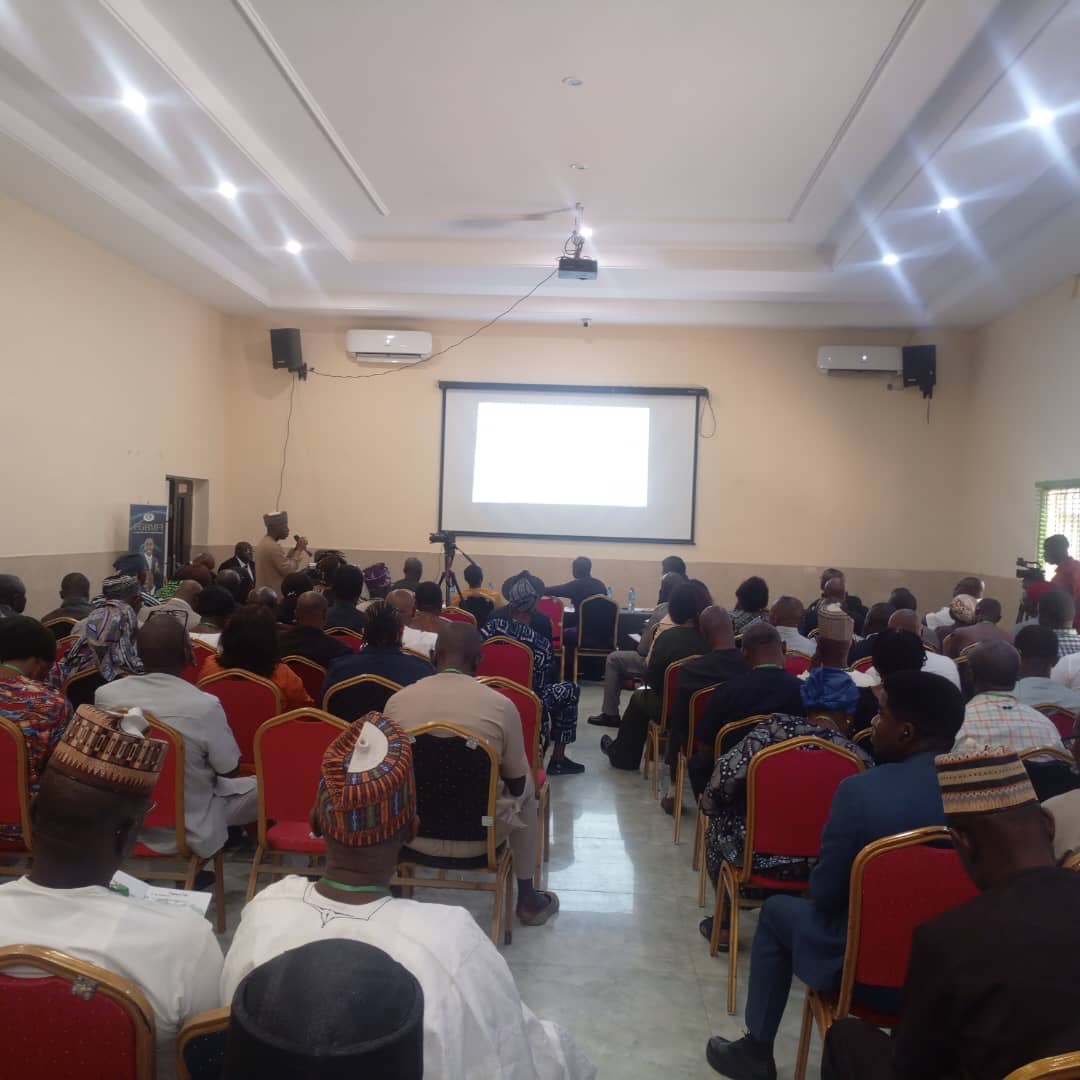
Stakeholders Advocate for Voluntary Tax Compliance in Nigeria
Nigeria Introduces New Tax Regime for Workers and SMEs
Nigeria's New Tax Law Set for January 2026 Implementation

Tinubu Unveils New Tax Reform to Combat Poverty

Central Bank of Nigeria Lowers Monetary Policy Rate to 23%
Get Plus234Feed on messaging apps
Same headlines, delivered where you already scroll.


