

BORROWING COST FOR BUSINESSESThe interest rate is excessive

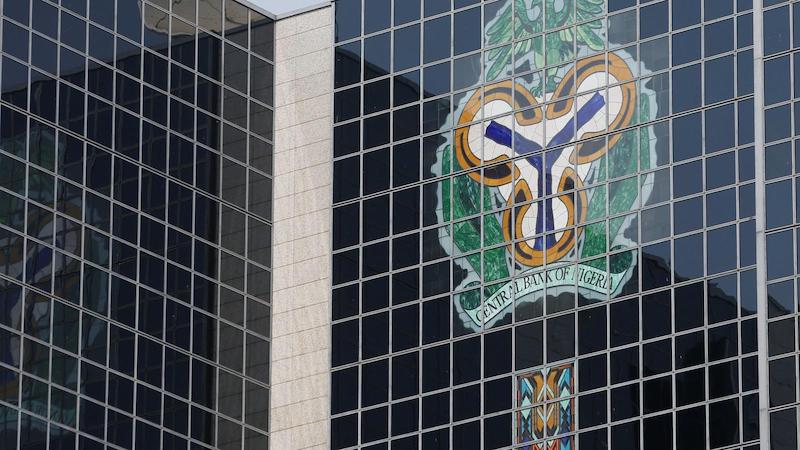
The borrowing cost for businesses in Nigeria is a major concern, with high interest rates being identified as a severe constraint affecting business operations. According to a recent report by the Central Bank of Nigeria (CBN), the high interest rate came out on top as a challenge, overtaking issues like insecurity and poor electricity supply.
The interbank lending rate in Nigeria surged to a high of 48% in January 2025, reflecting the CBN's aggressive monetary tightening measures. Despite this, there seems to be no solution in sight, as the Monetary Policy Committee (MPC) has retained the Monetary Policy Rate (MPR) at 14%, the rate at which the apex bank lends to commercial banks.
This high borrowing cost is significantly higher than in other leading African economies like South Africa, Egypt, and Algeria. The ripple effects of high borrowing costs include reduced profitability, limited expansion, and employment freeze.
It is imperative for the Nigerian monetary authority to revisit its monetary policy tools to ease lending costs and.
Plus234Feed summary based on reporting from This Day. Read the original report below.
Read full article
Continue on This Day
Get the week in one email
Top stories, NPFL results, the naira — every Friday morning. Free, one email a week.
Related Stories
Nigerian Businesses Struggle with 36% Interest Rates, Economic Pressures
High interest rates: Nigerian corporates are paying more to borrow less
Amid 27.50% MPR, Economic Challenges, Prime Lending Rate Rise to 18.19%
Nigeria and Others Face Rising Borrowing Costs Amid Policy Weaknesses, Moody's Report Reveals
Nigeria's Maximum Lending Rate Hits One-Year Low Amid Economic Stability

CBN Cuts Interest Rate to 27% as Inflation Eases - Economic Update
Get Plus234Feed on messaging apps
Same headlines, delivered where you already scroll.


