

Eradicating Mosquitoes: Health Risks and Ecological Impact

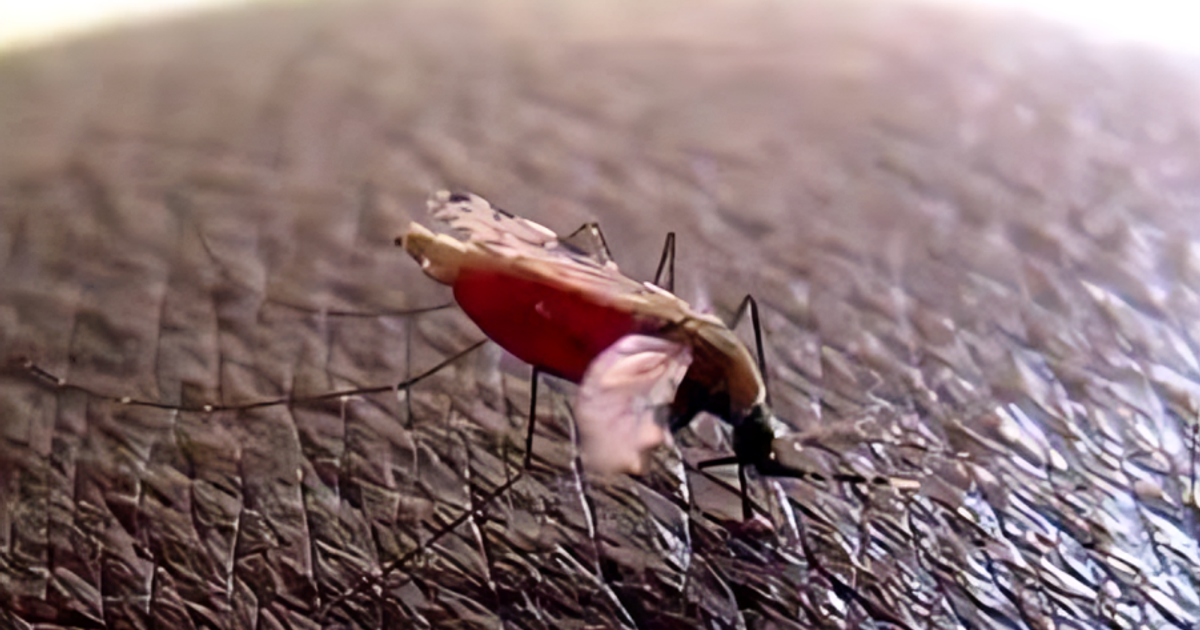
The article examines the possibility of eradicating certain mosquito species to combat diseases responsible for approximately 760,000 deaths annually, including malaria, dengue, and Zika. Hilari Ranson from the Liverpool School of Tropical Medicine and Dan Peach from the University of Georgia emphasize that only five out of 3,500 mosquito species significantly affect human health.
Current efforts include gene drive technology aimed at making female malaria-carrying Anopheles gambiae mosquitoes infertile, with trials planned for 2030. However, a setback occurred in Burkina Faso when the military-led government halted testing.
Scott O'Neill, founder of the World Mosquito Program, noted a successful reduction of dengue cases in Brazil through the release of Wolbachia-infected mosquitoes. Ranson advocates for a holistic approach to disease management, emphasizing the need for better access to treatment and vaccines, especially as foreign aid cuts threaten progress against mosquito-borne diseases.
Plus234Feed summary based on reporting from Punch Newspapers. Read the original report below.
Read full article
Continue on Punch Newspapers
Get the week in one email
Top stories, NPFL results, the naira — every Friday morning. Free, one email a week.
Related Stories
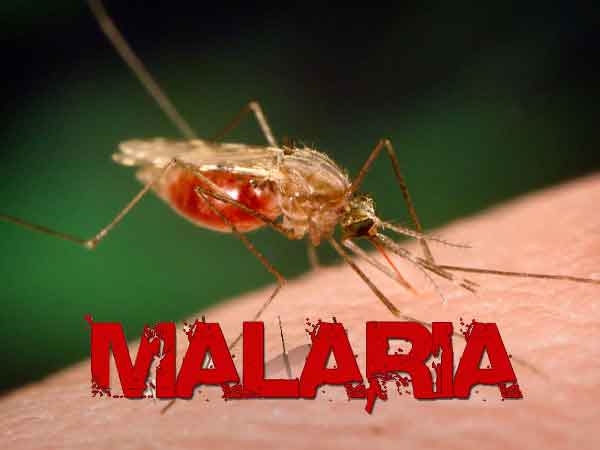
Scientists Explore Gene Drive Technology to Combat Malaria
Experts Stress Adaptive Strategies for Malaria Control
Google Plans Release of 32 Million Mosquitoes in U.S.
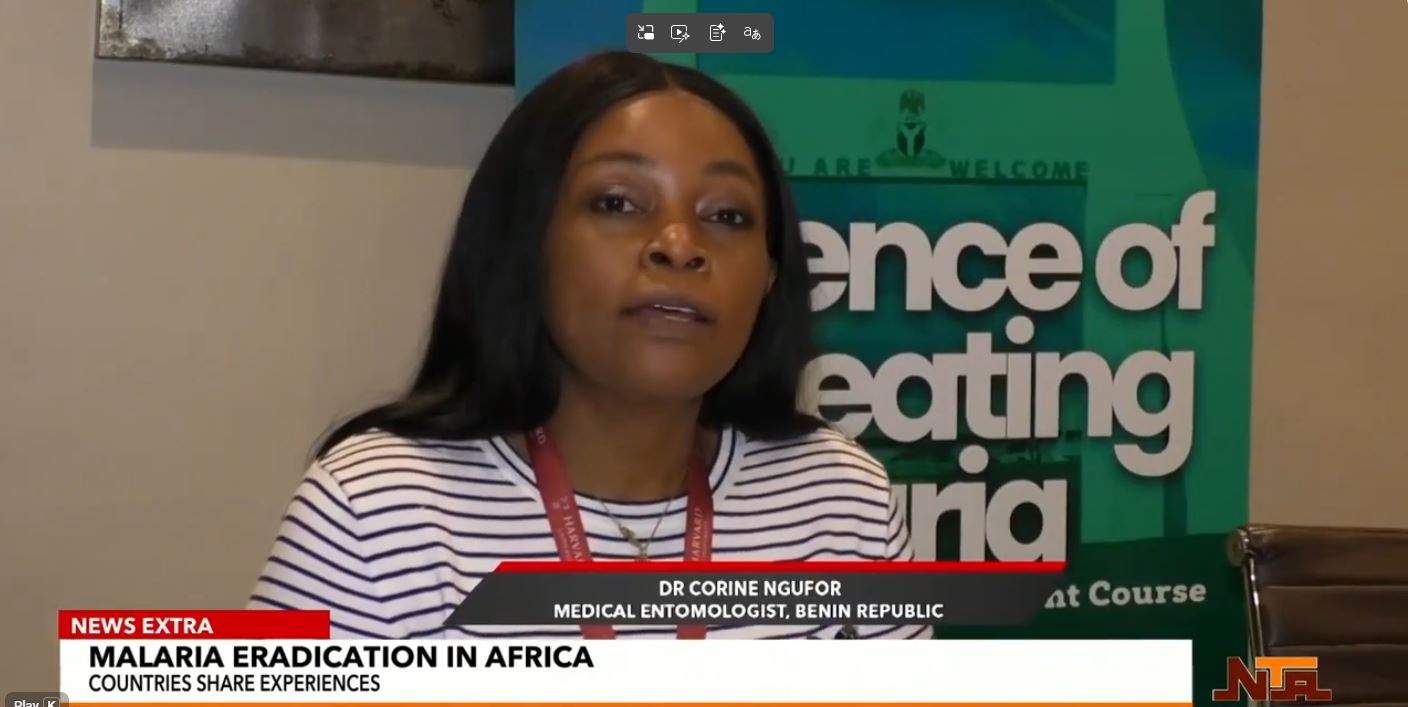
African Nations Unite to Combat Malaria with Innovation
Scientists Uncover Why Mosquitoes Prefer Certain People

Nigerian Youth Mobilized for Malaria Eradication Initiative
Get Plus234Feed on messaging apps
Same headlines, delivered where you already scroll.


